
No products in the cart.

Types of dental fillings: choosing a restoration and caring for filled teeth

In brief:
Choosing a dental filling depends on several factors: the size of the cavity, the location of the tooth, aesthetic preferences, budget and oral health. Materials such as amalgam, composite resin, glass ionomer cement and ceramics have different properties. Caring for filled teeth also matters if a restoration is to last and complications are to be avoided.
Why are dental fillings important?
A cavity needs to be filled not only for appearance, but also to restore chewing function and prevent further damage to the tooth and surrounding tissues. An unsuitable filling material may lead to leakage, recurrent decay, tooth fractures or a shorter lifespan for the restoration. Both the choice of material and subsequent care therefore matter.
Types of filling materials
1. Amalgam fillings
Amalgam is a traditional metal-based material that has been used for many years. It is durable and relatively inexpensive. Its silver-grey colour, however, makes it a less popular choice where appearance is a priority.
Advantages: good strength, suitability for back teeth and a lower cost.
Disadvantages: its colour and appearance, and the possibility of the material expanding.
2. Composite resin fillings
Composite resin is a common choice today. The filling can be matched to the colour of the tooth, and the resin is reinforced with ceramic fillers or nanoparticles.
Advantages: a natural appearance, precise restoration of the tooth’s shape and bonding to enamel and dentine.
Disadvantages: placement is technique-sensitive; the material may be less durable than some metals in very large cavities and is sensitive to moisture during treatment.
3. Glass ionomer and resin-modified glass ionomer cements (GIC and RMGIC)
These materials combine adhesion with fluoride release. They are often used in teeth subject to lower loads or in areas where protection against decay is particularly important.
Advantages: fluoride release, good adhesion to tooth tissues and less demanding placement conditions.
Disadvantages: lower mechanical strength, a less natural appearance than composites and limitations when used for large restorations.
4. Porcelain and ceramic inlays and onlays
These are more advanced options: indirect fillings or restorations made in a laboratory for larger cavities or where a high-quality aesthetic result is required.
Advantages: a very natural appearance, durability and resistance to staining.
Disadvantages: a higher cost and additional time for laboratory fabrication.
Explore more
Swipe to see more products ↔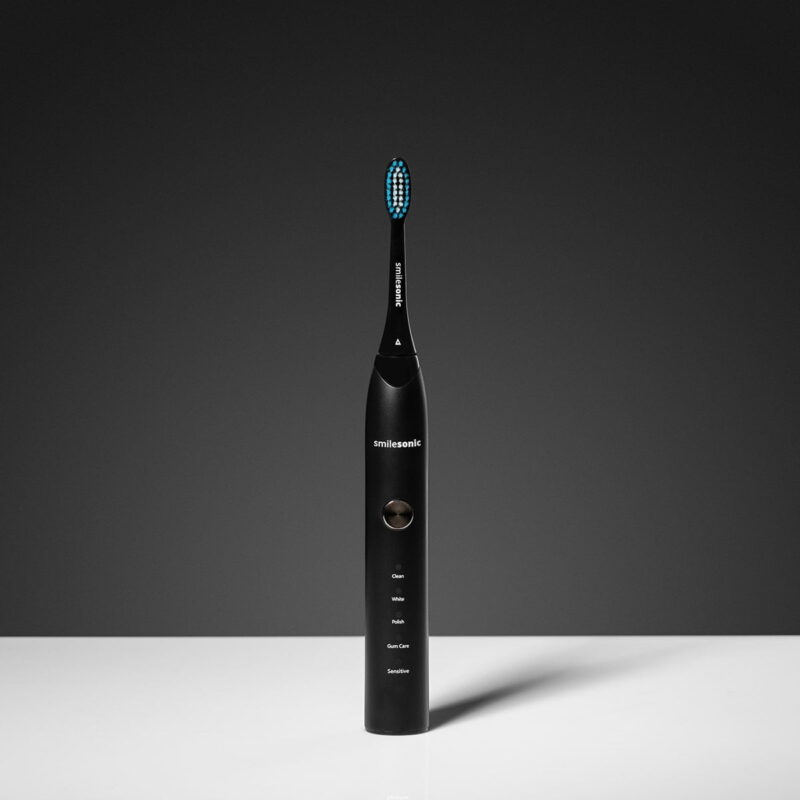


How is the right filling selected?
The following factors are worth considering:
- Cavity size and location: large cavities in molars may require materials with greater strength, such as amalgam or ceramics.
- Appearance: composites or ceramics are commonly considered for front teeth.
- Budget and patient preferences: some patients prioritise a lower cost, while others place greater emphasis on appearance.
- Oral conditions: extensive decay, moisture or difficult access can limit the choice of material.
- The long-term outlook: some materials offer greater durability and a lower likelihood of repeat treatment.
Caring for teeth with fillings
A filling means that a tooth has been damaged; it does not mean that all future problems have been ruled out. Good oral hygiene and regular dental check-ups remain important.
- Use a toothbrush with soft or medium bristles. Composite and ceramic restorations respond differently to minor damage than natural tooth tissue.
- Use dental floss or interdental brushes daily. The junction between the filling and tooth can be a place where bacteria accumulate.
- Avoid excessive force, such as biting hard objects. Even when a filling is strong, the tooth itself may be weakened.
- Visit your dentist regularly. Check-ups can identify small gaps or cracks before they become a more serious problem.
- Consider your diet. Acidic, sugary or staining foods and drinks can affect filling materials and the surrounding enamel.
An expert’s perspective
“Choosing the right filling material is only half the story. It is just as important for the patient to care for the filled tooth as they would a natural tooth. Every restored tooth works under its own particular conditions and needs thoughtful care,” says Karolina Gut, an enthusiast of healthy, attractive smiles and an expert at Denthelp.
Frequently asked questions
Does every filling need replacing after a few years?
Not necessarily. The lifespan of a filling depends on the material, the size of the cavity, its location and oral hygiene. If there are no cracks, leaks or decay around it, a filling may remain in use for many years.
Are composite fillings better than amalgam fillings only because of their colour?
Colour is only one factor. Composites offer a more natural appearance and bonding to dentine, while amalgam may offer advantages in very large cavities in molars because of its durability and cost. The choice of material should always be discussed with a dentist.
Do I need a special toothbrush for teeth with fillings?
A special toothbrush is not essential, but a good-quality toothbrush, such as a sonic or electric model, with a head suited to your oral needs is advisable. Correct technique and regular brushing matter more than having a specially labelled toothbrush.
Comments