
- Why must a toothbrush for a 3–5-year-old be different from an adult one?
- Ideal toothbrush features for a 3–5-year-old child
- Manual or sonic toothbrush – which one to choose?
- Example: Smilesonic KIDS – a sonic toothbrush designed for children
- Jak wspierać dziecko w nauce szczotkowania?
- Czego unikać?
- Podsumowanie
Between the ages of three and five, children enter a stage of intense development – both physical and psychological. Their smile is changing, a full set of baby teeth appears, and with it comes the need for proper oral hygiene. This is a time when habits are just being formed – and that’s exactly why choosing the right toothbrush is crucial. A poorly chosen one may discourage tooth brushing for years, while a well-chosen one can help build a healthy routine that will stay with the child for life.
Below you’ll find a practical guide to help you make the best decision and take care of your child’s smile effectively.
Why must a toothbrush for a 3–5-year-old be different from an adult one?
Preschool children have different needs than adults:
- their teeth are smaller and more delicate,
- baby tooth enamel is thinner and more prone to decay,
- gums are sensitive to bristles that are too hard,
- children do not yet have full manual dexterity – it is difficult for them to clean all tooth surfaces precisely.
That is why choosing a toothbrush must take into account both anatomical structure and the child’s psychomotor development stage. The toothbrush should be safe, easy to use, and… preferably colourful and fun – as this increases the chance that the child will actually want to use it.
Ideal toothbrush features for a 3–5-year-old child
- Small head – adapted to a child’s mouth, allows access to back teeth
- Soft or extra-soft bristles – do not irritate gums or enamel
- Ergonomic handle – preferably thickened and non-slip for easier grip
- Lightweight design – so the child can easily lift and control the brush
- Colourful design – cartoon characters, animals, lights – anything that motivates brushing
- Timer – reminds how long teeth should be brushed (minimum 2 minutes)
All of this can be found both in classic manual models and in modern sonic toothbrushes designed specifically for children.
Manual or sonic toothbrush – which one to choose?
Manual toothbrush:
- cheap and easily available
- requires good brushing technique – which children usually have not mastered yet
- often does not clean interdental spaces and the back of the mouth thoroughly
- good starter option, but requires parental supervision
Sonic toothbrush:
- emits tens of thousands of micro-vibrations per minute, helping effectively remove plaque
- works gently but efficiently – especially on delicate baby teeth
- helps build a brushing routine – children enjoy using it thanks to sounds, colours and timers
- a convenient and future-oriented solution that supports proper hygiene habits
Example: Smilesonic KIDS – a sonic toothbrush designed for children
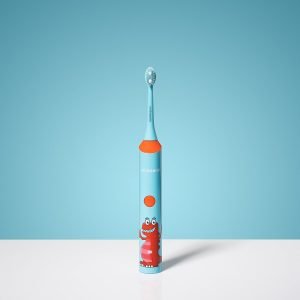
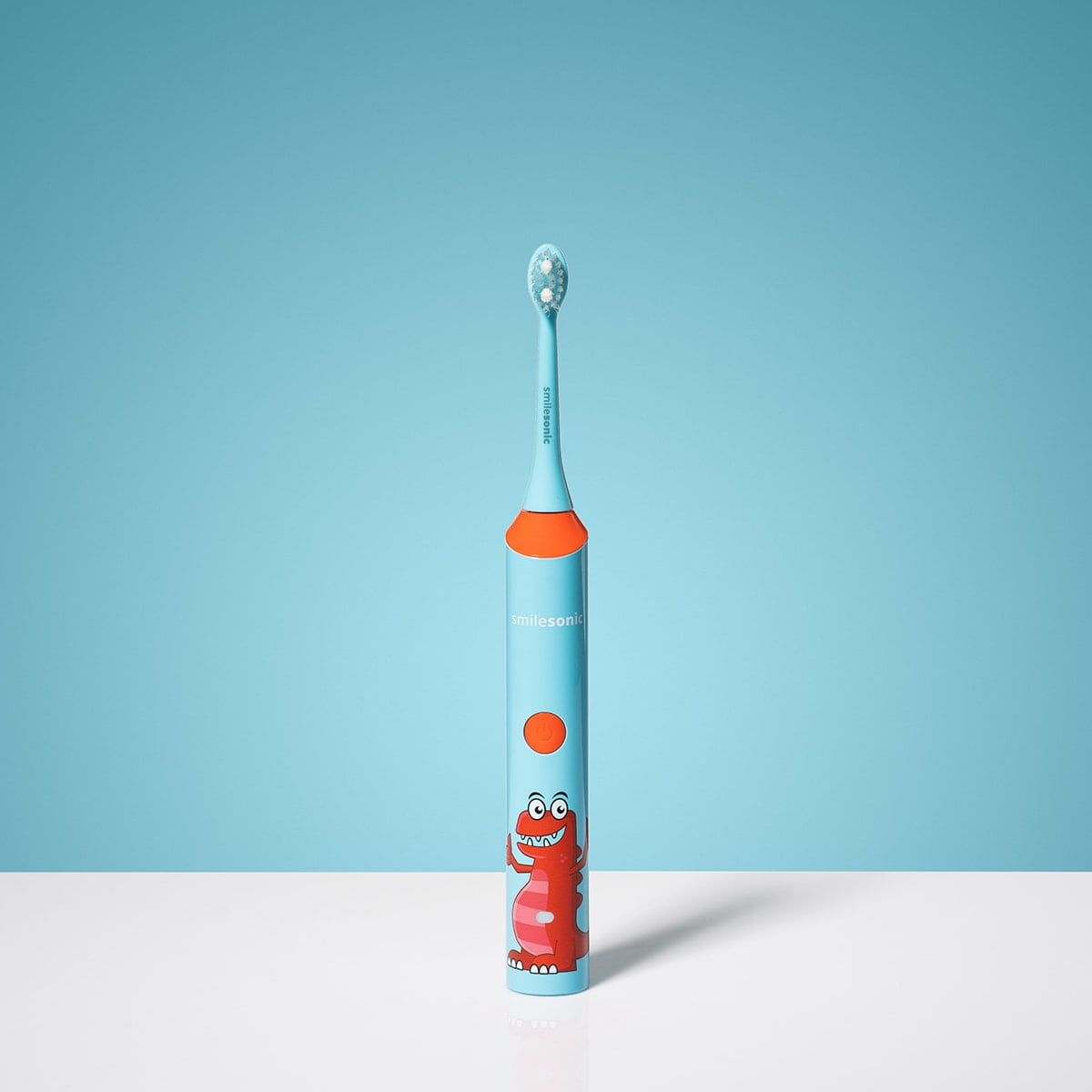
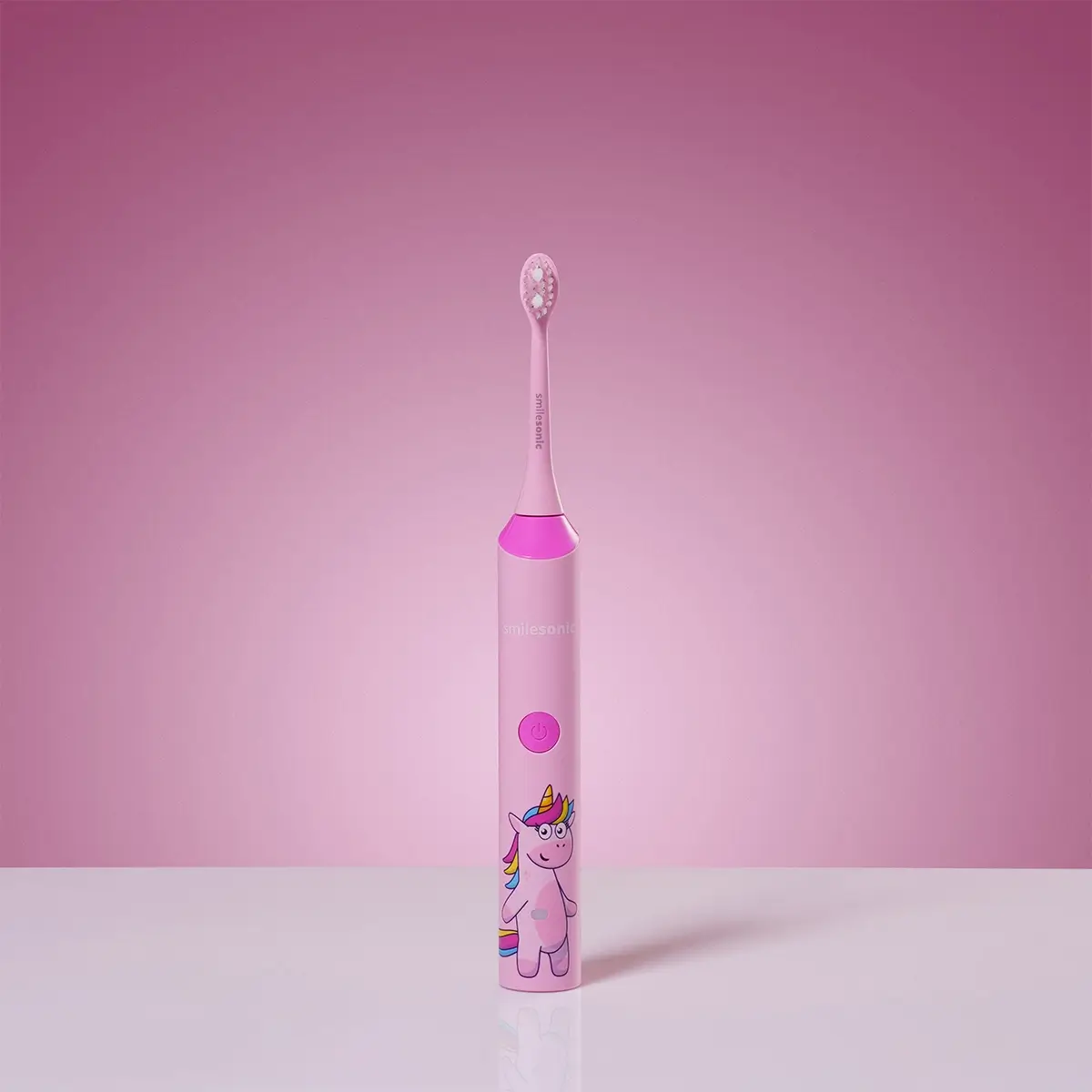
Smilesonic KIDS is a model designed specifically for children from 3 years of age. It combines safety, modern technology, and a child-friendly design.
The toothbrush works gently but effectively – it offers two brushing modes: a gentler one for younger children and a standard mode for those more accustomed to brushing. Importantly, it is equipped with a timer with a signal every 30 seconds, which helps divide brushing into four parts of the mouth and teaches proper hygiene habits.
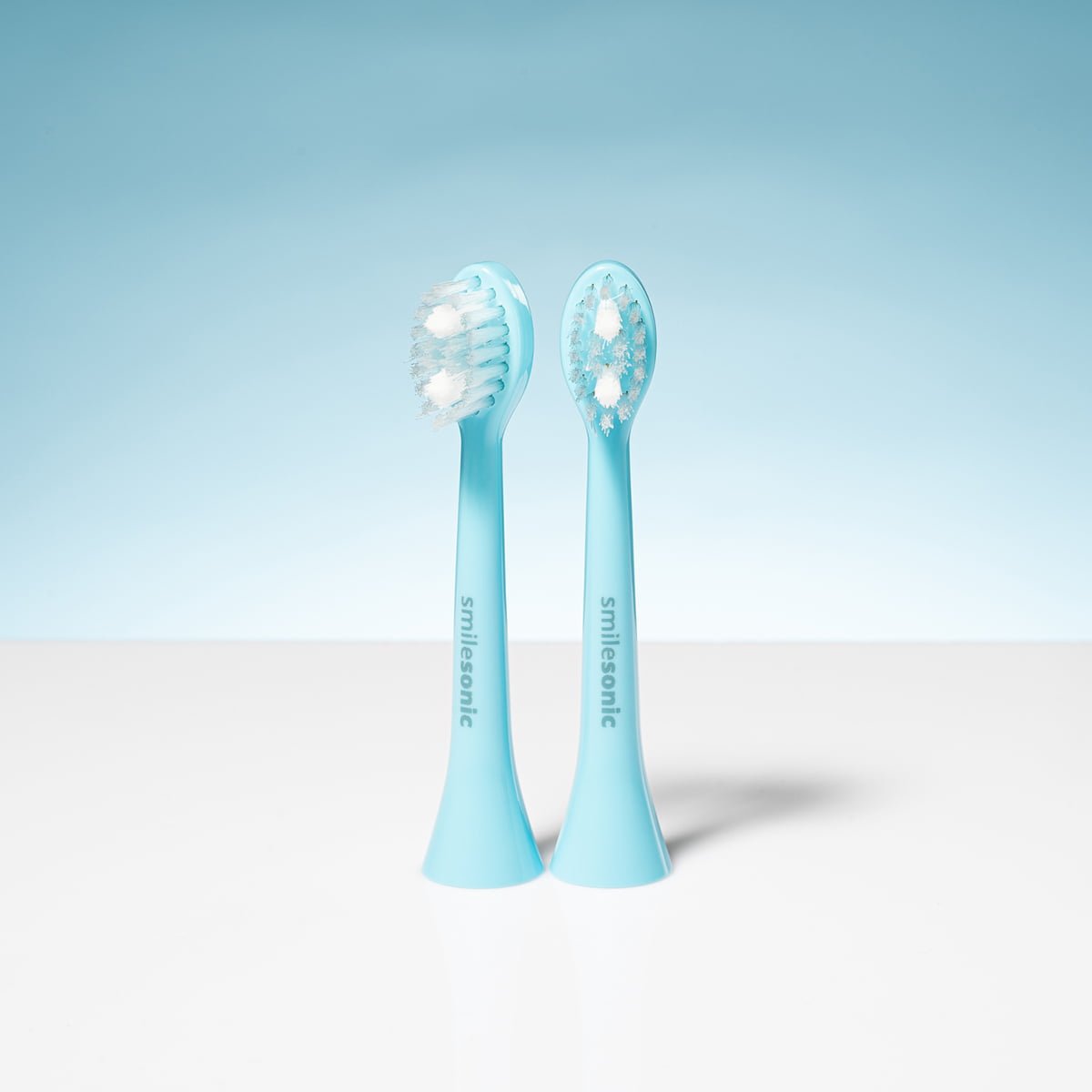
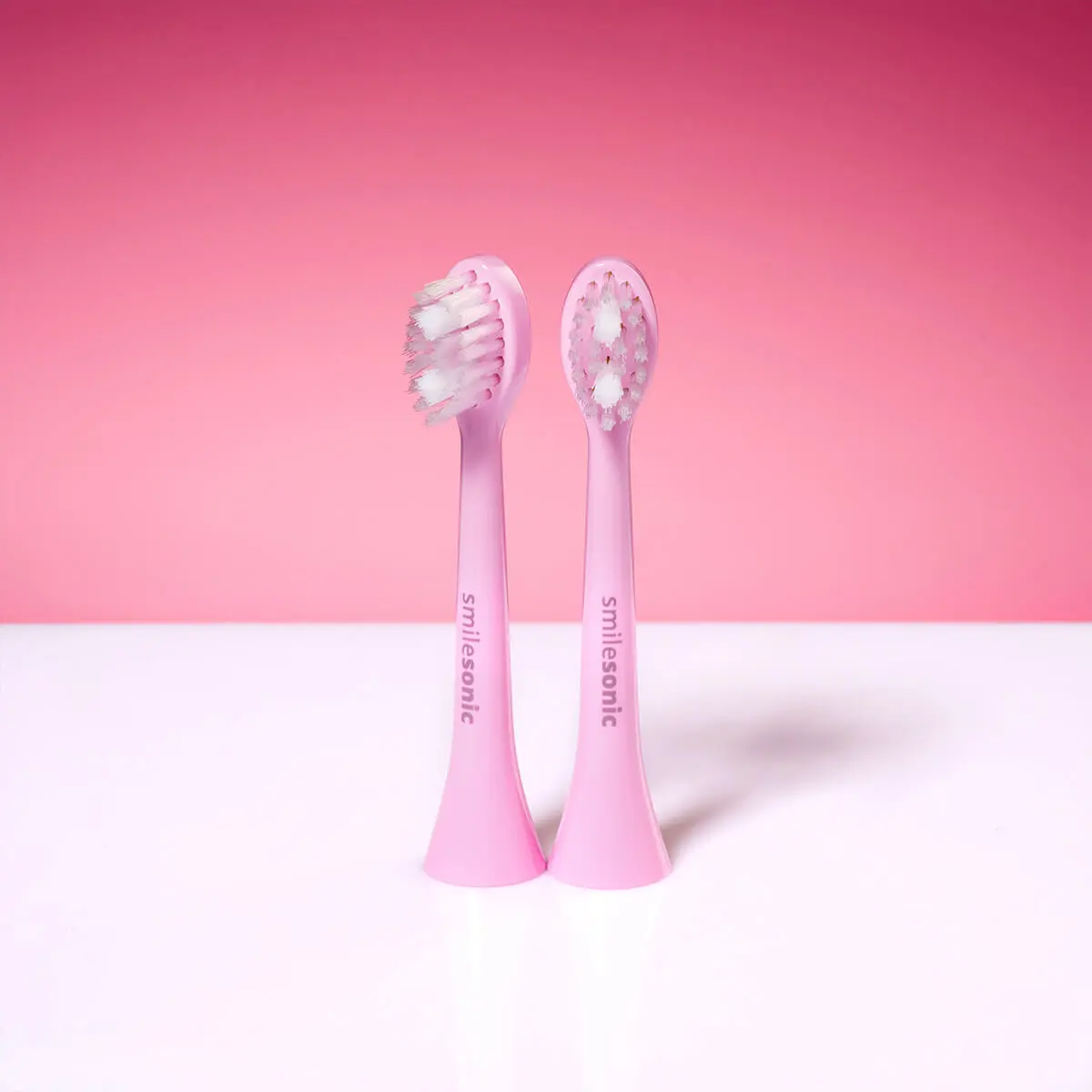
The set includes child-friendly brush heads – smaller, colourful, with extra-soft bristles – perfectly adapted to a child’s mouth. The toothbrush itself is lightweight, colourful, and visually appealing, which is extremely important for children.
It is an excellent choice for parents looking for a combination of technology, safety, and child-friendly design.
Jak wspierać dziecko w nauce szczotkowania?
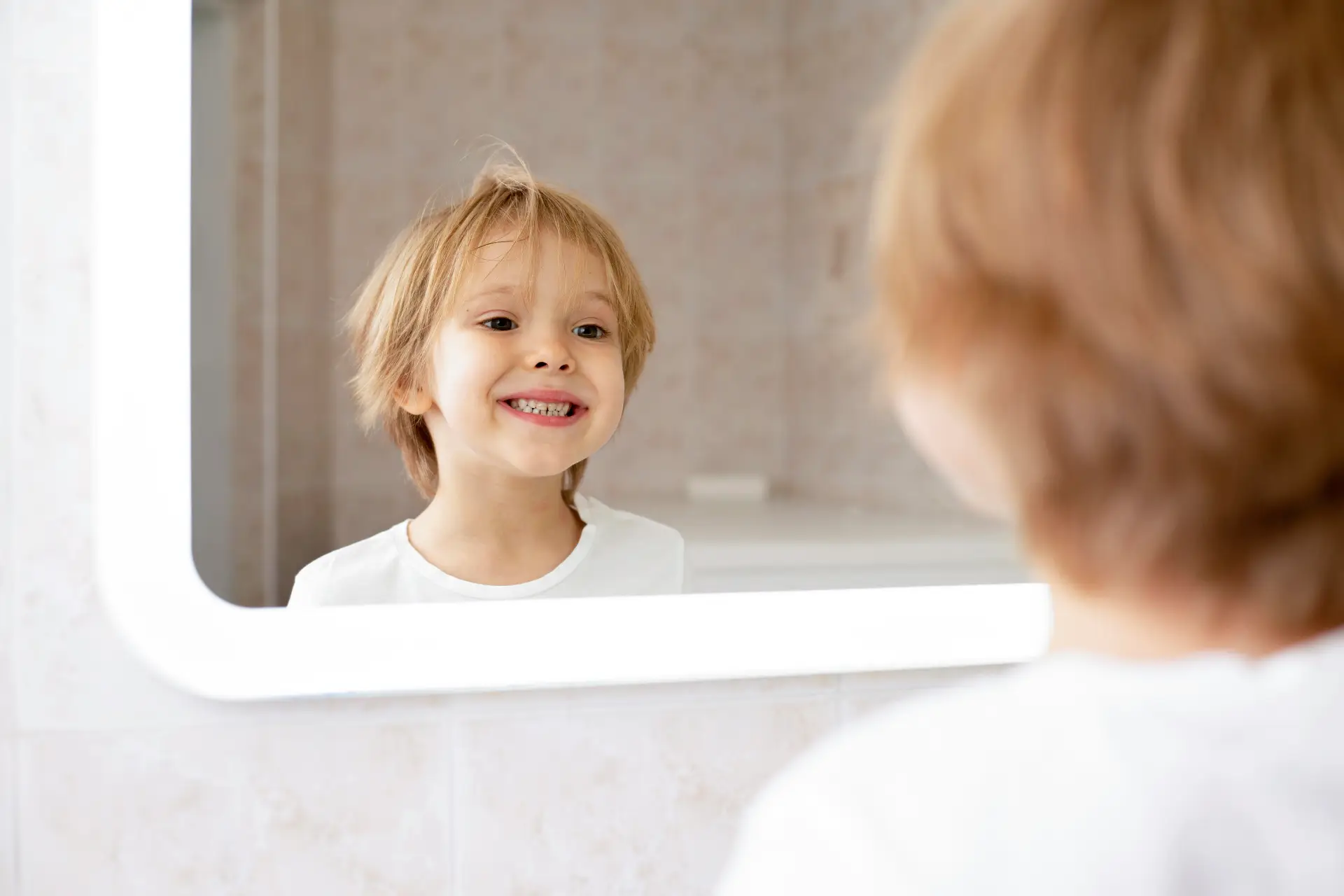
Wspieranie dziecka w nauce szczotkowania wymaga cierpliwości, ale przynosi doskonałe efekty, jeśli zamienimy obowiązek w rytuał. Przede wszystkim warto myć zęby razem z maluchem – stanie obok siebie przed lustrem i wspólne szczotkowanie to jeden z najlepszych sposobów nauki przez naśladowanie. Warto również wprowadzić stałe pory – rano po śniadaniu i wieczorem przed snem – tak, aby mycie zębów stało się elementem codziennej rutyny. Dziecko powinno mieć prawo do wyboru szczoteczki czy koloru kubeczka – takie drobne decyzje wzmacniają jego zaangażowanie. Kluczowe jest też pozytywne podejście – nie krytykuj, nie poganiaj, zamiast tego chwal i zachęcaj. Z czasem dziecko zacznie traktować szczotkowanie nie jako przykry obowiązek, ale naturalny element dnia.
Czego unikać?
Przy wyborze odpowiedniej szczoteczki do zębów dla dziecka warto unikać:
- zbyt twardego włosia – może uszkodzić szkliwo i zniechęcić dziecko;
- zbyt dużej szczoteczki – nie dotrze do trudnych miejsc;
- braku wymiany szczoteczki przez wiele miesięcy – szczoteczkę manualną czy też końcówkę do szczoteczki elektrycznej/sonicznej należy wymieniać co 2–3 miesiące;
- zostawiania dziecka samego z myciem – aż do około 8. roku życia rodzic powinien nadzorować (lub poprawiać) szczotkowanie u swojego dziecka.
Podsumowanie
W wieku 3–5 lat dzieci uczą się podstaw higieny jamy ustnej – a jak wiadomo, nawyki z dzieciństwa zostają z nami na całe życie. Wybór odpowiedniej szczoteczki ma ogromne znaczenie nie tylko w kontekście skuteczności czyszczenia, ale również tego, czy dziecko w ogóle polubi mycie zębów.
Najlepszym wyborem jest szczoteczka soniczna zaprojektowana dla dzieci, taka jak Smilesonic KIDS – bezpieczna, kolorowa, skuteczna i łatwa w obsłudze. Dzięki niej szczotkowanie może stać się codziennym rytuałem, który nie budzi protestu, a nawet… sprawia frajdę.