White teeth are not just a matter of aesthetics, but often also of self-confidence. After all, a beautiful smile can open many doors – both professionally and privately. It is no surprise that at-home teeth whitening has become extremely popular. But which methods actually work, and which are just internet myths?
Below, we have collected the most effective home teeth whitening methods, assessed their safety and effectiveness, and explain how to whiten teeth wisely—without risking enamel or gums.
Where do tooth stains come from?
Before moving on to whitening, it is worth understanding why teeth lose their natural white color. The causes can vary:
consumption of staining drinks (coffee, tea, red wine, cola),
smoking – nicotine and tar substances accumulate on enamel,
antibiotics in childhood (e.g. tetracycline) can stain teeth from within,
natural aging of enamel – it becomes thinner over time, making dentin more visible.
The good news? In many cases, teeth can be effectively brightened at home—provided the right method is chosen.
Home teeth whitening methods – what really works?
1. Whitening toothpaste – stain removal through abrasion
This is the most popular and simplest method. Whitening toothpastes contain polishing particles or mild chemical agents that remove surface stains.
If you drink a lot of coffee, tea, or wine, this is a good way to restore natural whiteness. Results are usually visible after about 2–4 weeks of regular use.
Note: some toothpastes may be too abrasive—especially for people with sensitive enamel. Choose products with a low RDA abrasivity level (below 70).
2. Whitening strips – simplicity and effectiveness
Strips coated with hydrogen peroxide (or its derivatives) are one of the most effective home whitening methods. You apply them to your teeth for several minutes a day for one to two weeks.
Pros:
easy to use,
visible results often within a few days,
suitable for at-home use.
Cons:
may cause tooth sensitivity,
results are not permanent (last 3–6 months),
do not work on fillings or dead teeth.
3. Whitening trays with gel
Sets consisting of flexible trays and whitening gel are a semi-professional option available in pharmacies and online stores. The active ingredient is usually carbamide peroxide.
Effects:
stronger than strips,
treatment duration can be adjusted,
similar effect to professional dental treatments, but with lower concentrations.
Risks:
incorrect application may irritate gums,
dental consultation is recommended before starting treatment.
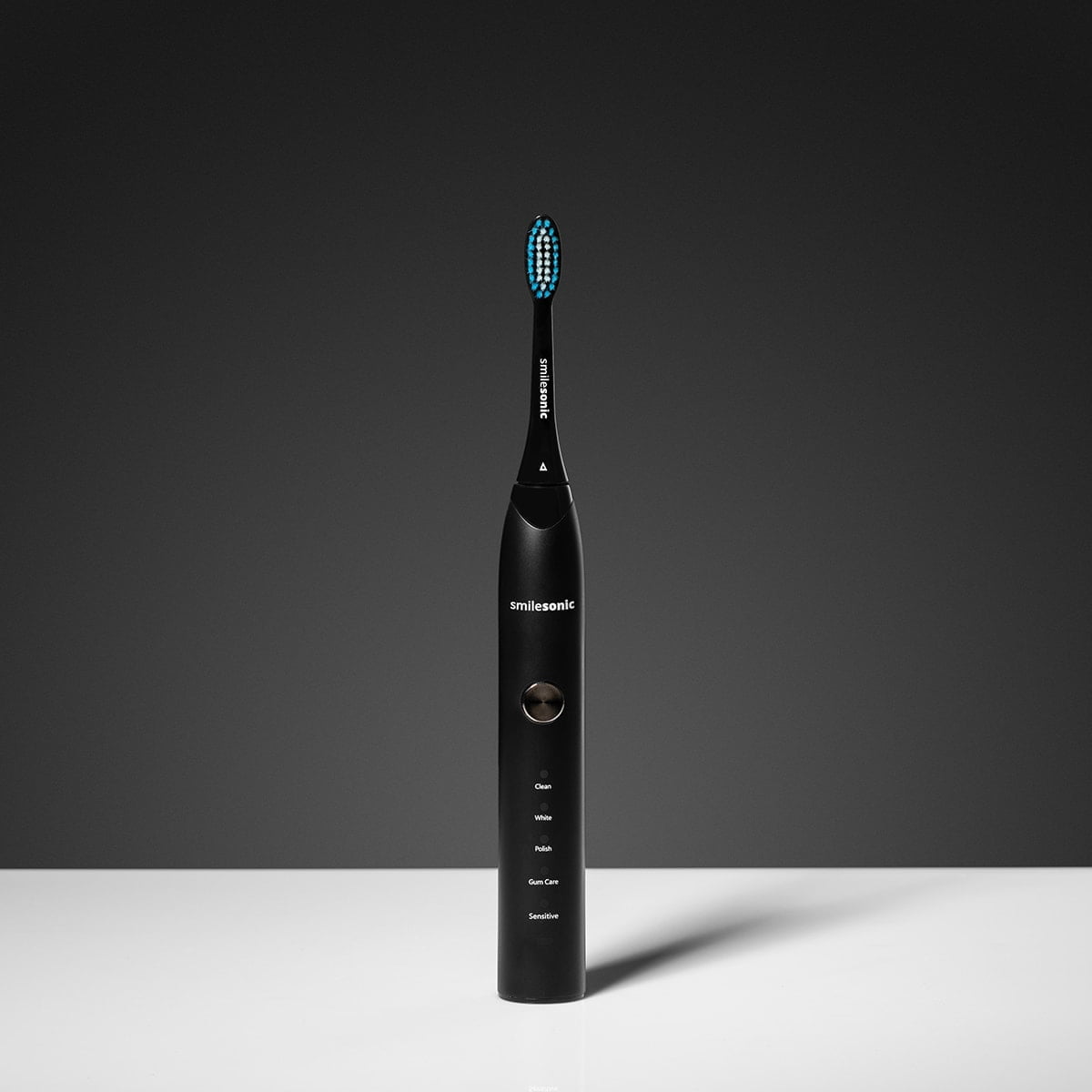
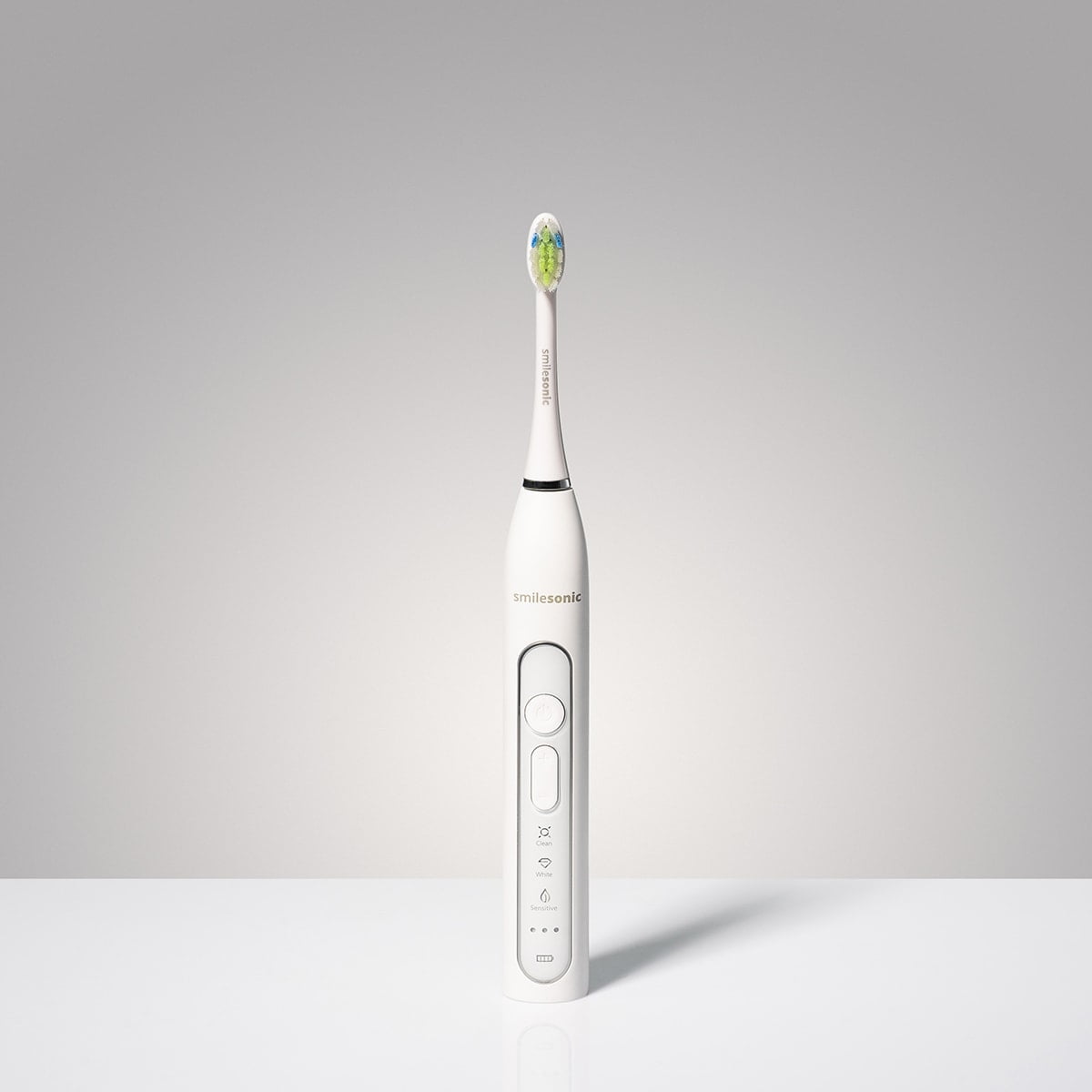
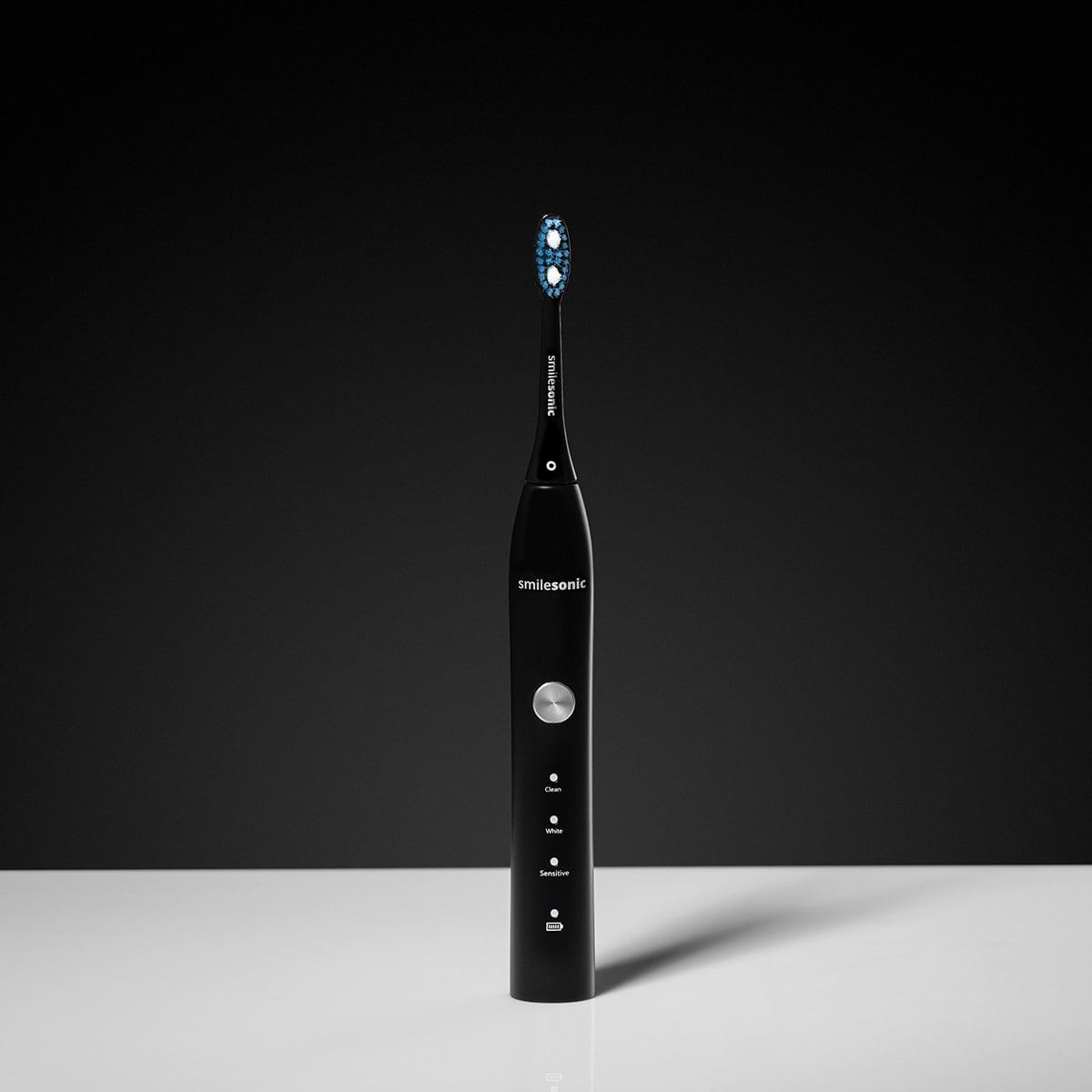
4. Sonic toothbrush – not chemical whitening, but…
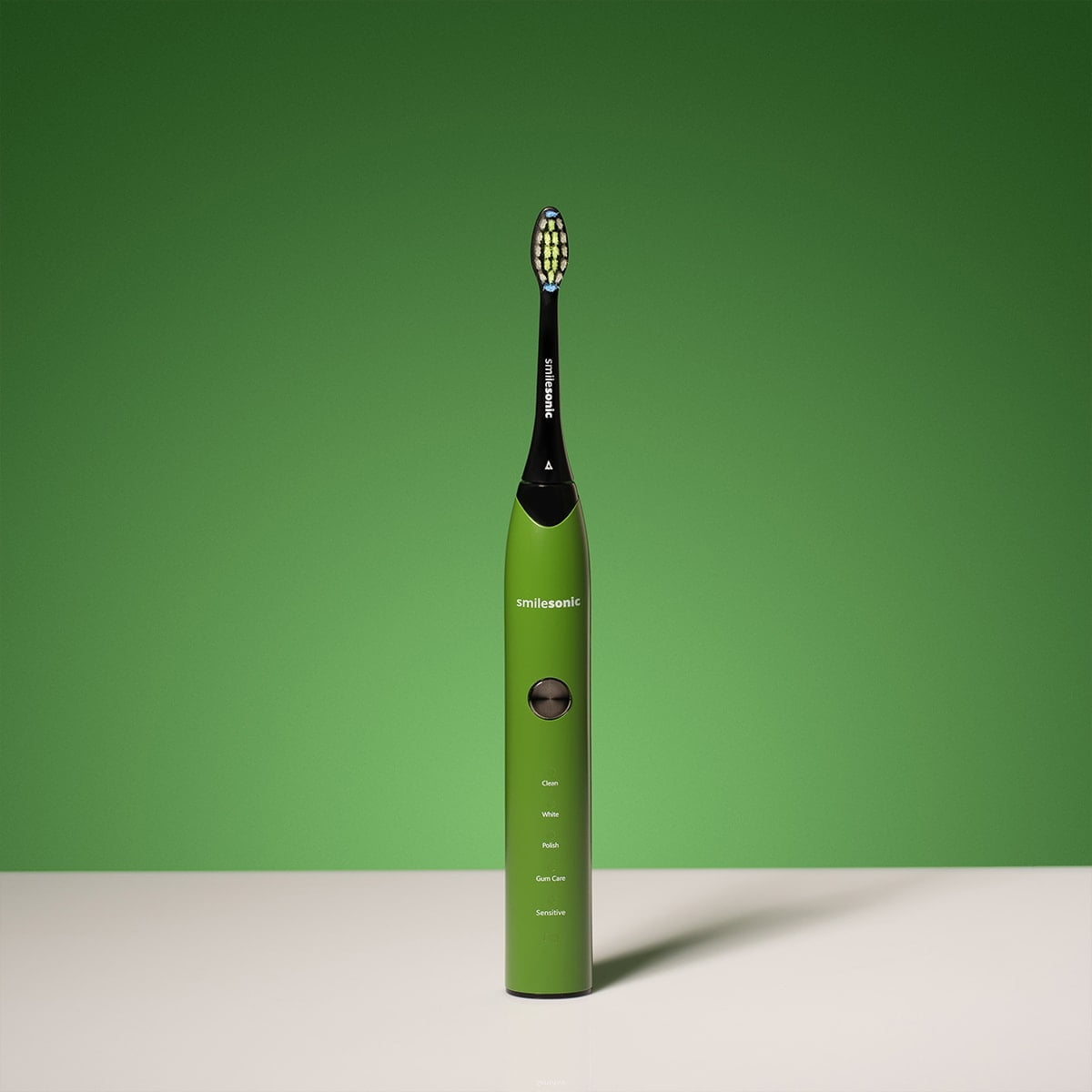
Although a sonic toothbrush does not chemically whiten teeth, it plays a major role in maintaining a bright smile. Thanks to thousands of vibrations per minute and dynamic fluid action, it effectively removes surface deposits that can make teeth appear yellow.
It is also an excellent way to maintain results after completing whitening treatments such as strips or trays.
W Internecie krąży wiele tzw. „naturalnych” sposobów wybielania zębów. Niektóre są bezpieczne i delikatne, inne mogą… zniszczyć szkliwo.
Bezpieczne metody wybielania:
soda oczyszczona (raz na jakiś czas) – działa jako łagodny środek ścierny;
węgiel aktywowany – absorbuje osady, ale stosuj go rzadko i delikatnie;
oleje roślinne (np. kokosowy) – tzw. oil pulling może wspomagać usuwanie toksyn.
Unikaj:
soku z cytryny + sody – kwasy niszczą szkliwo;
octu jabłkowego – silnie drażni i obniża pH w ustach;
pocierania zębów truskawkami, bananami itp. – to mit bez realnego efektu.
Jak wybielać zęby bezpiecznie?
Zasady domowego wybielania:
Nie stosuj wybielania zbyt często – raz na kilka miesięcy wystarczy.
Zawsze przestrzegaj instrukcji producenta.
Zadbaj o dokładną higienę jamy ustnej przed i po wybielaniu.
Używaj szczoteczek i past delikatnych dla szkliwa.
Unikaj barwiących produktów przez min. 48 godzin po wybielaniu.
Skonsultuj się z dentystą, jeśli masz plomby, mosty lub wrażliwe zęby.
Kiedy wybielanie w domu nie wystarczy?
Nie wszystkie przebarwienia da się usunąć w domu. Zęby martwe, zmienione przez leki (np. tetracyklinę), fluorozę czy urazy wymagają profesjonalnej diagnozy oraz wybielania wewnętrznego lub zabiegów w gabinecie stomatologicznym.
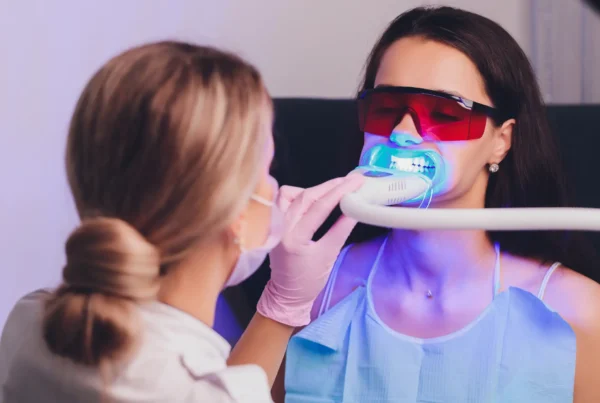
Jeśli domowe metody nie działają, a zależy Ci na spektakularnym efekcie – wybielanie lampą LED lub laserem u dentysty będzie skuteczniejsze.
Podsumowanie – droga do bielszego uśmiechu
Domowe wybielanie zębów może być bezpieczne oraz skuteczne, jeśli wybierzesz sprawdzone metody i zastosujesz je z rozwagą. Nie każda internetowa porada ma sens – ale z odpowiednimi narzędziami i systematycznością jesteś w stanie uzyskać realny efekt bez szkody dla zdrowia jamy ustnej.
Najlepsze połączenie to:
codzienna higiena z użyciem szczoteczki sonicznej,
rozsądnie stosowane paski lub nakładki wybielające,
świadoma dieta i unikanie barwiących nawyków.
A może wybielanie z technologią?
Jeśli chcesz dowiedzieć się, jak skutecznie utrzymać biały uśmiech i które szczoteczki Smilesonic najlepiej sprawdzają się przy wybielaniu – napisz do nas lub odwiedź nasz sklep online. Z przyjemnością doradzimy Ci najlepsze rozwiązanie!
Adrian has long been interested in modern solutions that support daily oral hygiene and improve patients' quality of life. He is particularly passionate about sonic technologies, whose effectiveness and safety he regularly tests in practice. On the Smilesonic blog, he shares his reliable knowledge on preventive dentistry, reviews of innovative devices, and practical tips on how to effectively care for teeth and gums. His goal is to promote conscious oral hygiene and demonstrate that carefully selected tools can significantly simplify daily care and contribute to a healthy, beautiful smile.
A Hollywood smile from Turkey – is it worth getting veneers in Turkey? Find out about the complications and check whether dental treatment in Turkey is safe