
In brief:
The natural color of teeth is influenced by many factors: genetics, diet, daily hygiene, age, and lifestyle. Not everyone can have teeth like in whitening toothpaste ads – but everyone can take care of having a healthy, clean, and well-maintained smile. Find out why some people have whiter teeth than others and what really affects their shade.
Tooth color and genetics – what we’re born with
Even before we drink our first cup of coffee, the color of our teeth is partly determined by our DNA. The following factors influence tooth color:
- the thickness and structure of enamel,
- the shade of dentin (the layer beneath the enamel),
- the type of tooth mineralization,
- the natural translucency of enamel.
Some people have thicker, more opaque enamel that “masks” the darker dentin—making their teeth appear lighter. Others have thinner enamel, so the yellowish tones of dentin become more visible over time.
However, this doesn’t mean we have no control over the appearance of our smile—proper care and habits play a huge role.
Diet and lifestyle – the biggest impact on daily discoloration
What we eat and drink every day has a major impact on tooth color. Even the whitest enamel can become discolored over time if we frequently consume:
- coffee and tea (especially black tea),
- red wine,
- carbonated and colored beverages,
- dark fruits (berries, blueberries, cherries),
- curry, beets, soy sauce.
These products contain strong pigments and tannins that adhere to the surface of enamel. Importantly, some of them (e.g., coffee, tea, red wine) also have an acidic pH, which increases enamel’s susceptibility to staining.
Frequency matters too—sipping coffee throughout the day is more harmful than drinking it with a meal and rinsing with water afterward.
Hygiene – the key to natural whiteness
Daily brushing, flossing, and rinsing not only prevent cavities and gum disease—they are also the simplest way to maintain the natural whiteness of teeth.
Plaque buildup, stains from coffee and food, and tartar can all alter the appearance of teeth, making them look dull or gray. Regular removal of these deposits (including professional dental cleaning) can visibly brighten your smile.
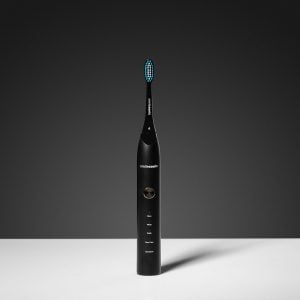
It’s also worth considering tools that support daily hygiene. Sonic toothbrushes, such as Smilesonic EX or GO models, use sound waves to effectively remove deposits and surface stains—even in hard-to-reach areas. Their gentle action makes them safe for enamel, and with regular use, they can improve the visual appearance of teeth.
Is whitening always necessary?
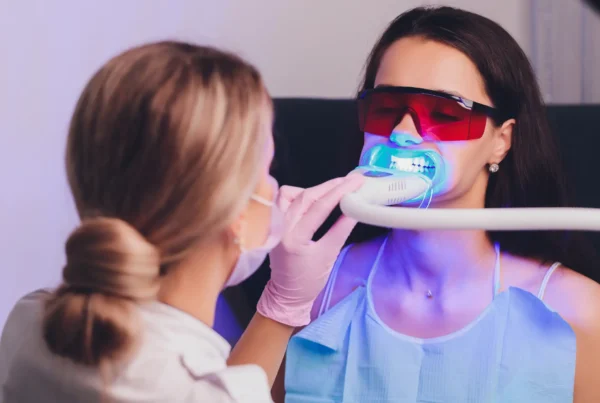
Not always. Many patients expect a “Hollywood white” effect that doesn’t match their natural tooth color. In such cases, professional cleaning (scaling and air polishing), switching to a whitening (but non-abrasive) toothpaste, or using an irrigator can provide a surprisingly refreshing result.
FAQ - Najczęściej zadawane pytania
Why do teeth become yellow with age?
Over time, enamel becomes thinner and more transparent, revealing the darker dentin underneath. Additionally, stains from food and drinks accumulate.
Does whitening toothpaste really work?
Toothpastes can remove surface stains but do not change the color of dentin. However, regular use of gentle formulas can improve enamel appearance.
Does a sonic toothbrush whiten teeth?
It doesn’t chemically whiten teeth, but it effectively removes plaque and stains. As a result, teeth appear brighter and cleaner.
Is whitening harmful to teeth?
Whitening performed under a dentist’s supervision is safe. Problems may arise from unregulated products or excessive use of home methods.
Why do children have whiter teeth than adults?
Primary (baby) teeth are more opaque and have a different enamel structure. Permanent teeth darken over time due to staining and structural changes in enamel.