
Innocent baby teeth, a cute smile, first attempts at independent brushing – every parent knows these moments. But there is also the other side: battles over toothpaste, crying, avoidance, and negotiations before evening brushing. For many families, oral hygiene is a never-ending topic, and convincing a child to brush regularly can feel like a diplomatic mission.

Is it really possible to explain to a child that brushing teeth can be something more than a boring obligation? Absolutely – but it requires patience, creativity, and consistency. Below you will find proven methods, psychological tips, and practical ideas that can turn your bathroom into… a scene of play and learning.


Why don’t children want to brush their teeth?

Before we move on to solutions, it’s worth understanding why children resist brushing:

  • Boredom – a repetitive activity that seems meaningless from their perspective
  • Lack of understanding consequences – children do not yet feel the effects of cavities or the need to prevent them
  • Unpleasant sensations – too hard a toothbrush, strange toothpaste taste, tickling sensation
  • Feeling of being forced – nobody likes being told what to do
  • Lack of example – the child does not see others taking care of their teeth

Identifying the cause of resistance is the first step toward change.


Where to start?

Children learn by observation. If they regularly see their parents brushing their teeth morning and evening, calmly and without frustration, the chance that they will imitate this behaviour increases significantly. Try brushing your teeth together, in front of one mirror, treating it as a shared ritual.

Instead of saying: “You have to brush your teeth or you’ll get cavities”, tell a story about a “brave tooth” fighting the “sugar monster.” Or about bacteria running away from the toothbrush like from a knight. Children love storytelling – the more colourful and fun, the better.


Proven ways to encourage a child to brush their teeth

• Create a routine

Children need rituals. Brushing at the same time every day – in the morning after breakfast and in the evening before a bedtime story – builds a sense of safety and predictability.

• Use an age-appropriate toothbrush

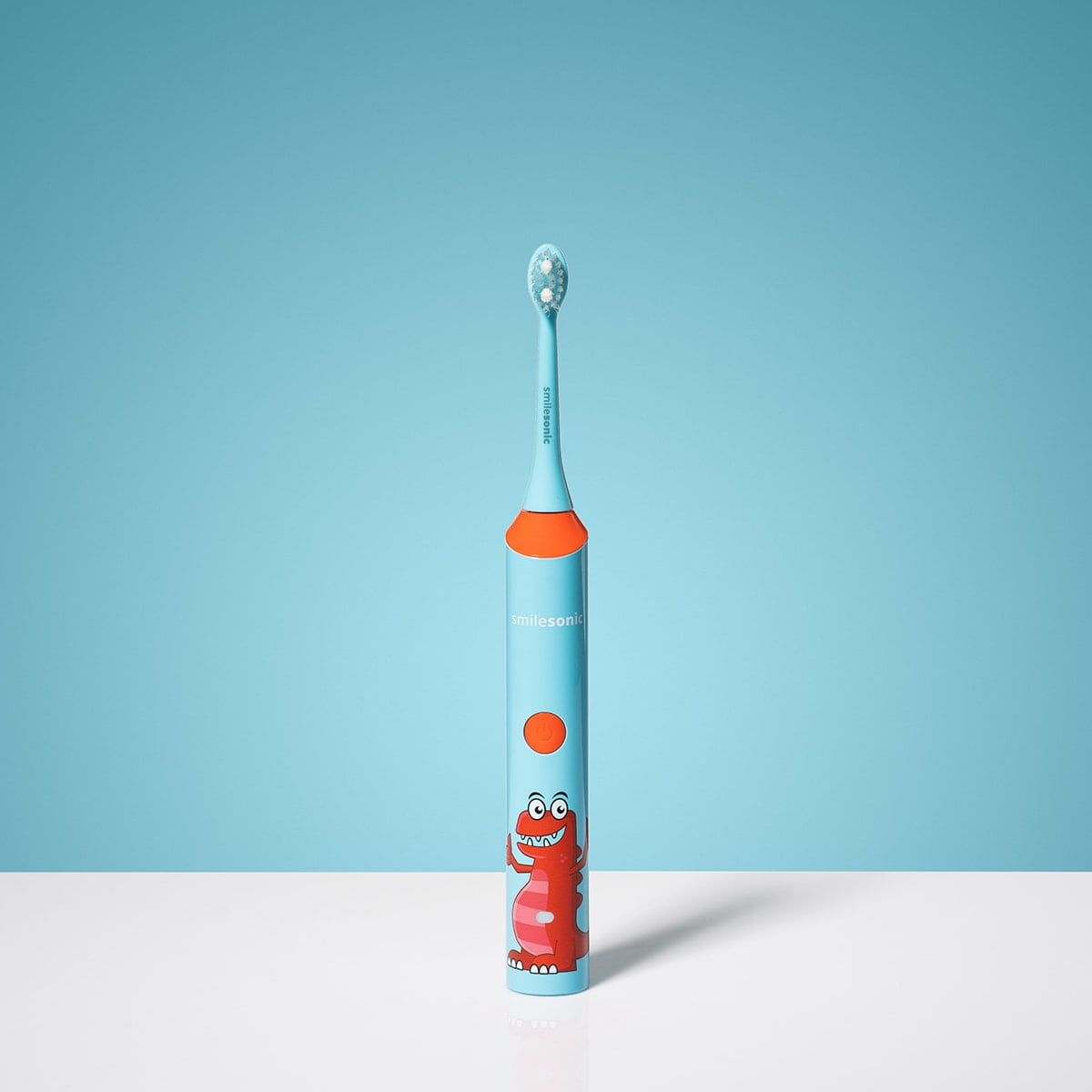
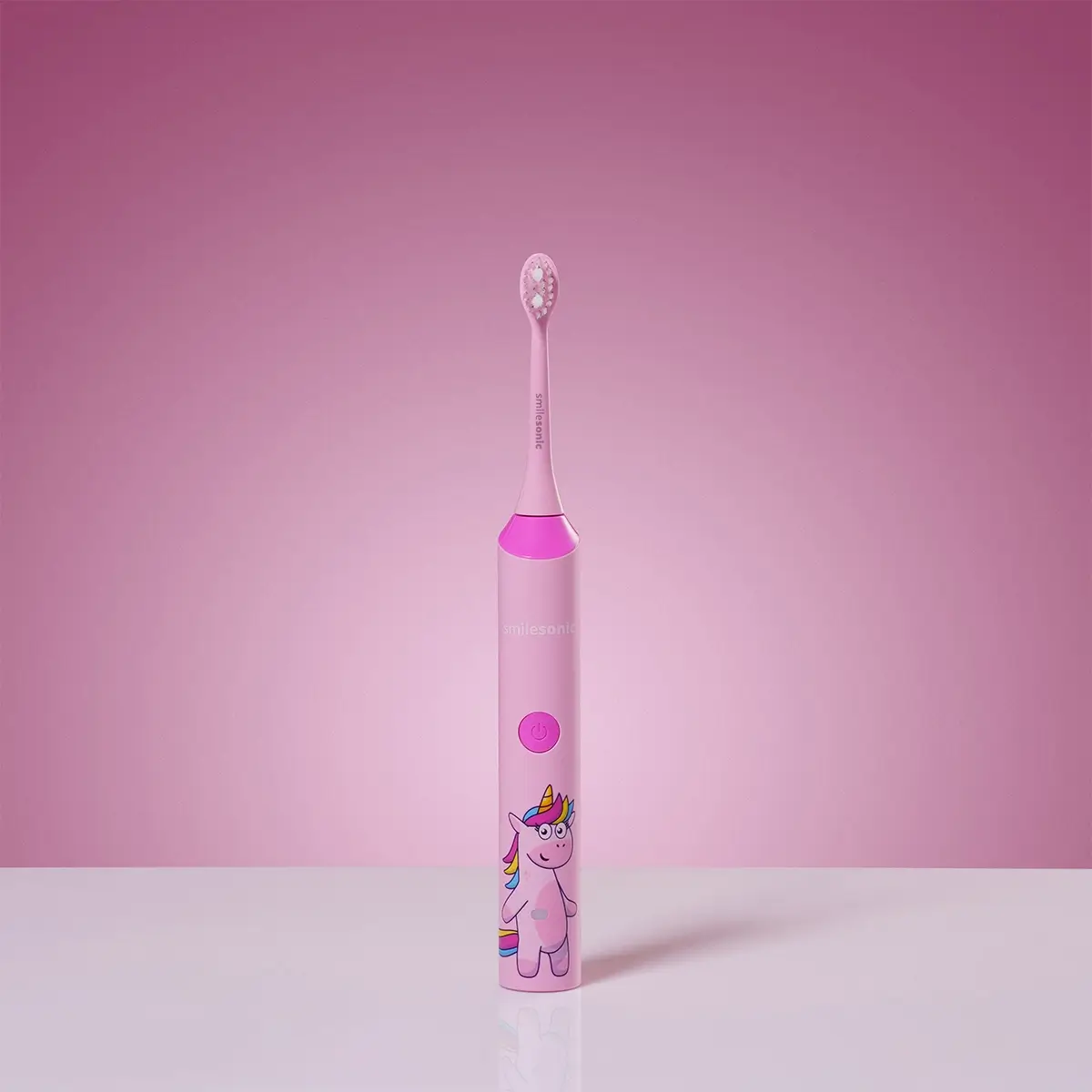
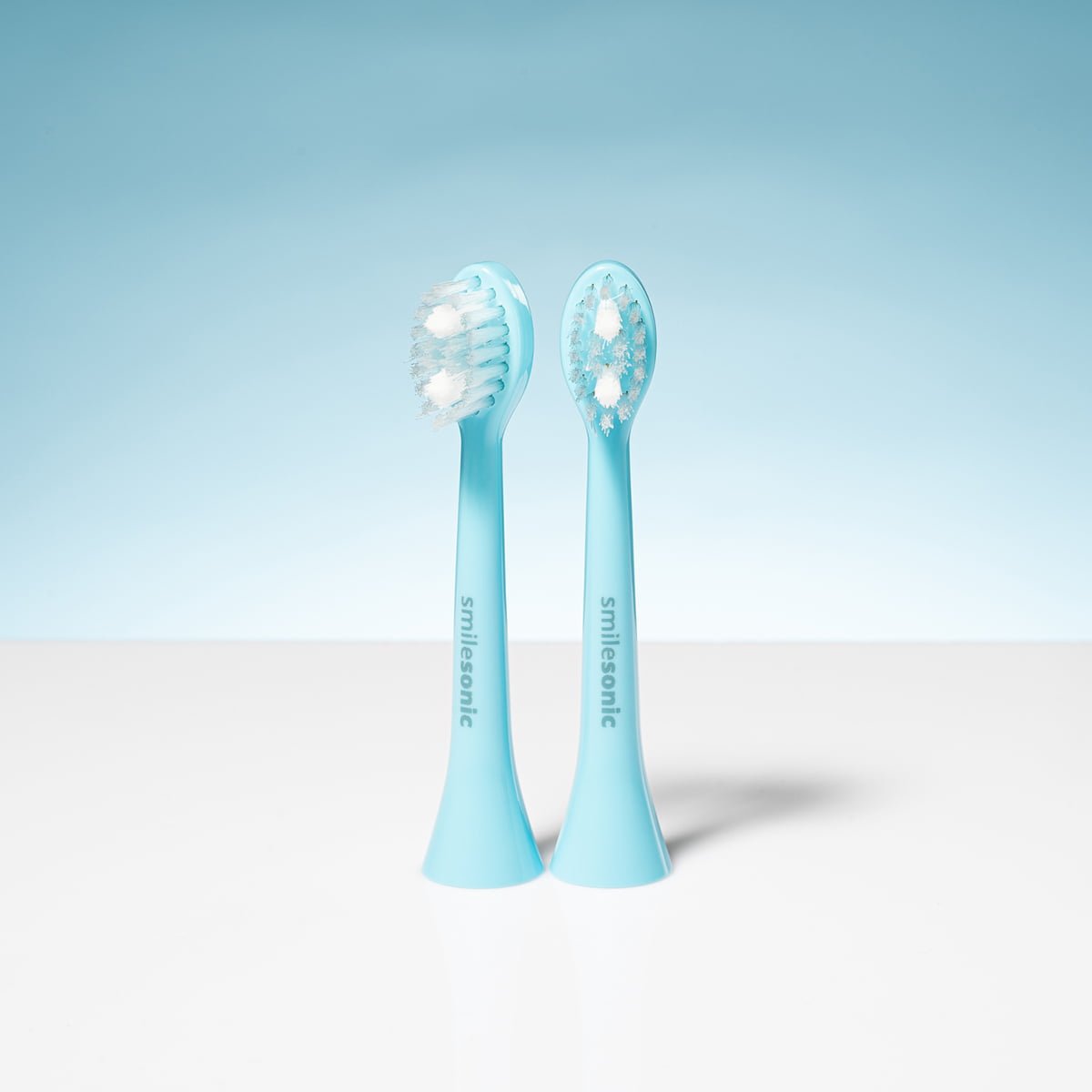
A child should have their own colourful toothbrush – ideally with soft bristles and a favourite character. A too-hard, uncomfortable toothbrush can quickly discourage them.

• Turn time into play

Use a timer in the form of a song. Play favourite music for 2 minutes. Use an hourglass or a brushing animation app.

• Introduce a reward system

Create a simple chart and add stickers for every day the child brushes their teeth independently. After 7 days, they can receive a small reward (e.g. colouring book, cinema trip).

• Let the child make decisions

Let them choose the toothbrush, toothpaste flavour (e.g. strawberry, mint, raspberry), or even the brushing order – “top teeth first, then bottom.” Giving children a sense of control reduces resistance.


What about the youngest children?

For children under 3 years old, playfulness and parental closeness are especially important. It is best to start brushing as soon as the first tooth appears, treating it as a pleasant ritual rather than a “medical procedure.” Use gentle accessories and plain water or fluoride-free toothpaste if the child has not yet developed the habit of spitting.


Apps and multimedia

Modern technology can be very helpful:

  • brushing animation apps (e.g. Disney Magic Timer, Brush DJ)
  • educational YouTube videos – cartoons about bacteria, teeth, and brushing
  • interactive toothbrushes with apps (e.g. toothbrushes that show unclean areas on a screen)

These are not just gadgets – they are tools that support habit formation.

Co mówi psychologia?

Z psychologicznego punktu widzenia dzieci uczą się najskuteczniej przez obserwację i powtarzalność, ale równie ważne są emocje, które im towarzyszą. Jeśli szczotkowanie kojarzy się z nerwami rodzica, pośpiechem oraz przymusem – automatycznie budzi opór. Dziecko nie rozumie jeszcze konsekwencji próchnicy, ale doskonale wyczuwa napięcie.

Zamiast straszyć czy krytykować, lepiej wzmacniać pozytywne skojarzenia. Uśmiech, pochwała, piątka po udanym szczotkowaniu – to właśnie takie małe gesty budują chęć do działania. Warto pamiętać, że dziecko chce czuć się samodzielne i ważne – warto mu na to pozwolić, nawet jeśli nie zawsze robi coś idealnie.

Nie chodzi o to, by od razu wszystko działało perfekcyjnie. Ważniejsze jest spokojne, konsekwentne budowanie nawyku – z nastawieniem na proces, a nie na efekt.

Pomysły dla starszaków (6–10 lat)

Dzieci w wieku szkolnym mają większą świadomość, ale też potrzebują motywacji, która nie będzie infantylna. Można spróbować zaangażować je bardziej w proces szczotkowania zębów – np. kupując im ich „własny zestaw higieny”: kubeczek, ręcznik, uchwyt na szczoteczkę. Dzieci w tym wieku cenią swoją przestrzeń i niezależność, dlatego warto to wykorzystać.

Dobrym pomysłem mogą być szczoteczki z funkcją odliczania czasu lub gry mobilne, które pokazują „obszary do doczyszczenia”. Niektórym dzieciom pomaga zabawa w kontrolera – mogą sprawdzać zęby młodszemu rodzeństwu (lub maskotkom), a potem własne. Inne lubią checklisty albo quizy o zębach – im bardziej angażujące, tym lepiej.

Podsumowanie

Zachęcenie dziecka do mycia zębów nie powinno opierać się na przymusie ani strachu. Najważniejsze aspekty to spójna rutyna, pozytywne emocje oraz poczucie dziecka, że ma istotny wpływ na cały proces. Każdy maluch (i starszak) uczy się inaczej – jeden przez zabawę, inny przez rywalizację, a kolejny przez obserwację rodzica.
Najskuteczniejsza jest cierpliwość połączona z konsekwencją. Nawyk nie powstaje z dnia na dzień, ale gdy jest wspierany, nagradzany i niekojarzony z karą – zostaje z dzieckiem na lata. A to oznacza nie tylko mniej stresu na co dzień, ale i zdrowy uśmiech w przyszłości.

Adrian Szymczyk

Adrian has long been interested in modern solutions that support daily oral hygiene and improve patients' quality of life. He is particularly passionate about sonic technologies, whose effectiveness and safety he regularly tests in practice. On the Smilesonic blog, he shares his reliable knowledge on preventive dentistry, reviews of innovative devices, and practical tips on how to effectively care for teeth and gums. His goal is to promote conscious oral hygiene and demonstrate that carefully selected tools can significantly simplify daily care and contribute to a healthy, beautiful smile.

Leave a Reply