
Although tooth extraction may seem like a simple and common procedure, it is a significant intervention in the body. After a tooth is removed, the wound in the oral cavity needs time and proper conditions to heal. Improper behavior in the first days after the procedure can lead to complications, including a painful and difficult-to-treat dry socket.
Among everyday activities that may raise doubts after extraction is washing your hair. Can you do it right away? Can bending over in the shower or exposure to steam harm the healing site? This article answers these questions in detail.
Why is caution after tooth extraction so important?
After a tooth is removed, an open socket remains. Within minutes, a blood clot should form—this acts as a natural dressing, protecting nerves, bone, and tissue from infection and pain. This delicate clot can easily be disturbed—for example by suction, rinsing, or changes in pressure and head position, which can occur during hair washing.
If the clot is dislodged or dissolves, it can lead to a dry socket, a very painful condition that requires dental treatment and significantly prolongs healing.
Can you wash your hair after a tooth extraction?
Yes—but with caution and by following a few key rules. The risk does not come from washing your hair itself, but from related actions such as:
- bending your head forward (e.g., over a bathtub or sink),
- exposure to hot steam (which dilates blood vessels and may increase bleeding),
- sudden changes in pressure in the head,
- pressure or abrupt movements.
In practice, how you wash your hair matters more than whether you do it.
When is the best time to wash your hair?
First 24 hours – avoid it
During the first day after extraction, it is not recommended to wash your hair or take a hot bath. This is when the body stabilizes clot formation, and the wound needs rest. Steam, bending, and movement may interfere with healing.
After 24 hours – with caution
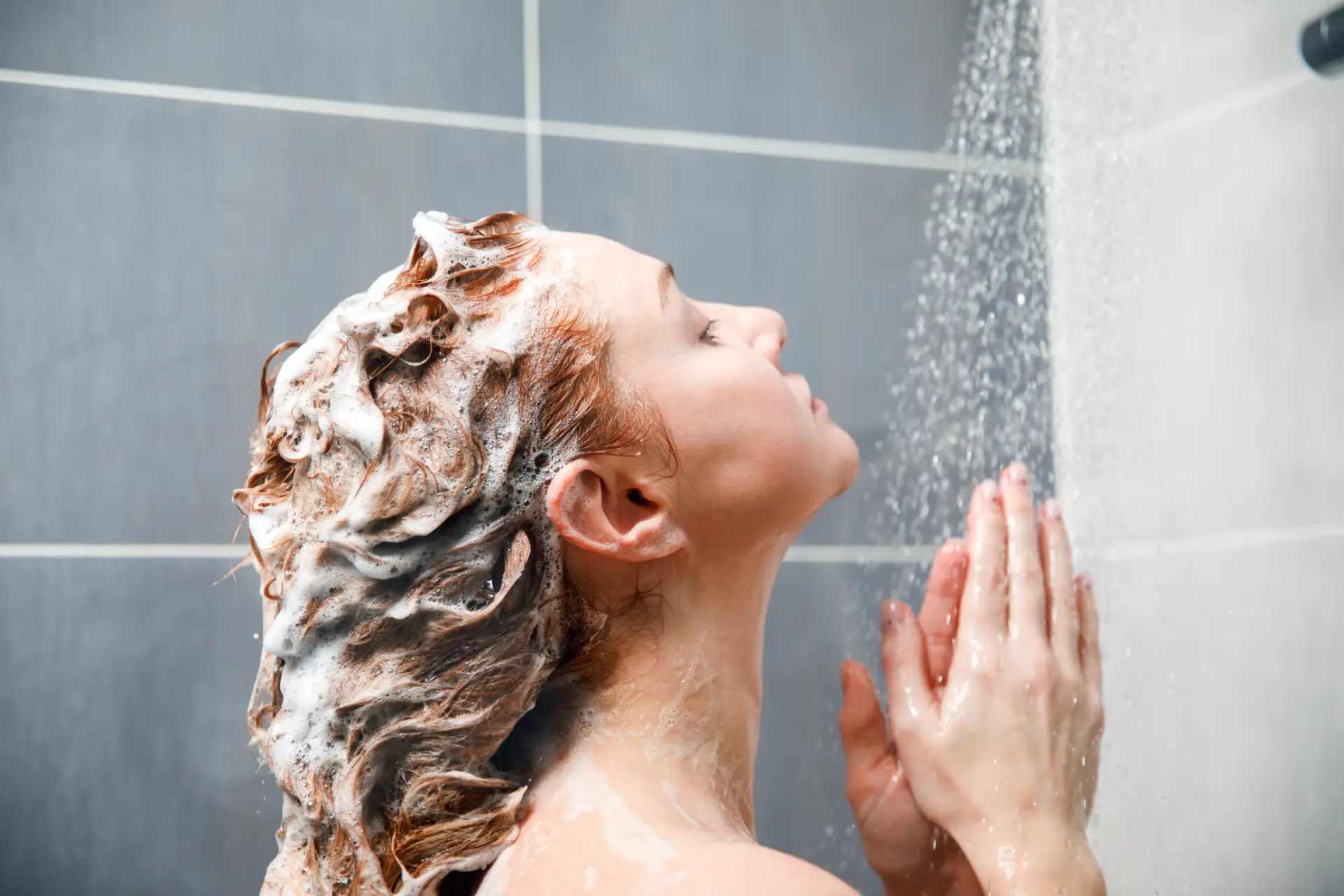
If healing is progressing well (no bleeding, swelling, or pain), you can carefully wash your hair. Avoid bending forward—use a shower with your head upright or ask someone to help you wash your hair while you sit in a semi-reclined position.
After 72 hours – fewer restrictions
After three days, the wound is usually more stable. You should still avoid very hot water and sudden movements, but daily activities—including hair washing—become less risky.
How to wash your hair safely – practical tips
Use lukewarm water
Avoid hot water, which can dilate blood vessels and increase bleeding risk. Lukewarm water is safer and gentler.
Avoid bending forward
Keep your head upright or slightly tilted back. If needed, sit down and ask someone for help.
Be gentle
Avoid sudden movements, shaking your head, or vigorous scalp massage—anything that increases pressure in the head may disrupt healing.
Avoid steam, saunas, and hot baths
Especially during the first 2–3 days. Steam can soften gum tissue and increase the risk of complications.
Rest after washing
Do not go outside immediately or expose yourself to cold or drafts. Your body needs time to recover after both the procedure and washing.
What should you absolutely avoid?
After extraction, avoid:
- drying your hair with very hot air close to your face,
- sudden bending forward,
- long exposure to hot water in the shower.
All of these can increase pressure or temperature around the surgical site and interfere with healing.
What if you have concerns or complications?
Consult your dentist if you notice:
- renewed bleeding from the wound,
- throbbing pain that worsens when bending,
- a pulling or pressure sensation in the gum,
- bad breath or a foul taste (possible infection).
It’s better to be cautious than to allow inflammation to develop.
Summary
Washing your hair after a tooth extraction is not forbidden, but it requires caution—especially during the first 24–72 hours. The key is to avoid bending forward, hot water, intense movements, and anything that may disrupt healing.
Your priority is not a perfect hairstyle, but safe recovery. Give yourself a few days, be gentle, and listen to your body—even a routine activity like washing your hair can affect the healing process.