
In brief:
Tooth wear is not just a result of aging—it is increasingly caused by stress, improper habits, or diet. What may seem like harmless “enamel wear” can lead to pain, sensitivity, and even shortening of tooth crowns. Learn about the most common causes of tooth wear and how modern dentistry can effectively prevent it.
What is tooth wear and why is it a serious problem?
Tooth wear (erosion, abrasion, attrition) is the gradual loss of enamel and dentin that can progress for years without obvious symptoms. Initially, you may notice slight flattening of the edges of incisors or a dulling of enamel, but over time it can lead to sensitivity, cracks, and loss of smile aesthetics.
It’s important to remember that enamel—the hardest tissue in the human body—does not regenerate on its own. That’s why early intervention and proper treatment are essential.
The most common causes of tooth wear
Tooth wear often results from a combination of mechanical and chemical factors:
1. Teeth grinding (bruxism)
One of the main causes of excessive enamel wear. Stress, emotional tension, and bite issues can lead to involuntary clenching, especially at night. As a result, enamel wears down and chewing surfaces become flat and dull.
2. Acidic diet
Frequent consumption of carbonated drinks, citrus juices, or vinegar-based dressings lowers oral pH and leads to enamel erosion. When enamel is softened, even gentle brushing can accelerate wear.
3. Improper brushing technique
Excessive pressure—especially with a hard-bristled toothbrush—can cause abrasion, or mechanical damage to enamel. Over time, this leads to characteristic notches near the gumline.
4. Malocclusion and improper tooth contact
If teeth do not meet properly, chewing forces are unevenly distributed. This overloads certain teeth, causing them to wear down faster.
5. Gastroesophageal reflux
Stomach acids entering the oral cavity can significantly dissolve enamel. People with reflux often show wear on the inner surfaces of molars and incisors.
How to recognize tooth wear?
Tooth wear is often painless at first, which is why it is frequently overlooked. Common symptoms include:
- smooth or flattened tooth surfaces
- sensitivity to heat, cold, and touch
- enamel cracks
- a feeling of “shorter” teeth
- headaches and jaw pain after waking
Early detection is crucial—the sooner treatment begins, the easier it is to stop the process.zostanie leczenie, tym łatwiej zatrzymać proces ścierania.
Expert opinion (Denthelp)
“Tooth wear is one of the most common dental problems among adults today. Many patients don’t realize that stress is often the main culprit, leading to unconscious teeth grinding. Treatment isn’t just about rebuilding enamel—you need to identify the cause, such as using a night guard, correcting the bite, or changing dietary habits. Proper diagnosis and prevention are key to stopping the process,” says Maciej Tobolko, Denthelp expert.
Treatment of tooth wear – step by step
Modern dentistry offers effective ways to stop wear and restore lost enamel:
1. Diagnosis and bite analysis
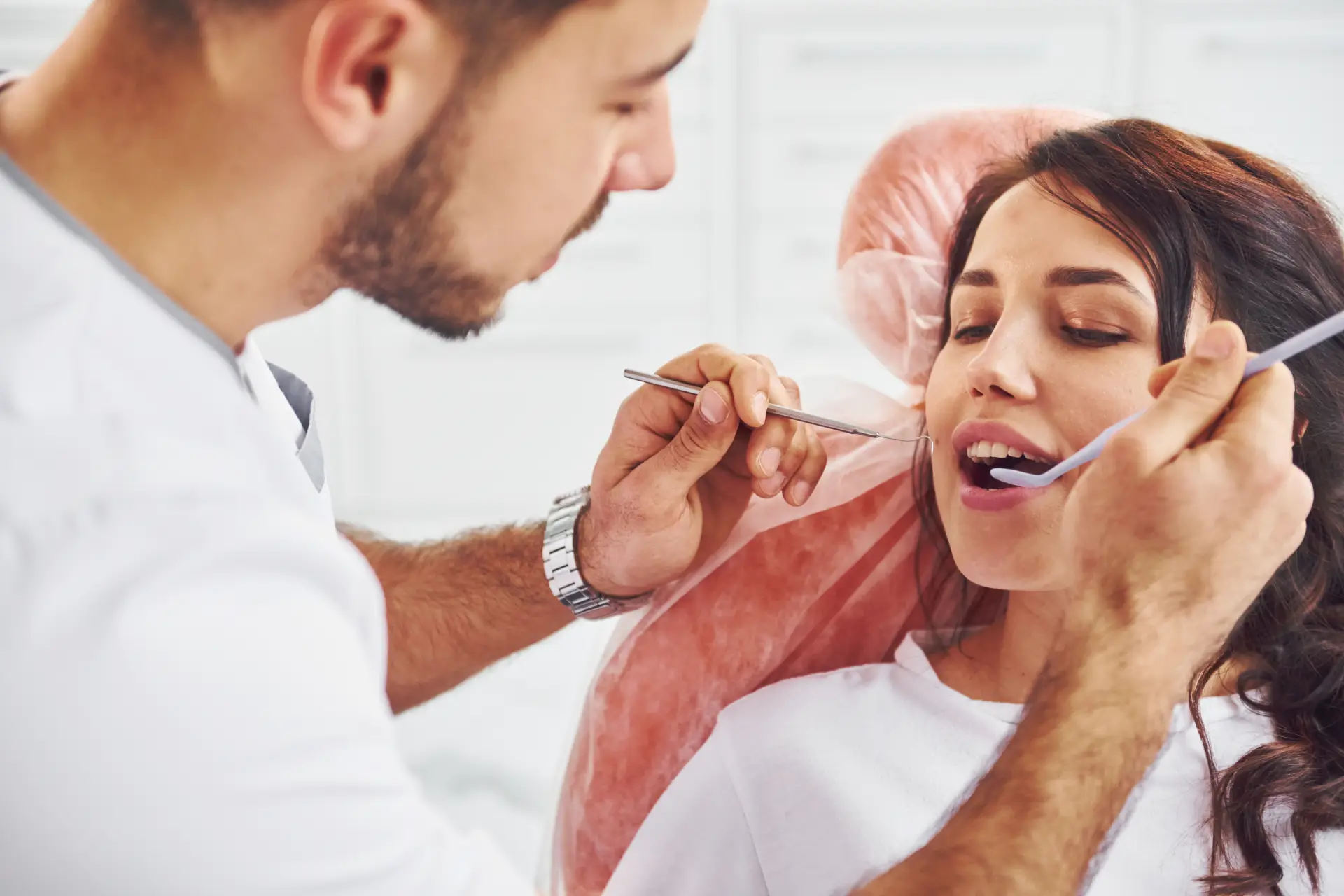
The dentist evaluates which teeth are most affected and identifies the cause. A protective splint (night guard) or orthodontic consultation may be recommended.
2. Restoration of lost enamel
Depending on severity, treatment may include:
- composite restorations
- porcelain veneers
- full-ceramic crowns (for severely damaged teeth)
These restore shape, height, and aesthetics while protecting teeth from further wear.kę zębów, a jednocześnie chroni je przed dalszym ścieraniem.
3. Causal treatment
- Bruxism → protective splint
- Reflux → gastroenterological consultation
- Acidic diet → dietary changes and remineralizing products
4. Prevention
To prevent recurrence:
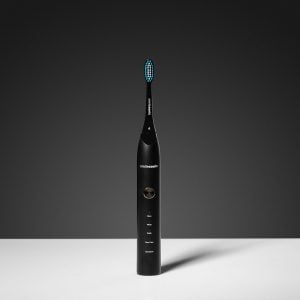
- use a soft-bristled sonic toothbrush
- choose low-abrasive toothpaste (RDA below 70)
- avoid brushing immediately after acidic meals
- reduce stress and jaw tension
Can worn teeth be restored?
Yes—modern dentistry allows full restoration of the shape and function of worn teeth. Advanced composite and ceramic materials closely mimic natural enamel, making restorations both durable and aesthetic. However, eliminating the underlying cause is essential to prevent recurrence.
FAQ – Frequently asked questions
Why do teeth wear down?
Mainly due to grinding, acidic diet, and bite issues. Less commonly from aggressive brushing or reflux.
Does tooth wear hurt?
Not at first, but it can lead to significant sensitivity over time when dentin becomes exposed.
How can tooth wear be stopped?
By identifying and eliminating the cause—using a night guard, changing diet, or improving brushing technique. Enamel-strengthening toothpaste and regular dental check-ups also help.
Can worn teeth be whitened?
No—whitening does not repair enamel and may worsen the condition. Teeth should be restored first, then aesthetic treatments can be considered.
Can tooth wear be reversed?
No—lost enamel cannot regenerate naturally. However, it can be rebuilt using modern materials like composites or ceramics.
Is bruxism the same as tooth wear?
No—bruxism is the cause (clenching/grinding), while tooth wear is the result.
What toothbrush is best for worn teeth?
A soft sonic toothbrush is recommended. Models with a pressure sensor help prevent excessive enamel abrasion.