

- Pregnancy and oral health – what happens in the body?
- Why can teeth seem to “deteriorate” during pregnancy?
- Pregnancy gingivitis – a condition not to ignore
- Expert opinion
- How to care for your teeth during pregnancy – step by step
- Is dental treatment safe during pregnancy?
- Oral changes that require a dental visit
- Professional preventive care during pregnancy
- Scientific source
- FAQ – Frequently Asked Questions
Summary:
Pregnancy is a time of significant changes in a woman’s body—including the oral cavity. Many expectant mothers notice increased tooth sensitivity, bleeding gums, and duller enamel. This is not a coincidence—hormonal fluctuations, changes in saliva composition, and frequent vomiting can promote tooth decay and inflammation. However, this does not mean that “teeth fall apart during pregnancy.” On the contrary, proper prevention and gentle yet effective oral hygiene can help maintain a healthy smile throughout pregnancy.
Pregnancy and oral health – what happens in the body?
During pregnancy, dynamic hormonal changes affect many systems, including the oral cavity. Increased levels of progesterone and estrogen lead to greater blood flow in the mucous membranes, making gums more sensitive and prone to inflammation.
According to the Polish Dental Association, as many as 60–75% of pregnant women experience symptoms of gingivitis, and nearly 40% show increased susceptibility to tooth decay. These changes are usually reversible after childbirth, but they require careful attention and regular dental check-ups.
Why can teeth seem to “deteriorate” during pregnancy?
It’s not a myth that teeth may become weaker during pregnancy—but the cause is not “the baby taking calcium from the teeth,” which is a common misconception.
The real causes include:
- Increased acidity in the mouth – vomiting and acid reflux damage enamel.
- Dietary changes – more frequent snacking and higher intake of simple sugars.
- Altered saliva composition – saliva becomes thicker and has a lower pH.
- Neglected hygiene – brushing may be shorter or less thorough due to gag reflex.
The result? A higher risk of tooth decay, tartar buildup, and gum inflammation.
Pregnancy gingivitis – a condition not to ignore
One of the most common conditions is pregnancy gingivitis, which manifests as bleeding, swelling, and gum pain. If left untreated, it can progress to periodontitis, which is associated with risks such as preterm birth and low birth weight.
According to research published in the Journal of Clinical Periodontology, women with advanced periodontal disease are 7.5 times more likely to deliver prematurely (Offenbacher et al., 2006).
Expert opinion
“Teeth don’t deteriorate because of pregnancy itself, but because of habits that are easy to neglect during this time. When combined with hormonal changes, acidic conditions after vomiting, and more frequent snacking—the risk increases. That’s why I recommend sonic toothbrushes for expectant mothers—they are gentle yet highly effective at removing plaque,” says Karolina Gut, expert at Denthelp.
How to care for your teeth during pregnancy – step by step
1. Daily home care
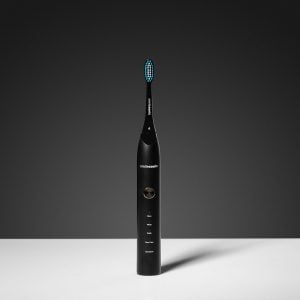
- Brush your teeth at least twice a day with a sonic toothbrush (e.g., Smilesonic EX or GO).
- Use fluoride toothpaste (around 1450 ppm fluoride).
- Floss or use an oral irrigator.
- After vomiting, rinse your mouth with water and baking soda, and wait 30 minutes before brushing.
2. Regular dental visits
Visit your dentist every 3–4 months, even if you have no symptoms. Early detection of decay or gum inflammation helps avoid more complex treatments.
3. Mineral-rich diet
Consume foods rich in calcium, phosphorus, magnesium, and vitamin D. Recommended options include:
- dairy products, eggs, fish,
- leafy green vegetables,
- nuts and seeds.
4. Healthy habits
Avoid sugary drinks and limit snacking between meals. Choose nuts or crunchy vegetables instead of sweets—they help naturally clean tooth surfaces.
Is dental treatment safe during pregnancy?
Yes! Contrary to common concerns, dental treatment during pregnancy is safe and recommended.
The best time is the second trimester, when risks to the fetus are lowest and the mother feels more stable.
Safety guidelines:
- Local anesthesia (e.g., lidocaine) is allowed.
- X-rays are performed only when necessary, with proper shielding.
- Long and stressful procedures are avoided in the first and third trimesters.
Oral changes that require a dental visit
Do not delay seeing a dentist if you notice:
- bleeding gums,
- bad breath,
- sensitivity to hot or cold,
- visible enamel damage.
These may indicate early tooth decay or gum inflammation.
Professional preventive care during pregnancy
Safe dental procedures during pregnancy include:
- scaling (tartar removal),
- air polishing (stain removal),
- fluoride treatments (enamel strengthening).
These procedures are safe, painless, and significantly improve oral health.
Scientific source
Offenbacher S., et al. (2006). Periodontal disease and preterm birth: results of a pilot intervention study. Journal of Clinical Periodontology, 33(9): 733–739.
DOI: 10.1111/j.1600-051X.2006.00992.x.
FAQ – Frequently Asked Questions
Do teeth really decay during pregnancy?
No. Pregnancy itself does not damage teeth, but hormonal changes can increase susceptibility to decay and gum disease. Proper hygiene and regular dental visits help prevent these issues.
Can dental treatment be done during pregnancy?
Yes. It is safe, especially in the second trimester. Dentists use appropriate methods and anesthesia that are safe for the baby.
What symptoms require immediate dental care?
Bleeding gums, pain, sensitivity, and swelling may indicate inflammation and should be evaluated promptly.
Can teeth be whitened during pregnancy?
Whitening is not recommended due to a lack of safety data. It’s best to postpone such procedures until after childbirth.
What toothbrush is best during pregnancy?
A sonic toothbrush (e.g., Smilesonic EX) is ideal—it provides thorough yet gentle cleaning and does not irritate sensitive gums.
Can gum inflammation affect the baby?
Yes. Untreated gum disease increases the risk of preterm birth and low birth weight. It should always be treated under dental supervision.
Is fluoride safe during pregnancy?
Yes. Fluoride in recommended amounts strengthens enamel and protects against decay. Fluoride toothpaste is recommended during pregnancy.