
- What are snus and nicotine pouches?
- What happens in the mouth with regular snus use?
- Discoloration and structural changes of teeth
- Potential risk of precancerous changes
- A safe alternative? A marketing myth
- Expert opinion
- How to minimize harm if you use snus
- Scientific sources
- FAQ – frequently asked questions
In brief:
Regular use of snus or nicotine pouches can lead to localized changes in the oral mucosa—such as irritation, leukoplakia-like patches, and gum recession—and may also make proper oral hygiene more difficult. Although they do not produce cigarette smoke, they are not “safe for teeth and gums.”
What are snus and nicotine pouches?
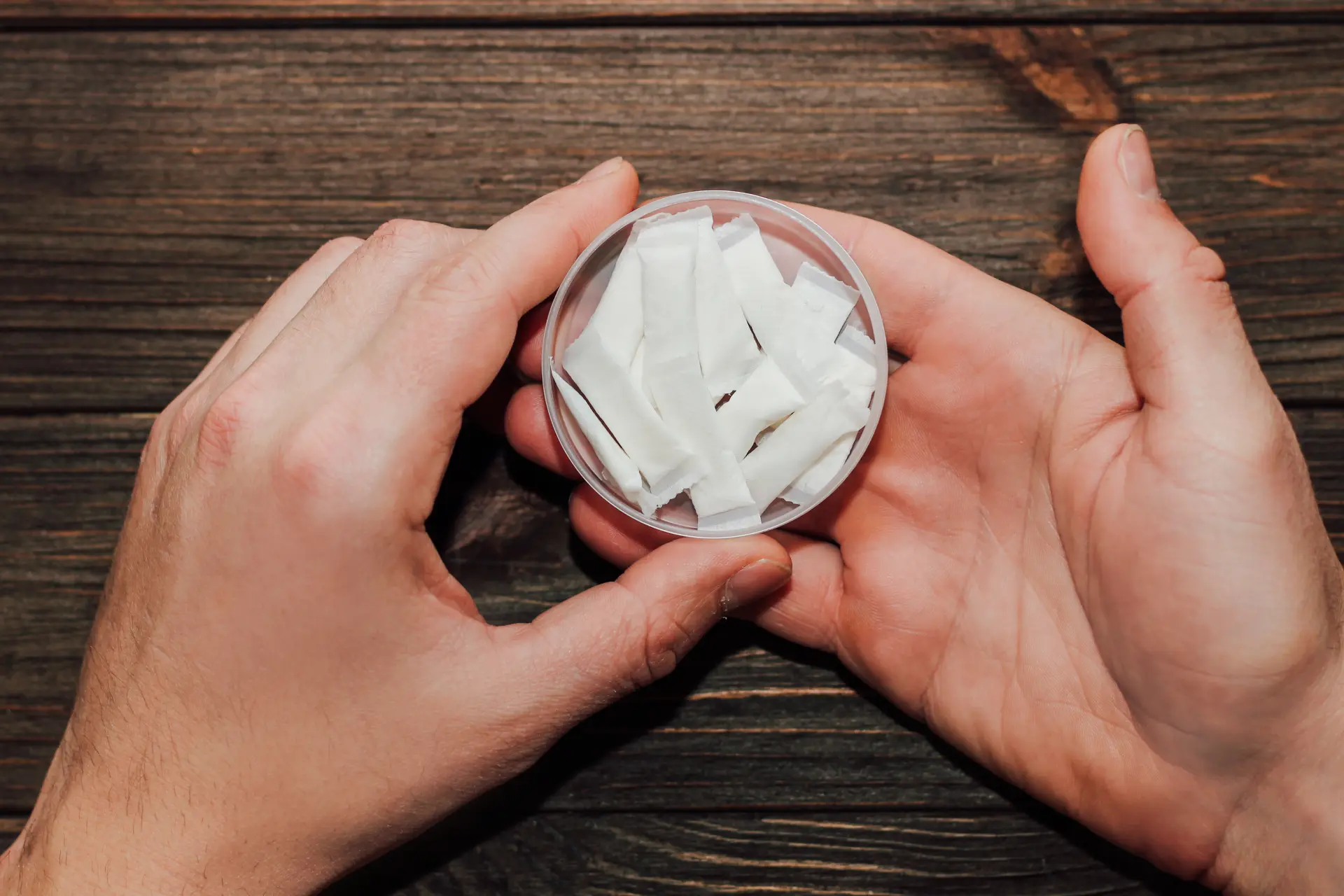
Snus is a moist form of tobacco (or nicotine) used orally—typically placed under the upper or lower lip. Nicotine pouches (“nicopouches”) are newer, sometimes tobacco-free products containing nicotine in a small portion that is also placed under the lip. Although they are used without combustion, the contact surface between nicotine, additives, and the oral mucosa remains significant.
What happens in the mouth with regular snus use?
- Irritation, mucosal changes, and gum recession
Studies show that snus users often develop mucosal changes at the application site—such as white patches, thickening, or lesions resembling leukoplakia. Additionally, around 20% of users experience gum recession at the site where the pouch is placed.
- Impaired hygiene and periodontal disease
Constant use of snus causes chronic irritation of the gums, which may weaken them, increase susceptibility to inflammation, and make flossing or brushing more difficult—especially in areas where gums have receded.
Discoloration and structural changes of teeth
Although there is no smoke, substances in snus can cause discoloration of enamel and the tongue, as well as contribute to increased plaque accumulation in hard-to-reach areas.
Potential risk of precancerous changes
Although the link between snus and oral cancer is less clear than with smoking, research suggests that local mucosal changes may represent precancerous conditions—especially with long-term use.
A safe alternative? A marketing myth
Nicotine pouches are often marketed as a “cleaner” and “healthier” alternative to cigarettes. However, the absence of smoke does not mean they are harmless. Manufacturers emphasize the lack of combustion while overlooking the impact on oral mucosa, gums, and the oral microbiome. Nicotine—regardless of its form—is addictive, affects blood circulation in tissues, and impairs regeneration. Flavorings and additives may further intensify irritation.
Expert opinion
“From my experience, many people underestimate the impact of nicotine pouches on oral health. Meanwhile, the mucosa reacts very quickly—resulting not only in discoloration but also in potentially permanent periodontal damage,” says Karolina Gut, oral health enthusiast and expert at Denthelp.
How to minimize harm if you use snus
- Rotate the placement site—avoid using the pouch in the same spot every time.
- Reduce duration and frequency—the longer and more frequent the contact, the higher the risk.
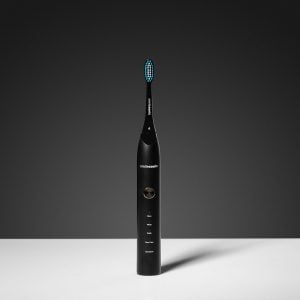
- Improve oral hygiene—use an oral irrigator and a sonic toothbrush to clean areas affected by gum changes.
- Visit your dentist and hygienist regularly—report any changes such as white patches or gum recession.
- Consider quitting—the most effective way to protect oral health is to stop using the product.
Scientific sources
“The Correlation of Swedish Snus, Nicotine Pouches and Other …” (2022) MDPI, 10 (8):154. → https://doi.org/10.3390/dj10080154 MDPI.
“What are the oral health implications of using snus? A systematic review” (2025) ScienceDirect. → https://doi.org/10.1016/j.oraloncology.2025.105341 (access 2025) ScienceDirect.
FAQ – frequently asked questions
Does snus cause oral cancer?
There is no clear evidence that snus causes oral cancer to the same extent as smoking, but it may increase the risk of precancerous mucosal changes at the site of application, which should be monitored.
Is nicotine without tobacco completely safe for gums?
No—nicotine itself affects blood flow and tissue regeneration, which may contribute to gum recession and worsening periodontal health, especially when combined with mechanical and chemical irritation.
Do snus users have poorer oral hygiene?
Often yes, as mucosal and gum changes—and initial discomfort—may lead to avoiding thorough brushing or flossing, promoting plaque buildup and periodontal disease.
Can gums recover after quitting snus?
Yes, in many cases mucosal changes and mild recession may improve after discontinuation. However, in advanced cases, gum recession may be permanent and require periodontal treatment.