
In brief:
A dental implant and a denture are two different ways to replace missing teeth. An implant acts like an artificial tooth root that permanently integrates with the bone, while a denture is a removable appliance that rests on the gums. Implants are more comfortable, stable, and durable, but they require sufficient bone conditions. Dentures are more affordable and non-surgical, but they may be less comfortable and harder to maintain.
What is a dental implant?
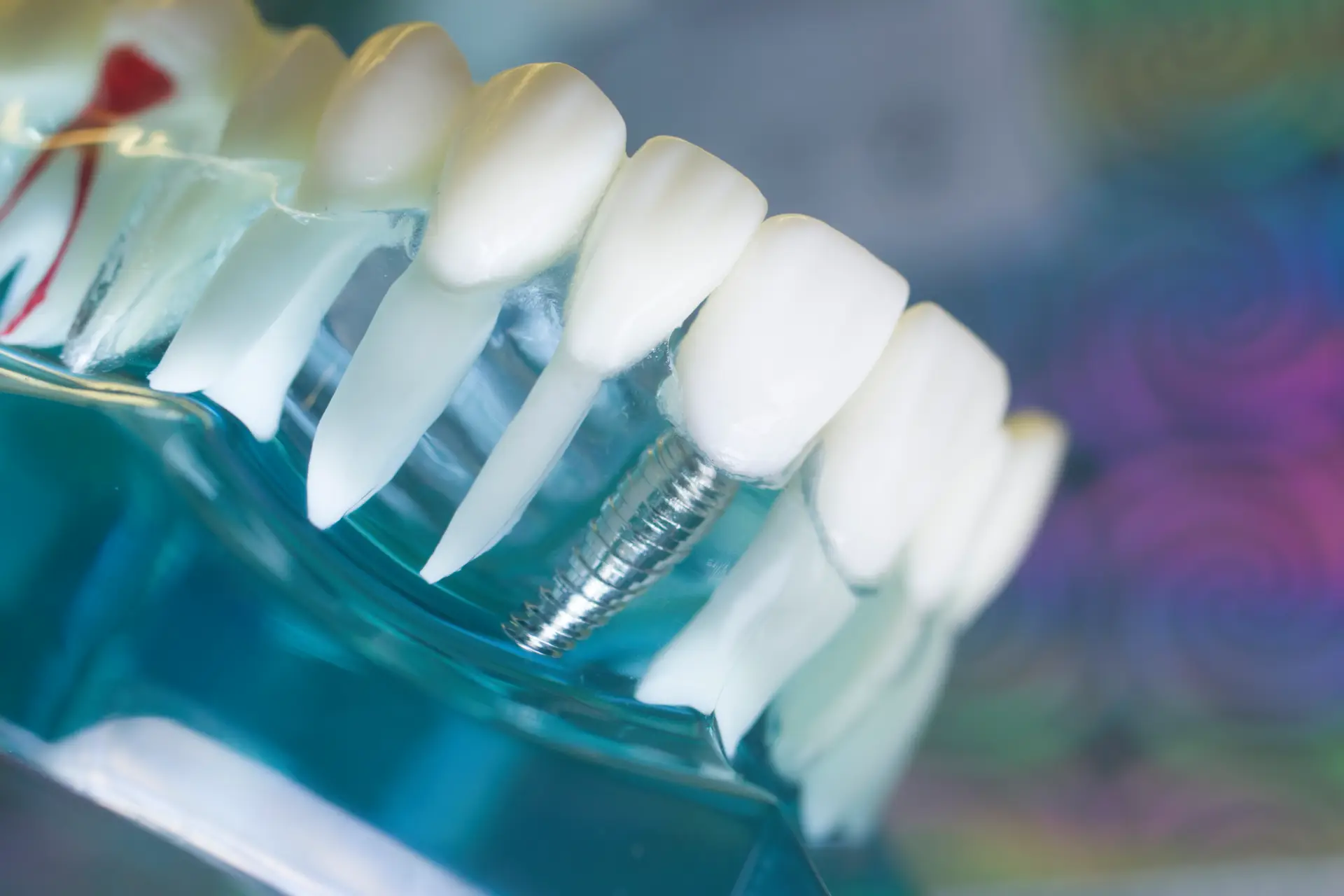
A dental implant is a titanium screw surgically placed into the jawbone, where it replaces the root of a missing tooth. A prosthetic crown—the visible part of the tooth—is then attached to it. The result looks and functions almost exactly like a natural tooth.
The implant procedure requires healthy bone and good overall patient health. Implants offer the highest level of comfort and stability—they don’t move, don’t need to be removed, and can last 20–30 years with proper care.
What is a denture?
A denture is a removable prosthetic appliance that the patient can take out. It can be:
- partial (when some teeth are missing), or
- complete (when all teeth are missing).
Traditional dentures rest on the gums or remaining teeth, and often require adhesives or special products to improve retention.
Dentures are more accessible in terms of cost, don’t require surgery, and can be made relatively quickly. However, they are generally less comfortable than implants.
Key differences between implants and dentures
| Feature | Implant | Denture |
| Stability | Very high | Moderate to low |
| Comfort | Feels natural | Requires adaptation |
| Durability | 20–30 years | 5–10 years |
| Aesthetics | Very natural look | May look less natural |
| Surgery required | Yes | No |
| Cost | Higher | Lower |
| Hygiene | Like natural teeth | Requires removal and cleaning |
Which should you choose – implant or denture?
The choice depends on several factors:
- number of missing teeth,
- bone condition (density and volume),
- overall health,
- budget,
- personal preferences regarding comfort and appearance.
For younger, more active individuals, implants are often the first choice. For older patients or those with contraindications to surgery, dentures may be a better option.
Good to know
Modern dentistry often combines both methods—for example, implant-supported dentures, which offer the stability of implants with the broader restorative capabilities of dentures. These hybrid solutions are increasingly popular and can be a practical compromise.
Oral hygiene after treatment – the key to success
Regardless of the chosen method, daily oral care is essential.
For dentures: special cleaning agents and regular removal and rinsing are necessary.
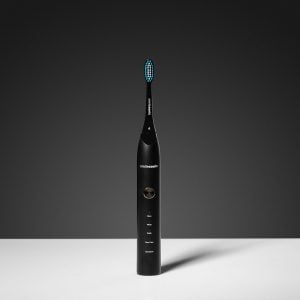
For implants: a sonic toothbrush with a “Gum Care” mode is recommended, as it cleans effectively while being gentle on the gums.
FAQ – Frequently Asked Questions
Which is better – an implant or a denture?
There’s no one-size-fits-all answer. Implants are more durable, comfortable, and natural but more expensive and require surgery. Dentures are more affordable and accessible but less stable and comfortable.
Are implants painful?
The procedure is performed under local anesthesia, so it is not painful. Some mild discomfort may occur afterward but usually subsides within a few days.
How much does a dental implant cost?
The price varies by region and clinic, but on average ranges from PLN 3000 to 6000 per tooth (including the crown). It’s a long-term investment.
Are dentures comfortable?
Modern dentures are much more comfortable than older models, but they still require an adaptation period. Some patients may experience discomfort while eating or speaking.
Can you clean an implant with a sonic toothbrush?
Yes. Sonic toothbrushes are recommended—they effectively remove plaque, are gentle on the gums, and reach difficult areas around the implant.
How long does a denture last?
Typically between 5 and 10 years, depending on quality, anatomical conditions, and daily care.
Can an implant be rejected?
Yes, but it’s rare. Implant failure occurs in about 2–5% of patients and is usually related to poor hygiene or systemic health conditions.