

- Cold compress — the first line of defense
- Herbal infusions and rinses
- Cloves — small but highly effective
- Peppermint and tea tree oil
- Salt — a simple but effective ally
- Honey and propolis — nature at its purest
- Support with painkillers
- Oral hygiene — the absolute foundation
- Czego NIE robić?
- Kiedy domowe sposoby nie wystarczą?
- Podsumowanie
Toothache is one of those conditions that always seems to strike at the worst possible moment — in the middle of the night, during the weekend, or on vacation when dental offices are closed. Sometimes it is a mild, dull ache; other times it is a sharp, throbbing pain that makes eating, speaking, or sleeping impossible. What should you do when professional dental help is unavailable? It is worth knowing several proven home remedies that may provide temporary relief and help you get through the wait until you can see a dentist.
Cold compress — the first line of defense
When tooth pain is associated with swelling, inflammation, or trauma, applying a cold compress can bring immediate relief. Cooling the tissues from the outside of the cheek reduces blood flow and lowers pressure around the painful tooth. Simply wrap ice cubes in a thin towel or use a gel cold pack from the freezer and apply it to the face for 10–15 minutes. This can be repeated every half hour, taking care not to frostbite the skin. Cold works as a natural anesthetic and can be especially effective for pain after injuries or gum swelling.
Herbal infusions and rinses
Herbs are one of the oldest and most natural methods of relieving oral pain. Sage, chamomile, thyme, and oak bark infusions are particularly recommended. Sage and chamomile have anti-inflammatory and antiseptic properties, helping to cleanse the mouth and reduce swelling. Thyme and oak bark enhance this effect thanks to their astringent and antibacterial qualities.
The herbs are best prepared using the ratio of 1 tablespoon of dried herbs per 1 cup of boiling water. Let the mixture steep for 10–15 minutes, cool it to a lukewarm temperature, and rinse your mouth 2–3 times daily. These rinses not only soothe pain but also help fight bacteria and support tissue regeneration.
Cloves — small but highly effective
Cloves are extremely effective because they contain eugenol, a natural compound with anesthetic and disinfecting properties. There are two ways to use them. The first is to gently bite down on a whole clove near the painful tooth — this slowly releases the oil and works locally. The second option is to soak a cotton swab in diluted clove oil and place it against the gum.
It is important not to use undiluted clove oil, as it may burn the delicate oral mucosa. Cloves work especially well for sharp, sudden tooth pain.
Peppermint and tea tree oil
Peppermint contains menthol, which provides a cooling and mildly numbing effect, while tea tree oil is known for its strong antibacterial properties. Combining these ingredients may help relieve inflammation. A few drops of diluted peppermint or tea tree oil can be applied to a cotton pad and gently placed on the painful area.
This method not only eases discomfort but also helps reduce bacterial growth in the mouth. However, essential oils should never be applied directly to the gums in pure form — they must always be diluted and should not be used in children.
Salt — a simple but effective ally
Rinsing the mouth with a saltwater solution is one of the simplest and most effective supportive methods. Salt acts as a natural antiseptic — it helps cleanse the mouth, reduce inflammation, and flush out food debris from hard-to-reach areas.
Simply dissolve half a teaspoon of table salt in a glass of warm (not hot!) water and rinse the mouth thoroughly for about 30 seconds. This can be repeated several times a day, especially after meals. It is particularly helpful for gum inflammation and periodontal sensitivity.
Honey and propolis — nature at its purest
Honey — especially raw, unpasteurized honey — and propolis (bee glue) have strong anti-inflammatory and antibacterial properties. They act like a natural dressing, soothing irritation, supporting healing, and reducing pathogens in the mouth.
You can apply a small amount of honey to the painful area or use a ready-made propolis solution. It is important not to eat or drink for at least 20 minutes after application. These methods are gentle and suitable even for people with sensitive gums.
Support with painkillers
In cases of severe pain, when home remedies are not enough, over-the-counter pain medications may help. Paracetamol mainly provides pain relief and is gentle on the stomach, while ibuprofen combines pain-relieving and anti-inflammatory effects.
It is important not to combine several medications without consulting a doctor, not to exceed recommended doses, and to use them only temporarily — until you can visit a dentist.
Oral hygiene — the absolute foundation
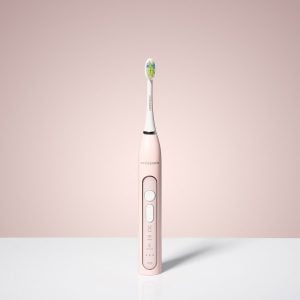
Although it may seem obvious, it is worth repeating: thorough but gentle brushing is the foundation of fighting tooth pain. Bacteria remaining in the mouth may worsen inflammation and cause additional irritation.
Brush your teeth with a soft toothbrush, use a gentle toothpaste (for example, one designed for sensitive teeth), and avoid very hot or very cold drinks. Keeping the mouth clean may not eliminate the pain entirely, but it can significantly prevent it from getting worse.
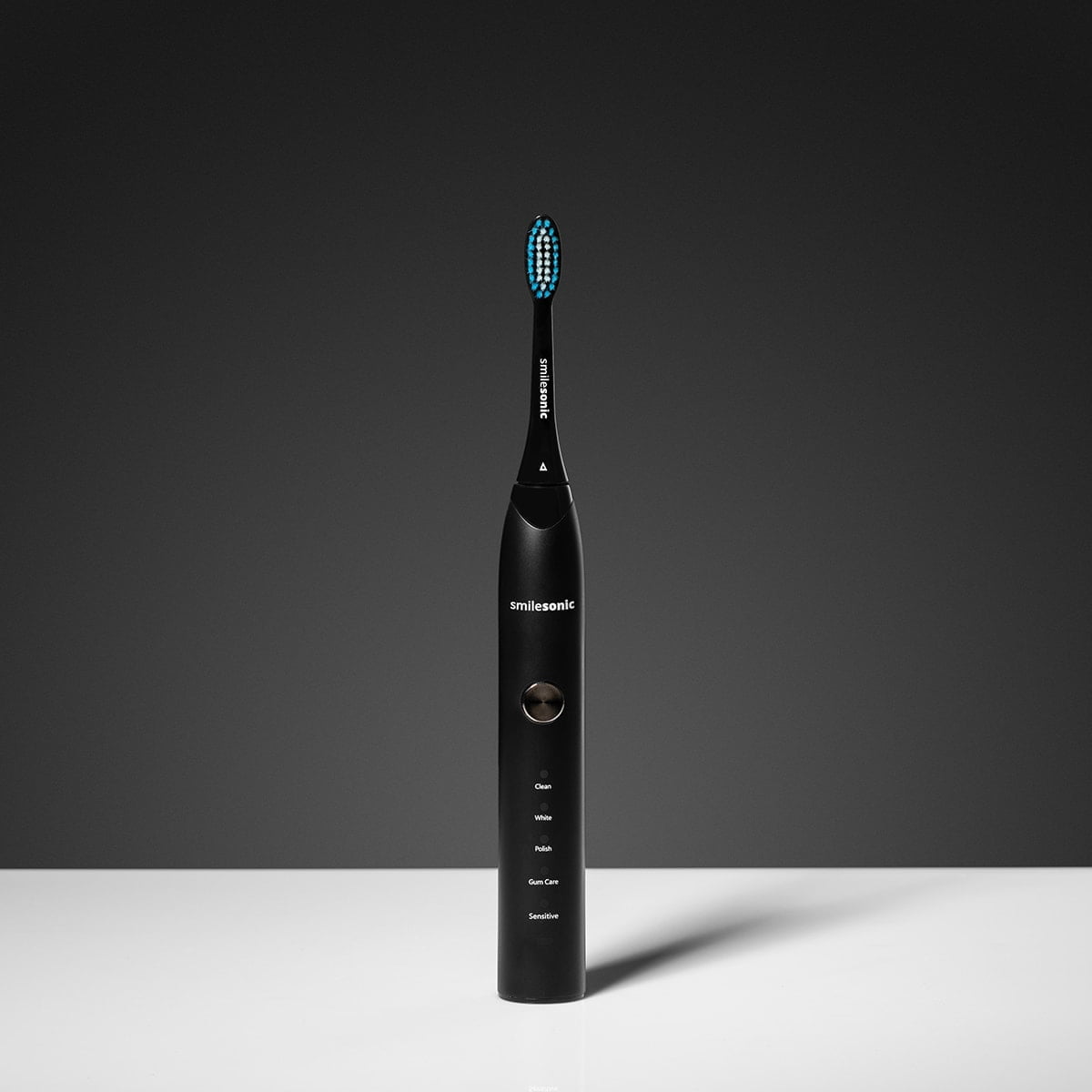
€106.00Select options This product has multiple variants. The options may be chosen on the product page
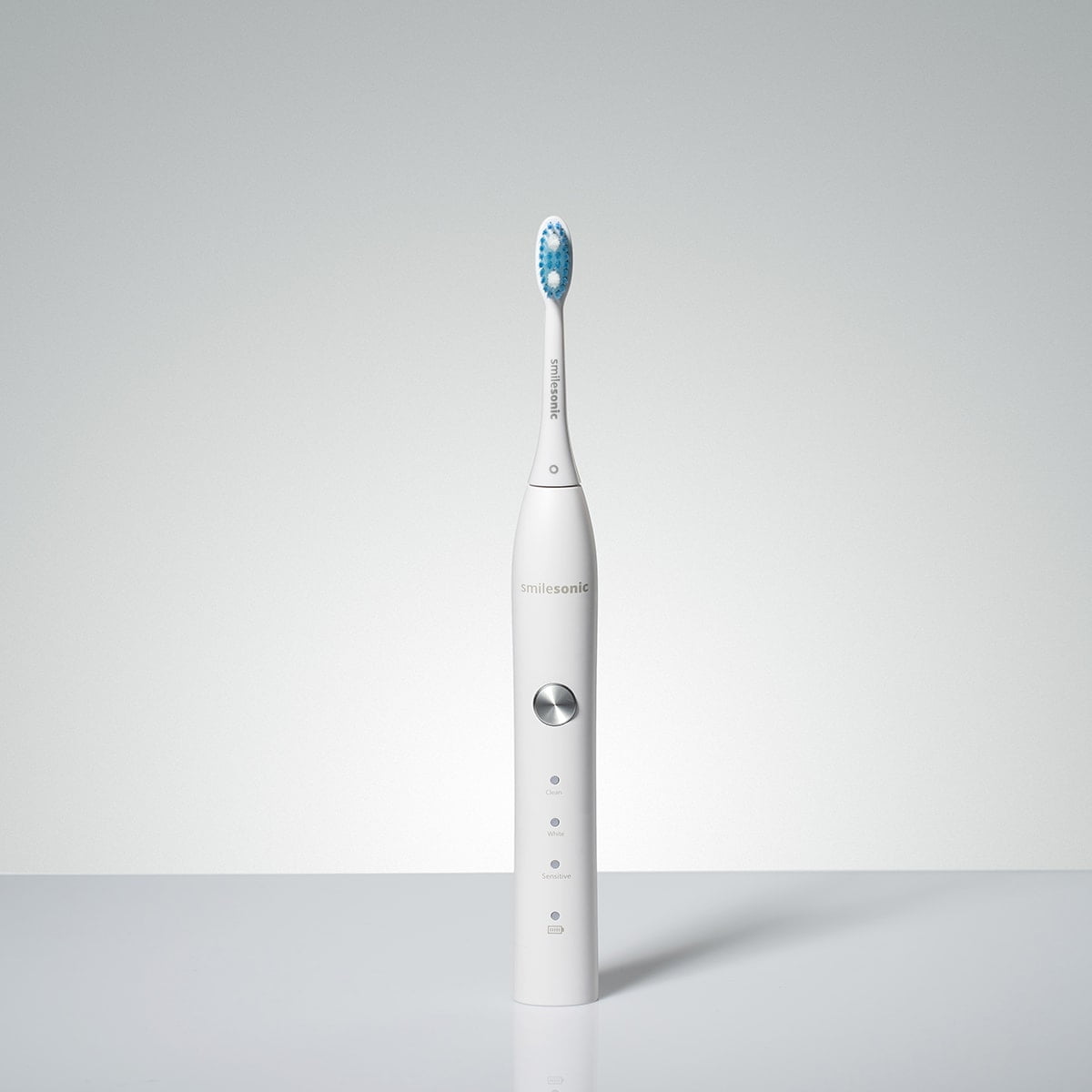
€77.00Select options This product has multiple variants. The options may be chosen on the product page
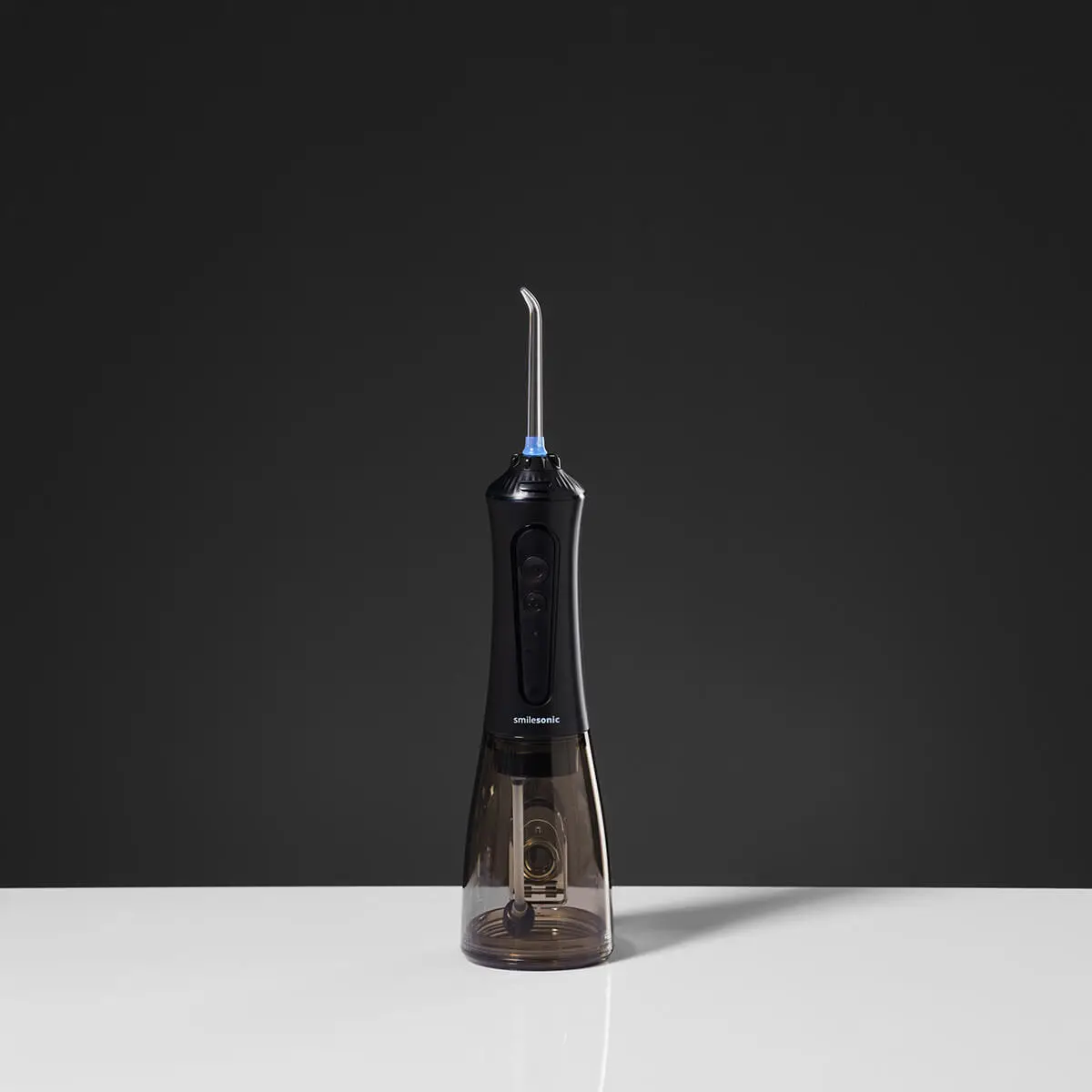
€68.00Select options This product has multiple variants. The options may be chosen on the product page
€67.00Select options This product has multiple variants. The options may be chosen on the product page
Czego NIE robić?
Oto kilka wskazówek, czego nie robić, gdy boli Cię ząb:
- Nie przyklejaj tabletek przeciwbólowych do dziąseł – mogą wywołać oparzenia chemiczne.
- Nie stosuj alkoholu w roli „znieczulenia” – działa drażniąco.
- Nie nagrzewaj bolącego miejsca – może to nasilić stan zapalny.
- Nie próbuj „dłubać” przy zębie igłą, wykałaczką czy innym ostrym przedmiotem.
Kiedy domowe sposoby nie wystarczą?
Domowe metody mogą przynieść chwilową ulgę, ale nie zastąpią leczenia stomatologicznego. Bezwzględnie zgłoś się do dentysty, jeśli:
- ból nie ustępuje po 48 godzinach,
- pojawia się opuchlizna twarzy lub dziąseł,
- masz gorączkę,
- ból nasila się przy nadgryzaniu lub dotyku,
- w Twojej jamie ustnej występuje sączący się płyn (może świadczyć o ropniu).
Podsumowanie
Domowe sposoby na ból zęba mogą być skuteczne, ale tylko tymczasowo. Zimne okłady, ziołowe płukanki, goździki, miód, sól i olejki eteryczne potrafią złagodzić objawy oraz pomóc przetrwać do wizyty u stomatologa. Nie są jednak zamiennikiem leczenia – traktuj je jako koło ratunkowe, a nie rozwiązanie problemu. Regularna higiena jamy ustnej, szybka reakcja na niepokojące objawy i konsultacja ze specjalistą to najpewniejsza droga do zdrowego uśmiechu.