

- Why and when do we start chewing gum?
- How does excessive gum chewing affect the body and oral cavity?
- Overlooked risks – when does gum chewing become a problem?
- How to care for your oral health if you chew gum – or want to reduce the habit
- FAQ – najczęstsze pytania o żucie gumy i jego wpływ na jamę ustną
In brief:
Regular, intensive gum chewing can lead to overload of the temporomandibular joint (TMJ), strain on the chewing muscles, bite disorders, and may negatively affect the condition of teeth and gums. Although chewing gum is often seen as a simple way to freshen breath or reduce stress, frequent use can do more harm than good.
Why and when do we start chewing gum?
Chewing gum serves several functions in everyday life:
- freshening breath after meals or in stressful situations,
- replacing habits like snacking or smoking,
- stimulating saliva production (“I chew, so I snack less”),
- relieving muscle tension in the jaw or face (often unconsciously).
It may seem harmless—but when gum is chewed frequently and for long periods, it can take on a parafunctional (harmful habit) role.
How does excessive gum chewing affect the body and oral cavity?
- Chewing muscles and the temporomandibular joint
Chewing engages the masticatory muscles (masseter and temporalis) and the TMJ. Studies show that excessive chewing can lead to muscle fatigue, pain, and joint overload. Some experiments found that people who chewed gum for extended periods developed symptoms similar to TMJ disorders—pain and muscle fatigue.
As a result, this may lead to: pain radiating to the temples or neck, clicking in the joint, limited mouth opening.
- Impact on bite and tooth alignment
Long-term, one-sided, or uneven chewing can overload specific teeth, leading to enamel wear, loss of bite height, or asymmetry in jaw function. In extreme cases, this can alter occlusion and contribute to TMJ disorders.
- Enamel, teeth, and gums
Although sugar-free gum may have some benefits (like increased saliva flow), frequent chewing—especially of gum containing sugar—can increase the risk of enamel demineralization, plaque buildup, and tooth decay.
Additionally, constant mechanical stress may cause: gum irritation in frequently used areas, microdamage to enamel, tooth sensitivity.
- Systemic effects
Intensive chewing may increase muscle activity and pressure in the jaw, which can contribute to headaches, neck and shoulder pain, and general craniofacial discomfort. It may also increase saliva production and intraoral pressure, which can be uncomfortable for sensitive individuals.
Overlooked risks – when does gum chewing become a problem?
Chewing gum becomes problematic when it shifts from occasional use to a habit or “exercise” for the jaw. Warning signs include:
- chewing gum almost all day instead of occasionally,
- pain in the jaw, temples, neck, or head,
- clicking, noises, or limited mouth opening,
- worn teeth, sensitivity when biting, or TMJ dysfunction,
- frequent use of very hard or long-lasting gum.
In such cases, it’s worth limiting the habit and considering a consultation with a specialist.
How to care for your oral health if you chew gum – or want to reduce the habit
Proper oral hygiene
- Use a sonic toothbrush (e.g., Smilesonic GO, EX, or UP models), which helps effectively clean teeth and gums and counteracts the effects of excessive chewing.
- Reduce brushing pressure—overloaded teeth may be more sensitive; pressure sensors can help prevent damage.
- Use an oral irrigator or interdental brushes—chewing gum can promote buildup in hard-to-reach areas.
- Floss daily to remove plaque and bacteria where a toothbrush cannot reach.
Reducing gum chewing and alternatives
- Limit chewing time—for example, 5–10 minutes after meals instead of constant chewing.
- Choose sugar-free gum to reduce the risk of tooth decay.
- Replace gum with short jaw relaxation exercises: brief conscious chewing followed by rest.
- If TMJ overload is suspected: try gentle massage of chewing muscles, warm compresses, avoiding hard foods, and consult a physiotherapist or dentist.
Excessive gum chewing may seem harmless, but over time it can significantly affect oral health and overall comfort. Moderation—and awareness—make all the difference.
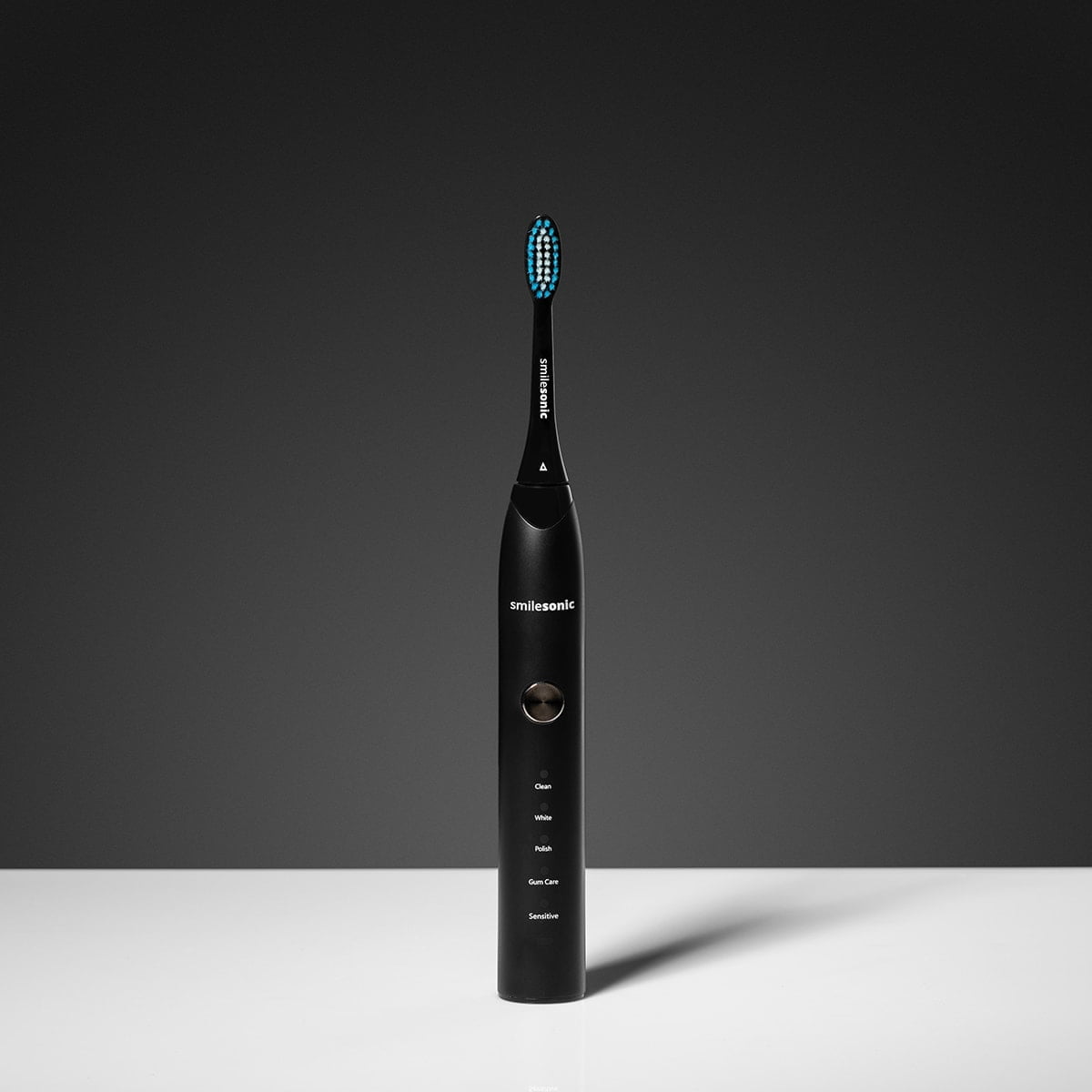
€77.00Select options This product has multiple variants. The options may be chosen on the product page

€67.00Select options This product has multiple variants. The options may be chosen on the product page
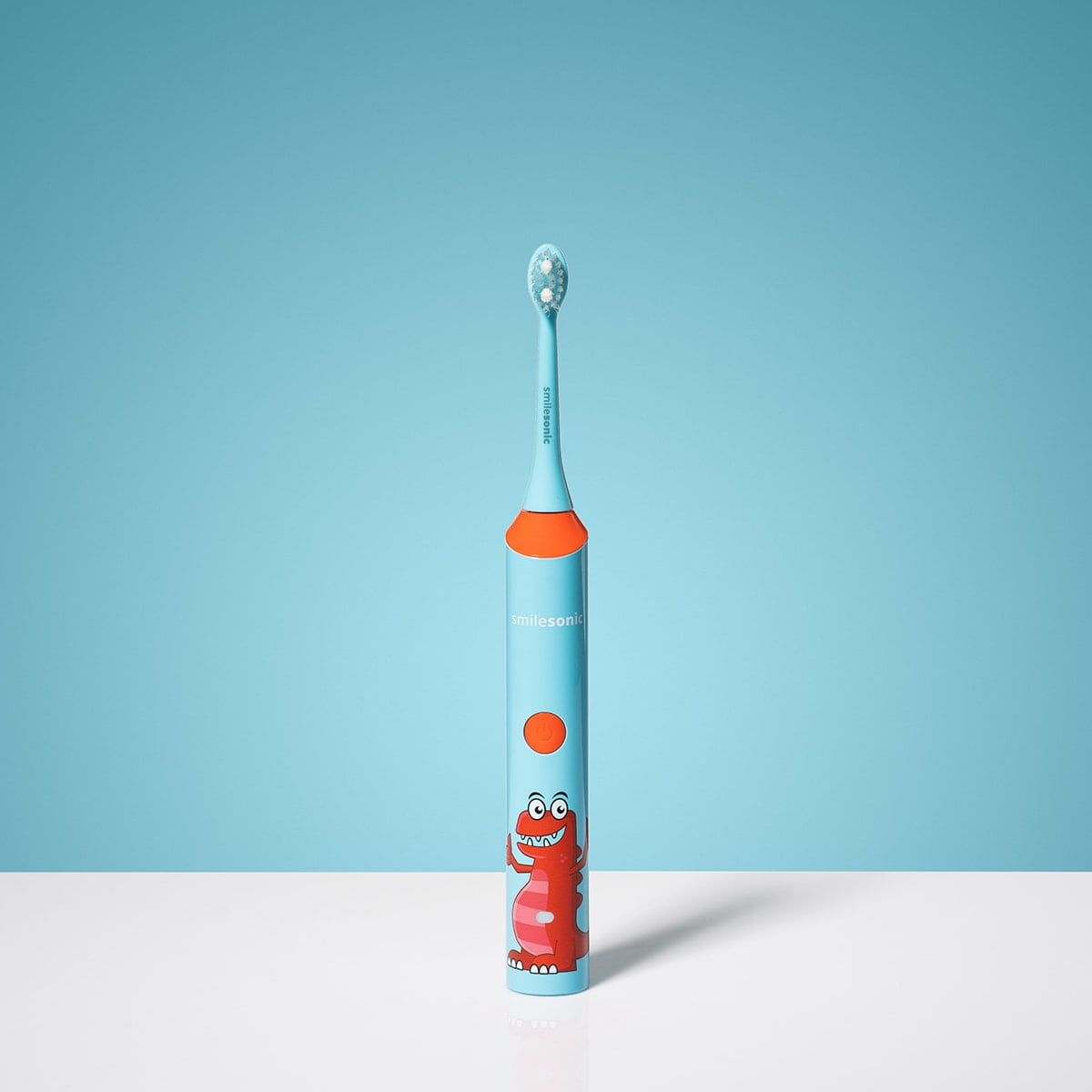
€51.00Select options This product has multiple variants. The options may be chosen on the product page
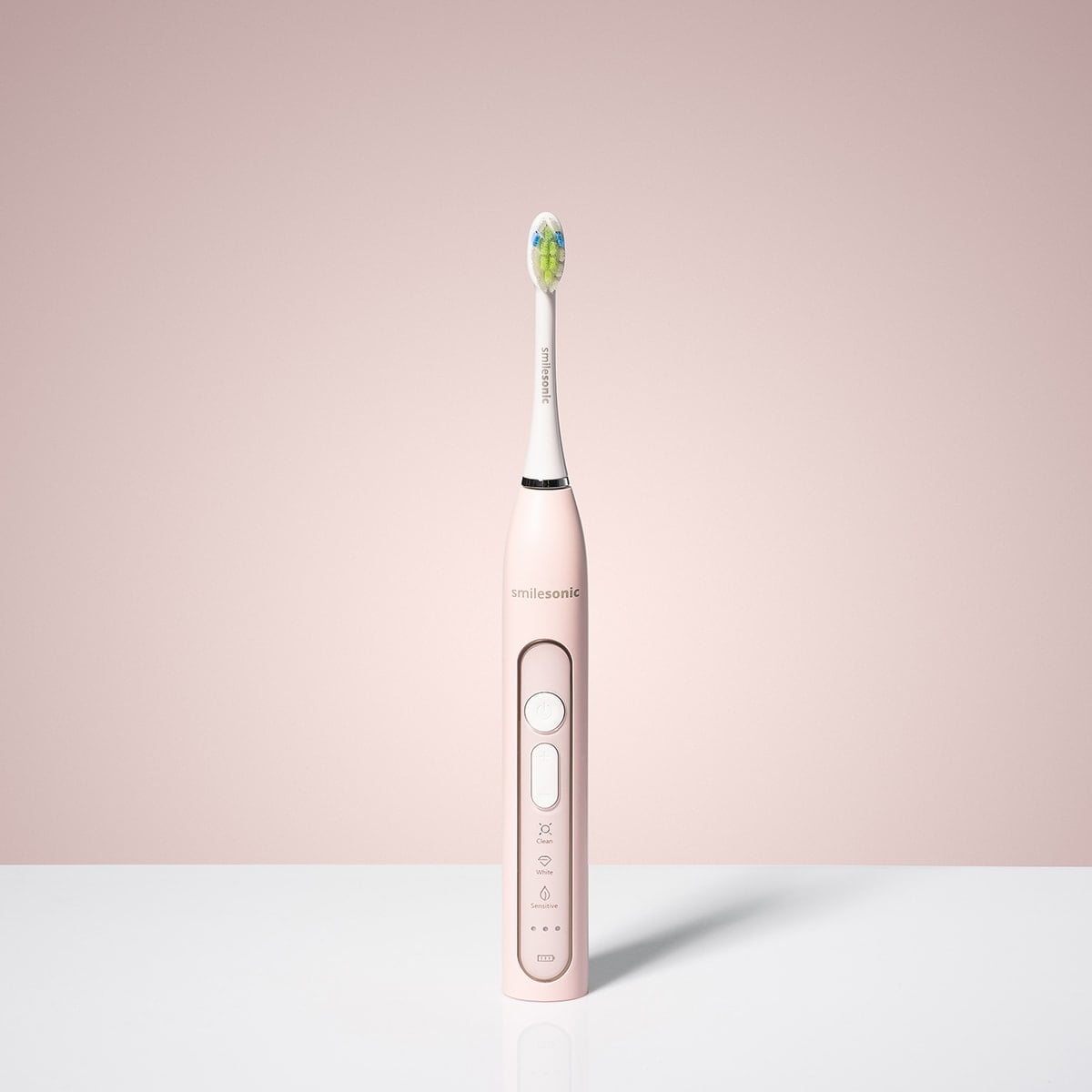
€106.00Select options This product has multiple variants. The options may be chosen on the product page
Źródło naukowe
Badanie: Al Sayegh S. i in., „Experimental pain and fatigue induced by excessive gum chewing”, BMC Oral Health, 2020. BioMed Central