

- What are cloves and where do their properties come from?
- Do cloves help with toothache?
- How to use cloves for toothache?
- How long does the pain relief last?
- Are cloves safe?
- When cloves are NOT enough
- Other home remedies for toothache (temporary relief)
- Podsumowanie: goździki – pomocna ulga, ale nie leczenie
Toothache can appear suddenly and completely throw you off balance – throbbing, dull, sharp, or radiating pain that spreads to the ear or jaw. When you don’t have access to a dentist or need immediate relief, many people turn to natural pain remedies. One of the oldest and most commonly recommended home methods is cloves – dried flower buds of the clove tree. But does it actually work? And if so – how should it be used to truly bring relief?
In this article, we look at whether cloves really help with toothache, what medicine says about it, how to use them, and when they absolutely should not replace a dental visit.
What are cloves and where do their properties come from?
Cloves (Latin: Syzygium aromaticum) are not only a popular spice used in compotes, meat dishes, or mulled wine. For centuries, they have also been used in natural medicine, especially for pain relief and inflammation in the oral cavity.
Their effects come from eugenol – a natural chemical compound that:
- has analgesic (pain-relieving) properties by blocking pain receptors,
- has anti-inflammatory and antiseptic effects,
- inhibits the growth of bacteria and fungi,
- gently numbs the area where it is applied.
Eugenol has been used in dentistry for decades – as an ingredient in temporary fillings and disinfecting agents.
Do cloves help with toothache?
Yes – but conditionally. Cloves can provide temporary relief from toothache, especially if the pain is caused by:
- exposed dental pulp,
- mild gum inflammation,
- tooth sensitivity,
- minor mechanical irritation (e.g. after eating).
However, they are not a medicine – they do not treat the cause of the pain, do not remove decay, do not reverse infections, and do not replace dental treatment. They only work symptomatically, usually for a few hours. In some cases, they may even irritate the tissue – especially with large cavities or bleeding gums.
How to use cloves for toothache?
Whole cloves:
Take 1–2 cloves and place them near the painful area (e.g. between the cheek and the aching tooth).
Gently bite them or leave them in place – after a while you should feel mild numbness and relief.
Hold for a few minutes, do not swallow.
Ground cloves:
Crush cloves in a mortar or grind them.
The powder can be placed on gauze and applied to the painful area.
This method is more intense but may also irritate the oral mucosa more strongly.
Clove oil:
Available in pharmacies and herbal stores.
Dilute 1–2 drops of oil in a teaspoon of carrier oil (e.g. coconut oil or olive oil).
Soak a cotton swab and apply it to the painful tooth for a few minutes.
Warning: never apply undiluted clove oil directly – it may cause burns to the mucous membrane.
How long does the pain relief last?
Relief after using cloves may last from 30 minutes to 2–3 hours, depending on the cause of pain, sensitivity, and application method. If the pain does not subside or worsens, do not wait – see a dentist as soon as possible.
Are cloves safe?
In most cases – yes. It is a natural remedy, safe for adults and children over 6 years old (as long as the child does not swallow the clove or oil).
Do not use cloves if you:
- are allergic to eugenol,
- have a deep open wound in the mouth,
- are pregnant (caution with essential oils),
- have liver disease (excess eugenol may burden it).
When cloves are NOT enough
Cloves can help, but they do not solve the problem. Contact a dentist if:
- pain lasts longer than 2 days,
- it worsens despite treatment,
- you have fever, swelling, or difficulty opening your mouth,
- visible cavities, pus, or bleeding appear,
- you are after root canal treatment or dealing with an infection.
Do not wait for the condition to worsen – toothache is often a sign of inflammation that requires medical intervention.
Other home remedies for toothache (temporary relief)
In addition to cloves, relief may come from:
- rinsing the mouth with salt water or sage infusion,
- a cold compress on the cheek (not directly on the tooth),
- painkillers (paracetamol, ibuprofen – according to the leaflet),
- avoiding hot, cold, or sweet foods.
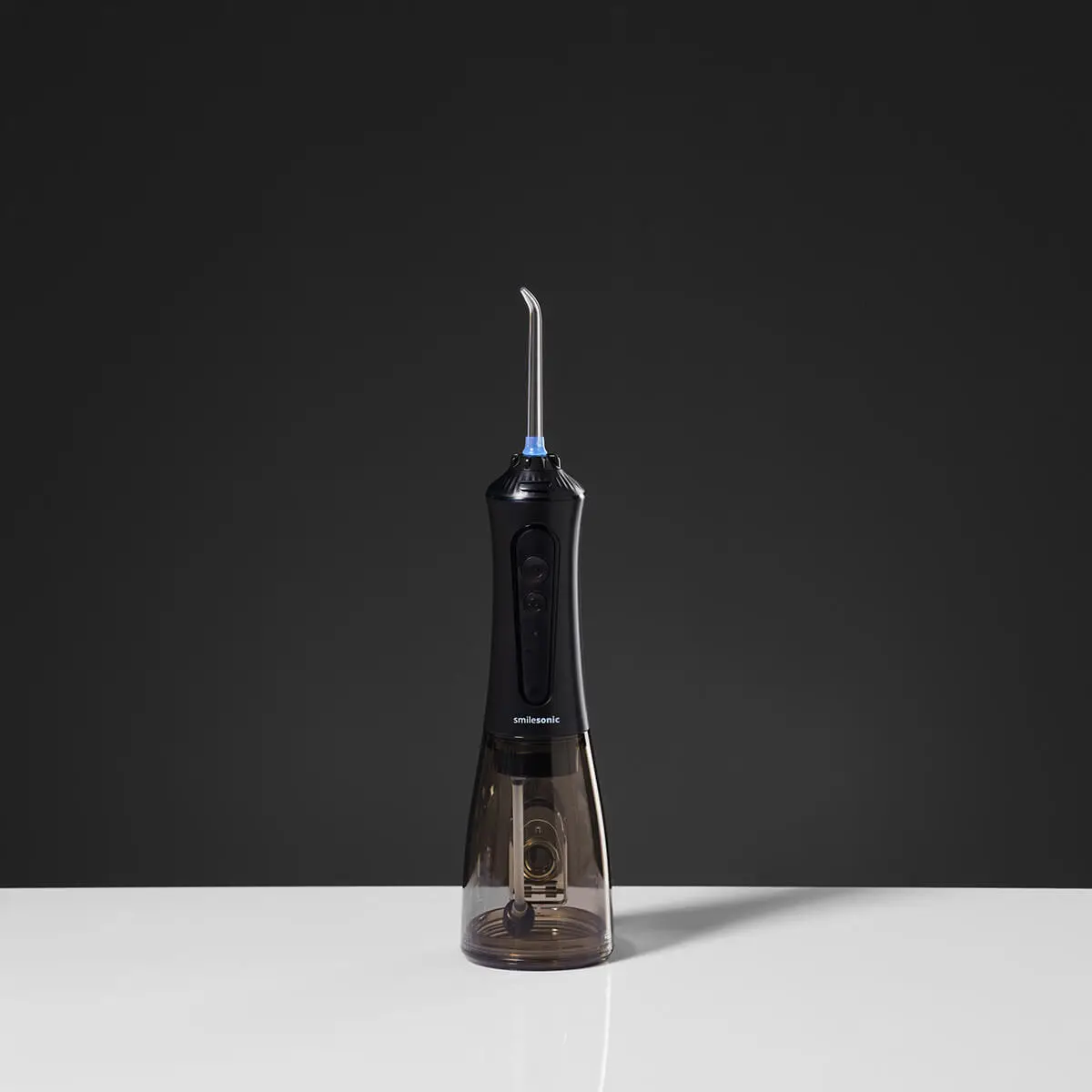
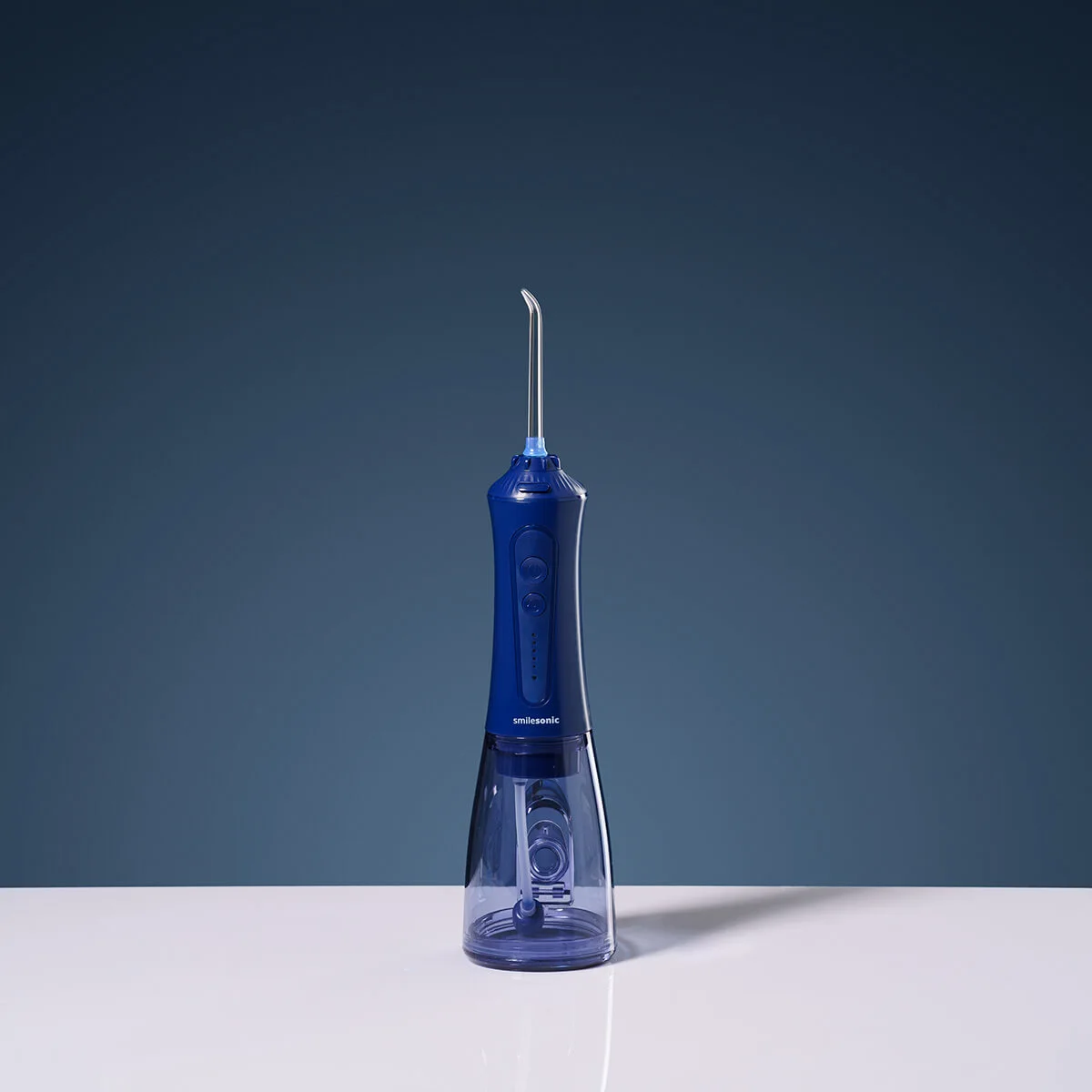
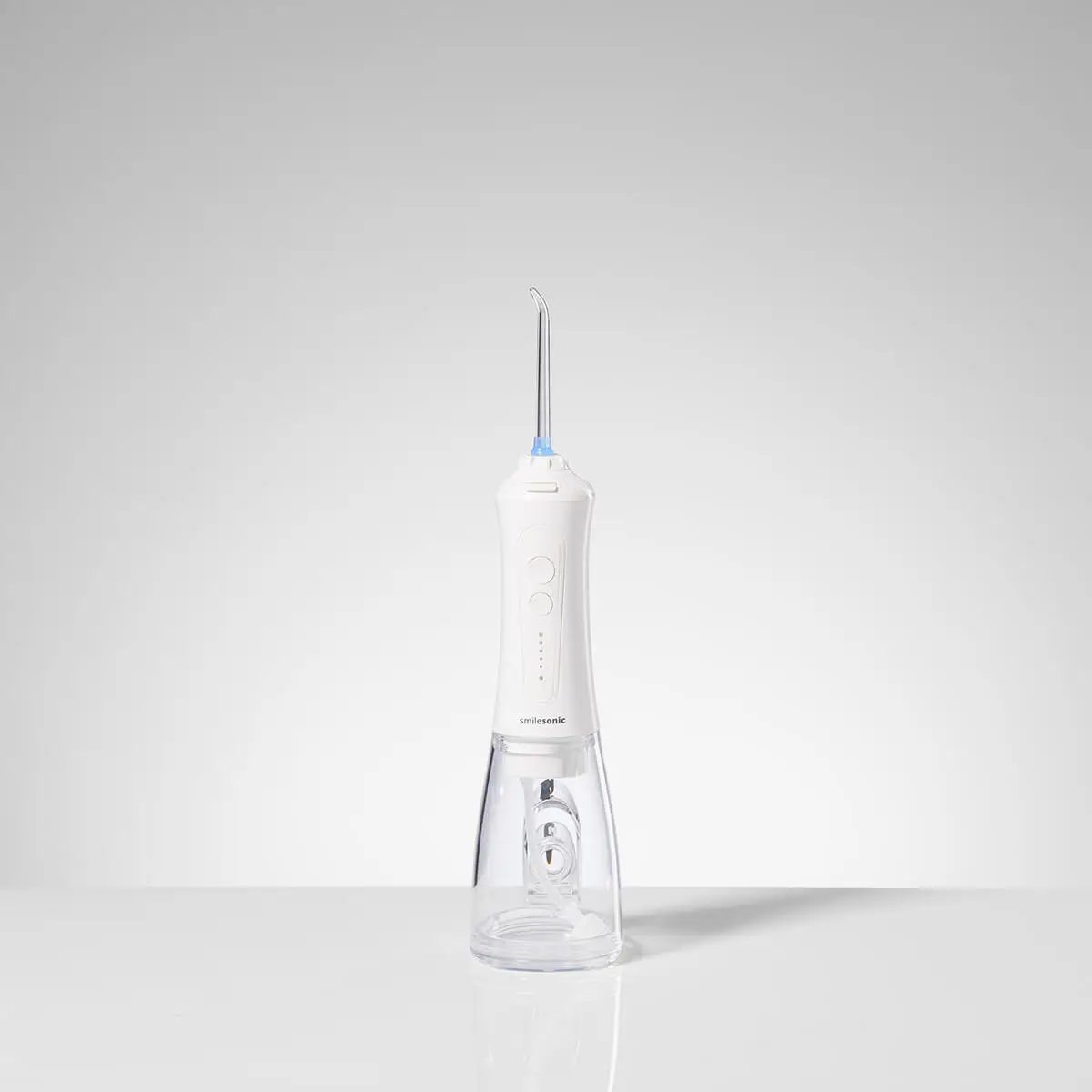
It is also worth using gentle cleaning with an oral irrigator, such as the Smilesonic AquaFlow – which flushes food debris from hard-to-reach areas and acts gently on the gums, helping prevent pain from worsening.

Podsumowanie: goździki – pomocna ulga, ale nie leczenie
Goździki mogą skutecznie złagodzić ból zęba na krótki czas – dzięki zawartości eugenolu działają przeciwbólowo, odkażająco i miejscowo znieczulająco. Są naturalnym, bezpiecznym środkiem wspomagającym, ale nie zastępują leczenia stomatologicznego.
Jeśli czujesz, że z zębem dzieje się coś poważniejszego – nie odkładaj wizyty u dentysty. Goździki mogą Ci pomóc przetrwać noc czy weekend, ale nie usuną przyczyny problemu.