

In short:
Dentophobia, or an intense fear of the dentist, may stem from unpleasant experiences, fear of pain, or loss of control. If left untreated, this fear often leads to avoiding dental visits, which worsens oral health. The key to overcoming it lies in understanding the mechanisms of fear, an empathetic approach from the dentist, modern treatment techniques, and consistent home hygiene that reduces the need for invasive procedures.
What is dentophobia?
Dentophobia is a persistent, often paralyzing fear of dental visits or dental procedures. While mild stress before a check-up is common, dentophobia often leads to complete avoidance of treatment—even in cases of severe pain or visible dental problems.
It affects both children and adults and can lead to serious health consequences—not only for the mouth but also for overall health.
Main causes of dentophobia
Fear of the dentist can have many sources. The most common include:
- Negative past experiences – painful or stressful procedures, especially from childhood
- Fear of pain or the sound of the drill – one of the most common causes
- Feeling of helplessness and loss of control – lying position, limited communication, inability to “escape”
- Shame – about the condition of the teeth, bad breath, or decay
- Secondary fears – learned from parents, friends, or frightening stories
How does dentophobia affect health?
People with dentophobia often postpone dental visits until the problem becomes severe. Unfortunately, the longer they wait, the higher the risk of:
- progressing tooth decay and infections
- gum and periodontal disease
- tooth extraction
- reduced self-esteem and quality of life
Even worse, avoiding the dentist reinforces the fear, creating a vicious cycle—more advanced problems lead to more complex and intimidating treatments.
What can help overcome the fear?
1. Choosing the right dental clinic
A patient-friendly clinic that focuses on communication and empathy can completely change the experience. It is worth finding a dentist who understands patient anxiety and knows how to ease it.
2. Gentle and consistent oral hygiene
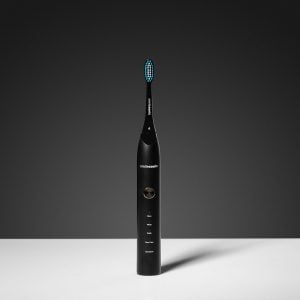
Daily oral care reduces the need for dental interventions. Regular use of a sonic toothbrush or irrigator can help prevent many problems.
3. Relaxation techniques
Simple breathing exercises before a visit, meditation, or listening to music through headphones can significantly reduce tension.
4. Gradual desensitization
It is helpful to start with a simple check-up and familiarization with the clinic and staff. Sometimes just being in a friendly environment is enough to break the first barriers.
5. Psychological support
In cases of severe phobia, therapy—especially cognitive-behavioral therapy—can be very helpful.
Expert opinion (Denthelp)
“From my experience, most people with dentophobia do not need therapy—they need the right approach. If a patient feels understood, can talk openly, ask questions, and knows what to expect, their anxiety decreases significantly. It is also worth starting with a non-treatment visit, such as a check-up. Gradual exposure really works,” says Karolina Gut, expert at Denthelp.
Scientific source
More information about the causes and treatment of dentophobia can be found in a scientific review published in Dentistry Journal: MDPI: Dental Fear and Anxiety in Adults – A Review.
FAQ – Frequently Asked Questions About Dentophobia
Is dentophobia a mental illness?
No, it is not classified as a mental illness but as a specific phobia. However, it can significantly affect daily functioning.
What are the symptoms of dentophobia?
Symptoms include rapid heartbeat, sweating, shortness of breath, nausea, and panic attacks before or during a dental visit.
Can dentophobia be cured?
Yes, in many cases it can be improved through a supportive dentist’s approach and gradual exposure. In more severe cases, psychotherapy may help.
Is modern dental treatment painful?
No. Modern anesthesia, techniques, and equipment allow for virtually painless treatment—even for highly sensitive patients.
How should I prepare for a visit if I am afraid?
Schedule your visit on a calm day, arrive early, inform the dentist about your fear, and ask about breaks or anesthesia options.