
In brief:
Crowded teeth are not only an aesthetic issue but also a health concern—they can lead to tooth decay, gum inflammation, and bite problems. Treatment usually requires orthodontic intervention, and proper hygiene (sonic toothbrush, oral irrigator, dental floss) is absolutely essential for prevention.
What are crowded teeth?
Crowded teeth are one of the most common malocclusions, occurring when there is not enough space in the dental arch for all the teeth. As a result, teeth may overlap, rotate, or grow at incorrect angles. This can affect both primary and permanent teeth, although the problem most often becomes noticeable during adolescence, when the transition to permanent dentition is complete.
Crowding may be caused by genetic factors (such as a naturally small jaw or large teeth), as well as external factors—early loss of baby teeth, thumb sucking, improper breathing patterns, or chronic mouth breathing.
What are the consequences of untreated crowding?
Although many people see crowding as purely a cosmetic issue, its consequences can be much more serious:
- Difficulty maintaining hygiene – tightly packed teeth make proper brushing and flossing harder, increasing the risk of cavities and inflammation.
- Higher risk of periodontal disease – bacteria accumulate more easily in tight spaces, leading to bleeding gums and periodontitis.
- Bite dysfunction – uneven distribution of chewing forces can cause temporomandibular joint pain and even migraines.
- Reduced smile aesthetics – which may negatively affect self-esteem and psychological comfort.
What does treatment involve?
Treatment depends on the severity of crowding and the patient’s age, but most commonly includes:
1. Orthodontic appliances
- Fixed braces (metal or aesthetic) – a classic solution that allows precise tooth movement.
- Aligners (e.g., Invisalign) – clear trays increasingly popular among adults, offering a discreet way to correct alignment.
2. Tooth extraction
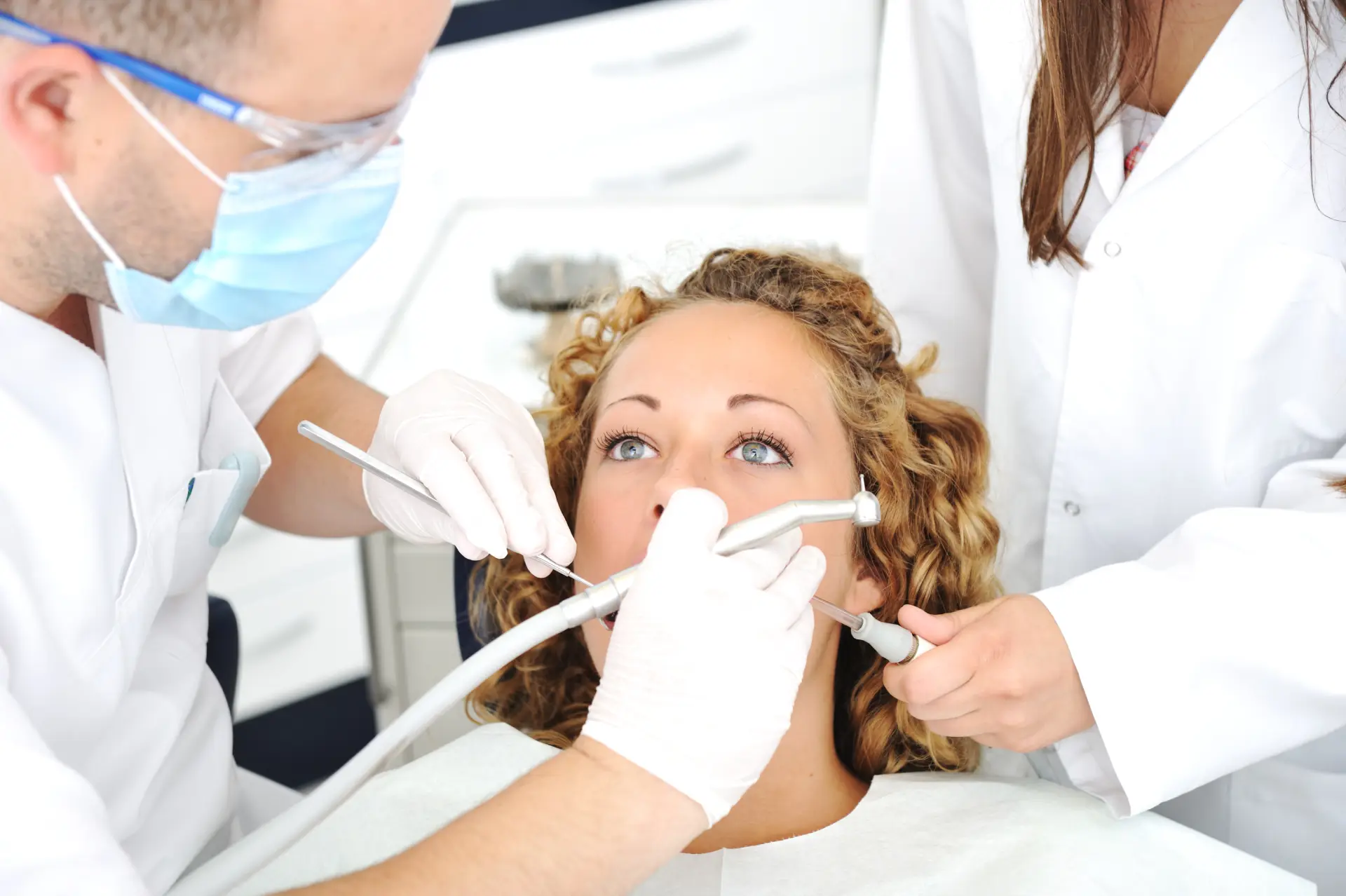
In cases of severe crowding, an orthodontist may recommend removing one or two teeth to create space.
3. Arch expansion
In younger patients, devices that widen the jaw can be used, often helping to avoid extractions.
Expert opinion
“In cases of crowding, early diagnosis and treatment are crucial. It’s not just about appearance—crowding significantly increases the risk of gum inflammation, especially when patients cannot properly clean between their teeth,” says Karolina Gut, an expert in oral hygiene products and prevention at Denthelp.
How to maintain oral hygiene with crowded teeth?
Overlapping teeth create hard-to-clean areas where plaque quickly builds up. Here are tools worth including in your daily routine:
1. Sonic toothbrush
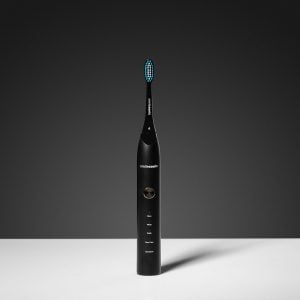
Thanks to sonic technology, the bristles move at high frequency, creating dynamic fluid movement that reaches difficult areas. A well-chosen brush head (narrow and slim) improves cleaning precision. Sonic toothbrushes like those from Smilesonic are effective and safe for crowded teeth.
2. Oral irrigator
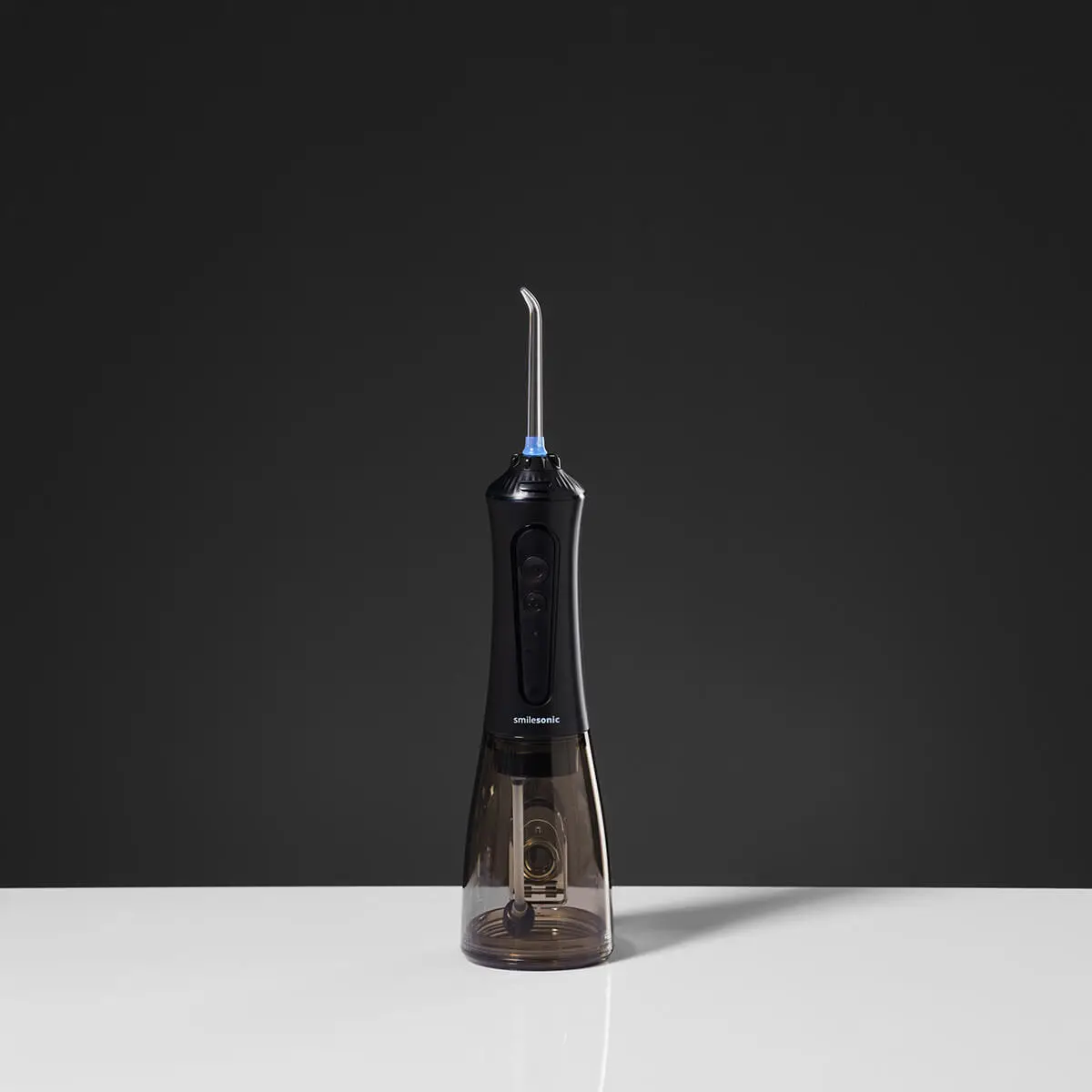
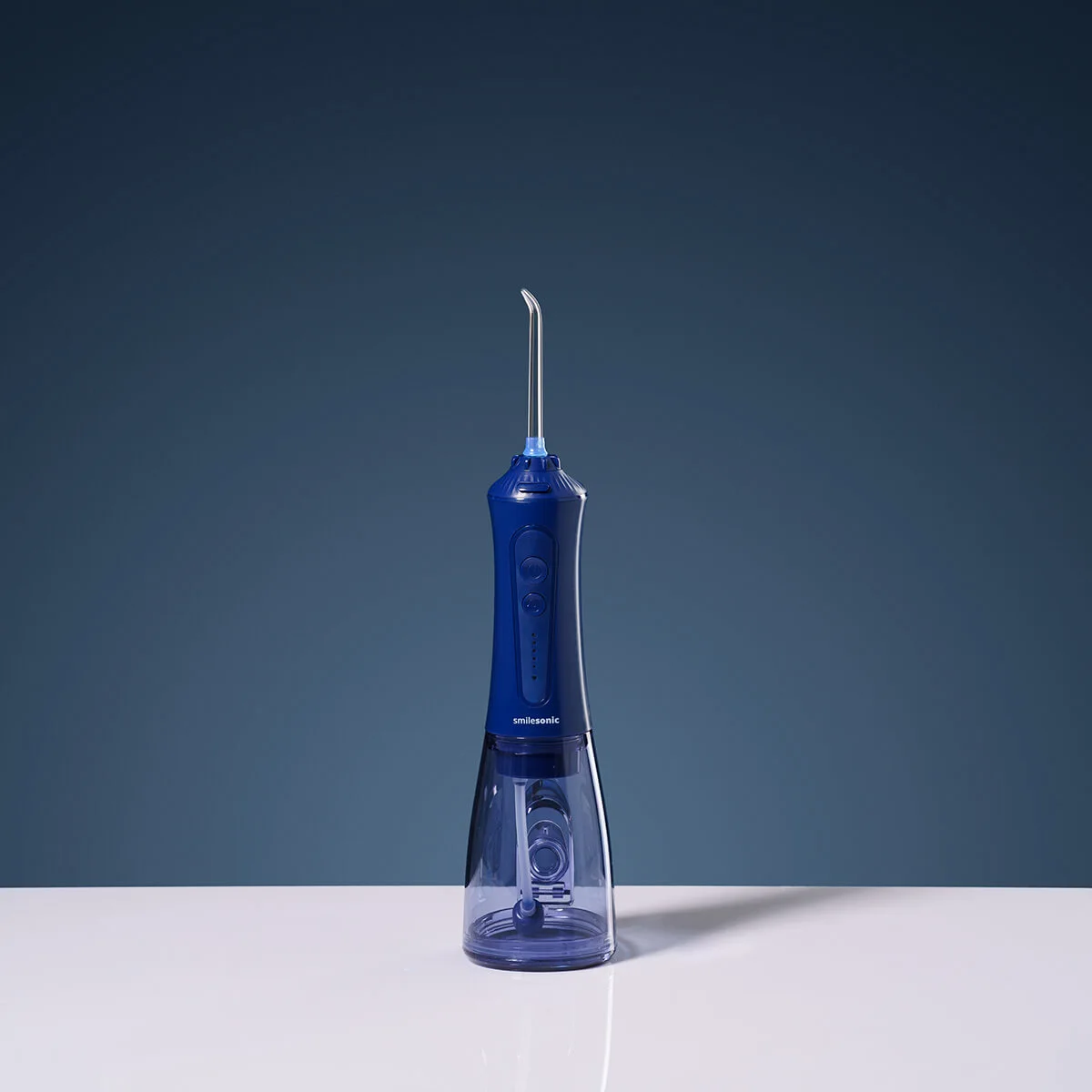
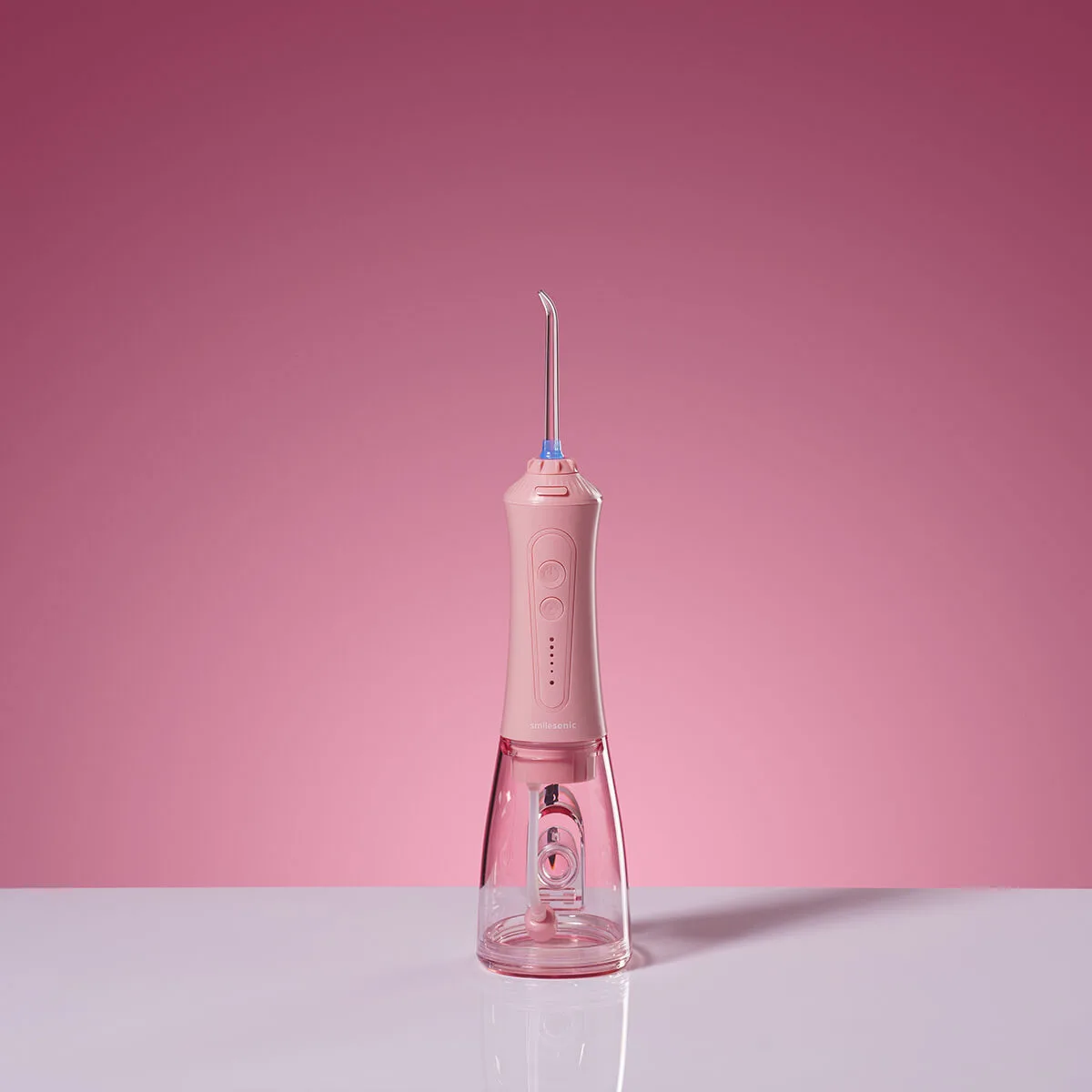
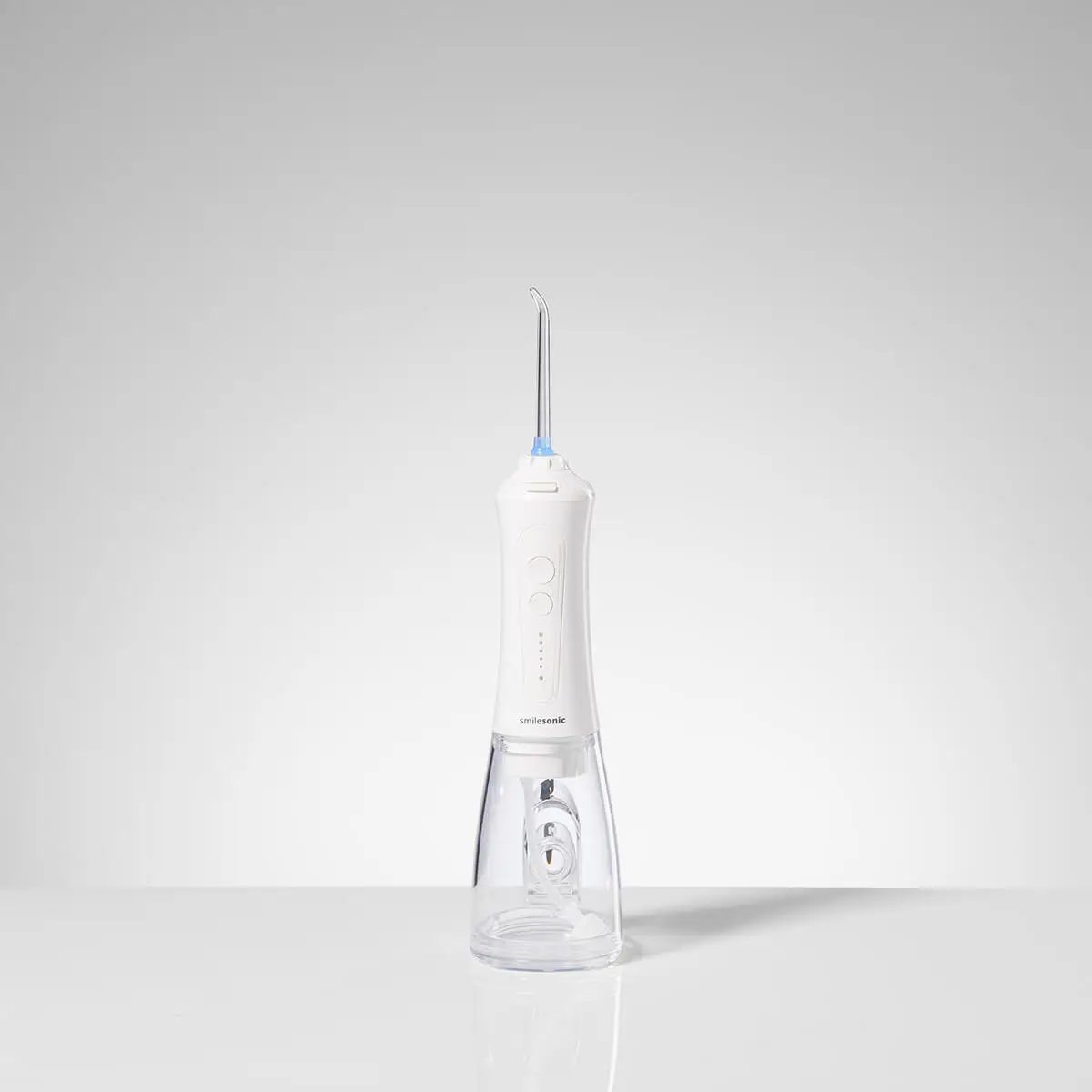
A device that uses a pulsating stream of water to flush out food debris and bacteria from between teeth and below the gumline. Especially recommended for people with braces or crowding. Looking for one? Consider checking the features of the Smilesonic cordless irrigator.
3. Nić dentystyczna lub szczoteczki międzyzębowe
Niezbędne do mechanicznego oczyszczania ciasnych przestrzeni, do których nie dosięgnie szczoteczka do zębów.
4. Płukanki antybakteryjne
Uzupełniają działanie mechanicznych metod czyszczenia, zwłaszcza w miejscach niewidocznych.
Dobrej jakości urządzenia do higieny jamy ustnej, w tym szczoteczki soniczne i irygatory, a także środki higieny, m.in. płyny do płukania jamy ustnej, znajdziesz chociażby we wspomnianym wcześniej sklepie Denthelp.
FAQ – najczęstsze pytania
Czy stłoczenia zębów trzeba leczyć?
Tak. Ich ignorowanie może prowadzić do próchnicy, stanów zapalnych, a nawet utraty zębów.
Czy irygator sprawdza się przy stłoczonych zębach?
Zdecydowanie tak. To jedno z najskuteczniejszych narzędzi do czyszczenia trudno dostępnych miejsc.
Czy szczoteczka soniczna jest lepsza od manualnej przy stłoczeniach?
Tak. Dzięki mikrobąbelkom i dużej częstotliwości ruchów lepiej doczyszcza ciasne przestrzenie.
Czy każda wada wymaga aparatu?
Nie zawsze – czasem wystarczą niewielkie korekty. O tym decyduje ortodonta na podstawie badania.