
- Pediatric orthodontics – when should you start?
- Why should malocclusions in children be treated early?
- What do braces for baby teeth look like?
- Common parental mistakes – facts and myths
- What can you do as a parent?
- Orthodontic treatment for children – more than just braces
- FAQ – Frequently Asked Questions About Braces for Children
In short:
Orthodontic treatment in children with baby teeth is not an exaggeration—in many cases, it is a smart preventive decision. Malocclusions begin to develop very early and can lead to serious health and developmental consequences. Braces for baby teeth do not mean a “metal nightmare,” but most often a lightweight, removable appliance that can prevent long and complex orthodontic treatment later in life.
Pediatric orthodontics – when should you start?
According to orthodontists and the Polish Orthodontic Society, the first orthodontic check-up should take place at the age of 6–7, and in some cases even earlier. Even if a child still has all their baby teeth, it is worth assessing the development of the upper and lower jaw, breathing patterns, swallowing habits, and speech.
The earlier a problem is detected, the greater the chances of effective treatment without the need for fixed braces during the teenage years.
Why should malocclusions in children be treated early?
Malocclusions are not just an aesthetic issue. Misaligned teeth can cause:
- Difficulty chewing and swallowing
- Speech defects
- Sleep and breathing disorders
- Facial asymmetry
- Muscle tension in the head and neck area
- Increased risk of cavities and gum disease
If ignored, the problem may worsen over time, leading to the need for costly fixed braces or even surgical correction in adulthood.orosłym.
What do braces for baby teeth look like?
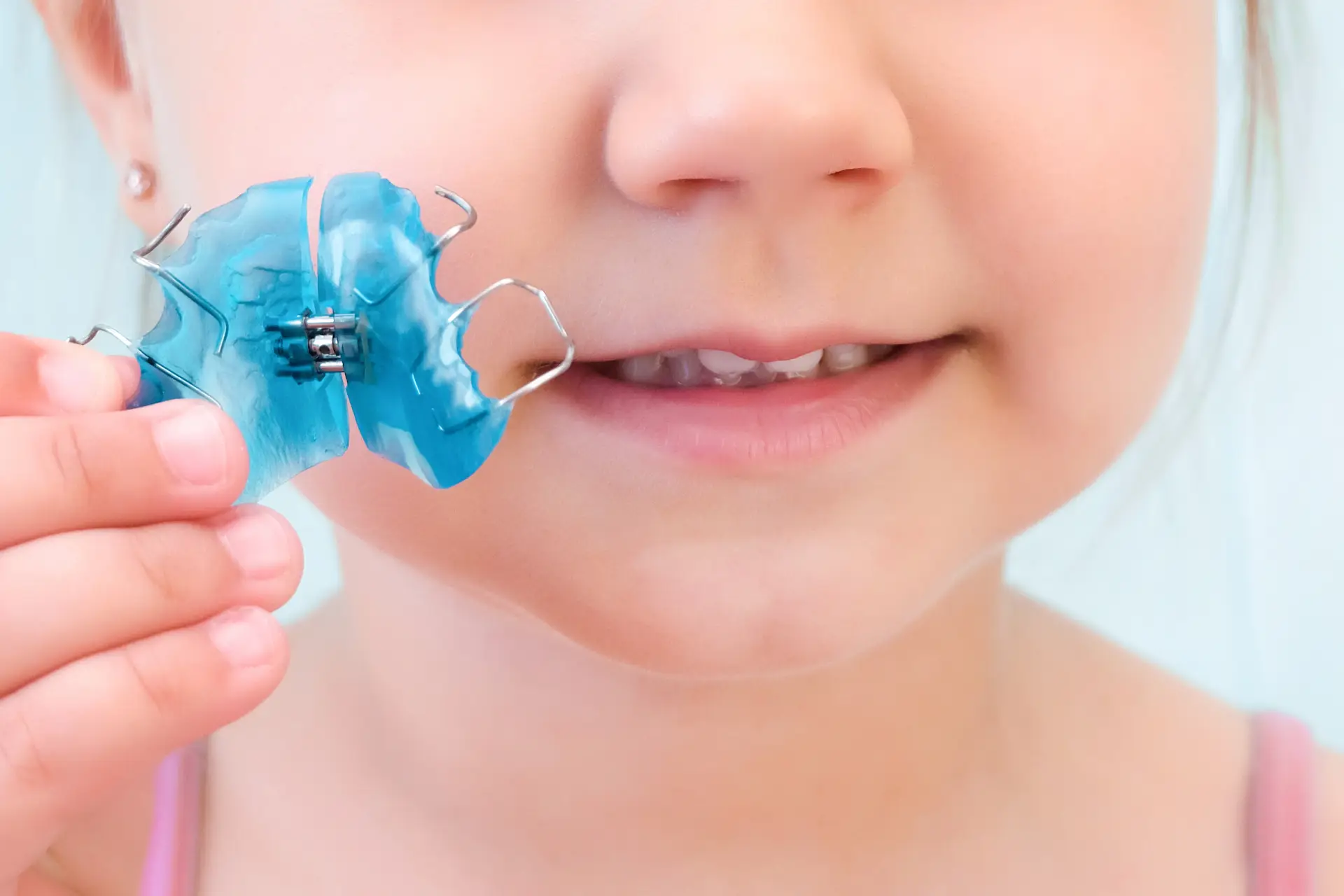
This is not about the classic “metal wires” used in teenagers. For younger children, the following are typically used:
- Removable appliance (Schwarz plate) – worn for a few hours a day, often only at night
- Vestibular plate – a simple device that helps eliminate harmful habits, such as thumb sucking
- Orthodontic splints or myofunctional appliances – influence muscle development and proper swallowing
- Speech therapy and physiotherapy exercises – support the development of jaws and tongue
These are gentle forms of therapy aimed not at straightening teeth yet, but at creating a proper foundation for permanent teeth.
Common parental mistakes – facts and myths
❌ MYTH: “Baby teeth don’t matter—they’ll fall out anyway.”
✅ FACT: Baby teeth act as natural guides for permanent teeth. Their premature loss can disrupt jaw development and lead to crowding.
❌ MYTH: “Braces will hurt and interfere with speech.”
✅ FACT: Modern appliances are lightweight, flexible, and individually fitted. Children adapt to them quickly—especially with support from parents and the dentist.
❌ MYTH: “It’s too early for treatment.”
✅ FACT: In many cases, the earlier, the better. Orthodontists don’t just straighten teeth—they also guide jaw, tongue, and facial muscle development, which is crucial in children.
What can you do as a parent?
- Schedule the first orthodontic visit at age 5–6—even if nothing seems wrong
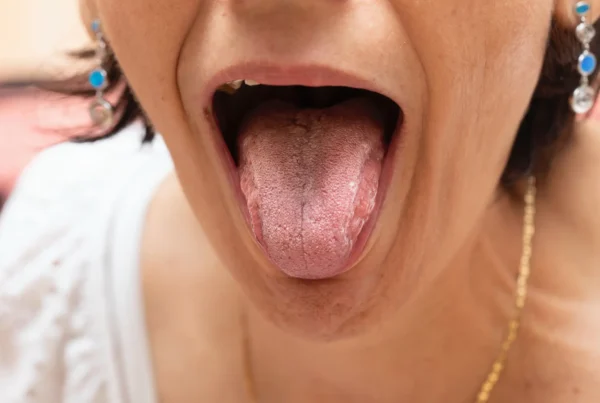
- Observe whether your child breathes through their mouth, sleeps with an open mouth, lisps, sucks their thumb, or has difficulty chewing
- Remember that orthodontics is also preventive—you don’t need to wait for “crooked teeth”
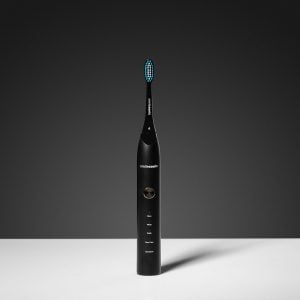
- Support your child’s oral hygiene with tools like sonic toothbrushes (e.g., Smilesonic KIDS), which help maintain treatment results with gentle modes and tips
- Educate yourself—talk to your orthodontist, ask questions, and check opinions
Orthodontic treatment for children – more than just braces
More and more clinics offer myofunctional therapy, which includes exercises to improve breathing, tongue position, swallowing, and facial expressions. These seemingly small factors have a huge impact on the development of the entire facial structure.
Thanks to this, some children can avoid costly orthognathic surgeries in the future, as well as issues related to the spine or the temporomandibular joint.
FAQ – Frequently Asked Questions About Braces for Children
Is orthodontic treatment for baby teeth effective?
Yes—early treatment not only corrects problems but, more importantly, prevents them from worsening. It often helps avoid fixed braces in the future.
What types of braces are used for children with baby teeth?
Usually removable appliances, vestibular plates, or myofunctional devices. Their goal is to correct function rather than just tooth alignment.
At what age can a child wear braces?
As early as 4–5 years old, if there are orthodontic indications. It depends on the type of issue and the child’s readiness.
Can braces harm a child?
No, if they are properly fitted and accepted by the child. Cooperation with the orthodontist and regular check-ups are key.
Will a child need another set of braces after baby teeth treatment?
Not necessarily—many issues can be corrected early enough to avoid further treatment. If additional treatment is needed, it is often shorter and simpler.