
Veneers – both composite and porcelain – can completely transform the appearance of a smile. They improve tooth shape and color, close gaps, mask minor imperfections, and make teeth look like they belong on a magazine cover. However, to maintain this effect for years, the procedure alone is not enough. The key is proper daily care – tailored to the type of veneers, the material, and the patient’s lifestyle.
In this article, we explain how caring for composite veneers differs from caring for porcelain veneers, what habits should be introduced immediately after the procedure, and what to avoid in order to enjoy a beautiful smile for as long as possible.
What are veneers – and how do composite and porcelain veneers differ?
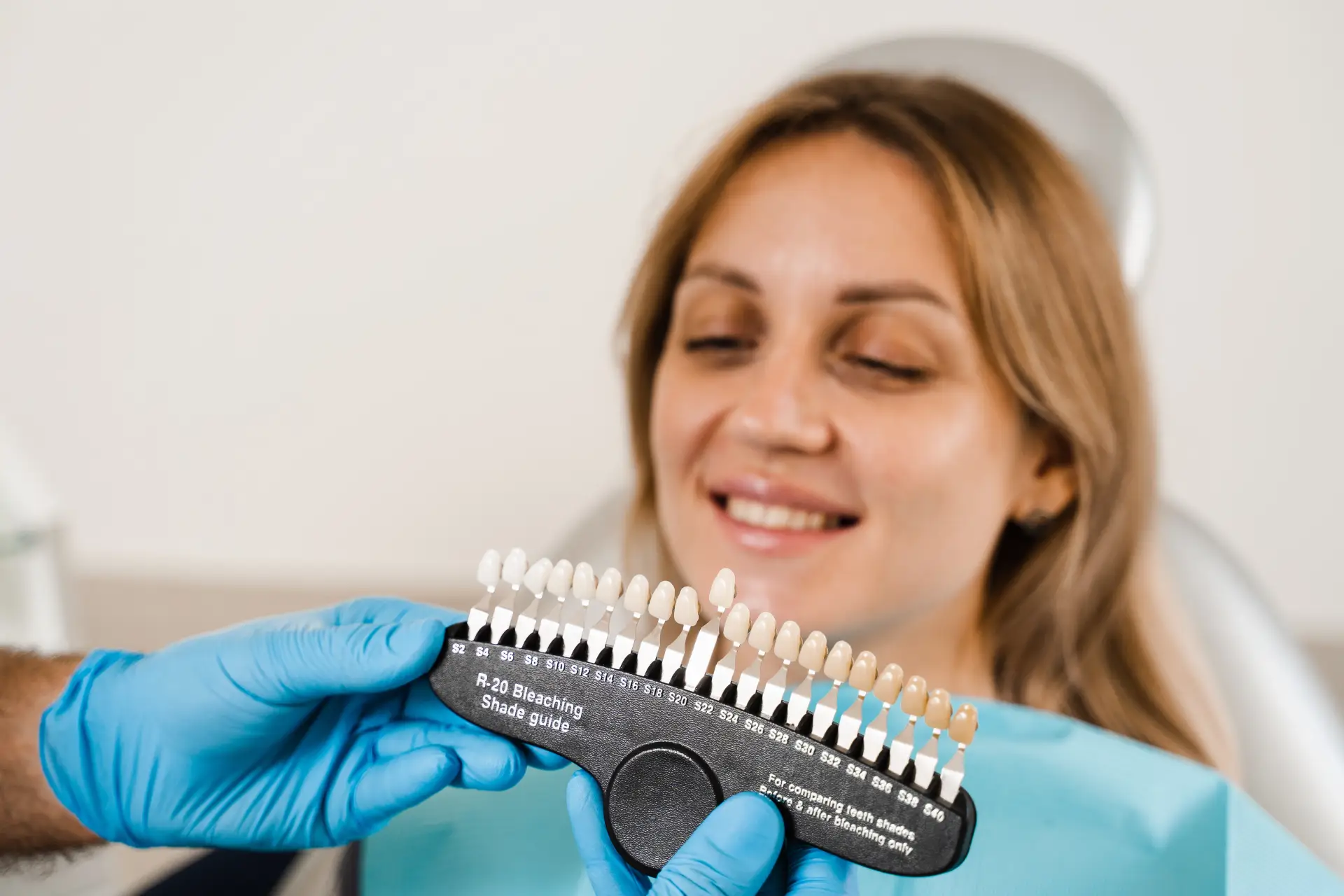
Veneers are thin shells bonded to the front surface of the teeth. Their purpose is to improve dental aesthetics – they can change tooth color, shape, length, and width. Depending on the material, we distinguish:
Composite veneers – made of a material similar to dental fillings; they can be applied directly to the tooth (direct veneers) or fabricated in advance and then bonded (indirect veneers). They are less durable but easier to repair.
Porcelain veneers – made of ceramic, more resistant to staining and wear, and highly natural in appearance. They are more expensive and require greater precision during placement, but with proper care they can last 10–15 years.
Why is veneer care so important?
A veneer – regardless of type – covers only the front surface of the tooth. This means that the natural tooth underneath is still susceptible to decay, gum disease, and plaque buildup. Daily hygiene is therefore not only about aesthetics but also about oral health. Additionally, the veneer material itself can become discolored (in the case of composite) or damaged (in both types) if not properly maintained.
How to care for composite veneers
• Brushing – gently but regularly
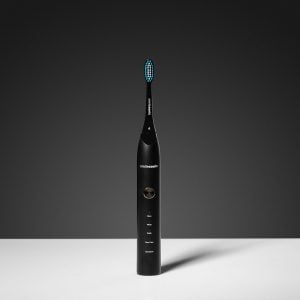
Composite veneers are more prone to scratches and discoloration than porcelain ones. A soft-bristled toothbrush (preferably electric or sonic) and a non-abrasive toothpaste with low RDA (below 70) should be used.
Brush your teeth twice a day – thoroughly but without excessive pressure. Aggressive brushing can dull the surface of the composite, accelerating discoloration.
• Avoid staining foods and drinks
Composite material absorbs pigments much more easily than natural enamel. It is therefore advisable to limit coffee, red wine, beets, tea, and dark sauces. After consuming them, it is good to rinse the mouth with water or brush the teeth (but not immediately – ideally after about 30 minutes).
• Regular polishing
The surface of composite veneers gradually loses its shine. Every few months, it is worth scheduling a professional hygiene visit with polishing at the dentist. This helps maintain good condition and prevents plaque buildup.
• Be careful with habits and food
Avoid biting hard objects such as nuts, ice cubes, pens, or nails. Composite can chip easily. It is also recommended to avoid chewing gum (especially sticky types) and using teeth to open objects.
How to care for porcelain veneers
• Brushing – systematic and thorough
Although porcelain is highly resistant to staining, it still requires cleaning. Daily brushing (twice a day) and the use of dental floss or an oral irrigator are essential. A manual toothbrush can be used, but electric or sonic toothbrushes provide better results.
Toothpaste should be gentle – without strong abrasive particles. Whitening products may damage the cement used to bond the veneers.
• Mouth rinses – alcohol-free only
Choose alcohol-free mouthwashes to avoid drying out the oral cavity and weakening the bonding material. Fluoride-based rinses with soothing ingredients (such as aloe or allantoin) support gum health and fresh breath.
• Avoid mechanical damage
Despite their durability, porcelain veneers are not indestructible. A strong impact (e.g. during sports without a mouthguard) can cause chipping or cracking. If you grind your teeth at night, a night guard may be necessary to protect veneers from wear and damage.
Do you need floss or an irrigator?
Yes – regardless of veneer type. The spaces between teeth with veneers are just as vulnerable to cavities and gum inflammation as natural teeth. Daily cleaning of these areas prevents plaque and bacteria buildup.
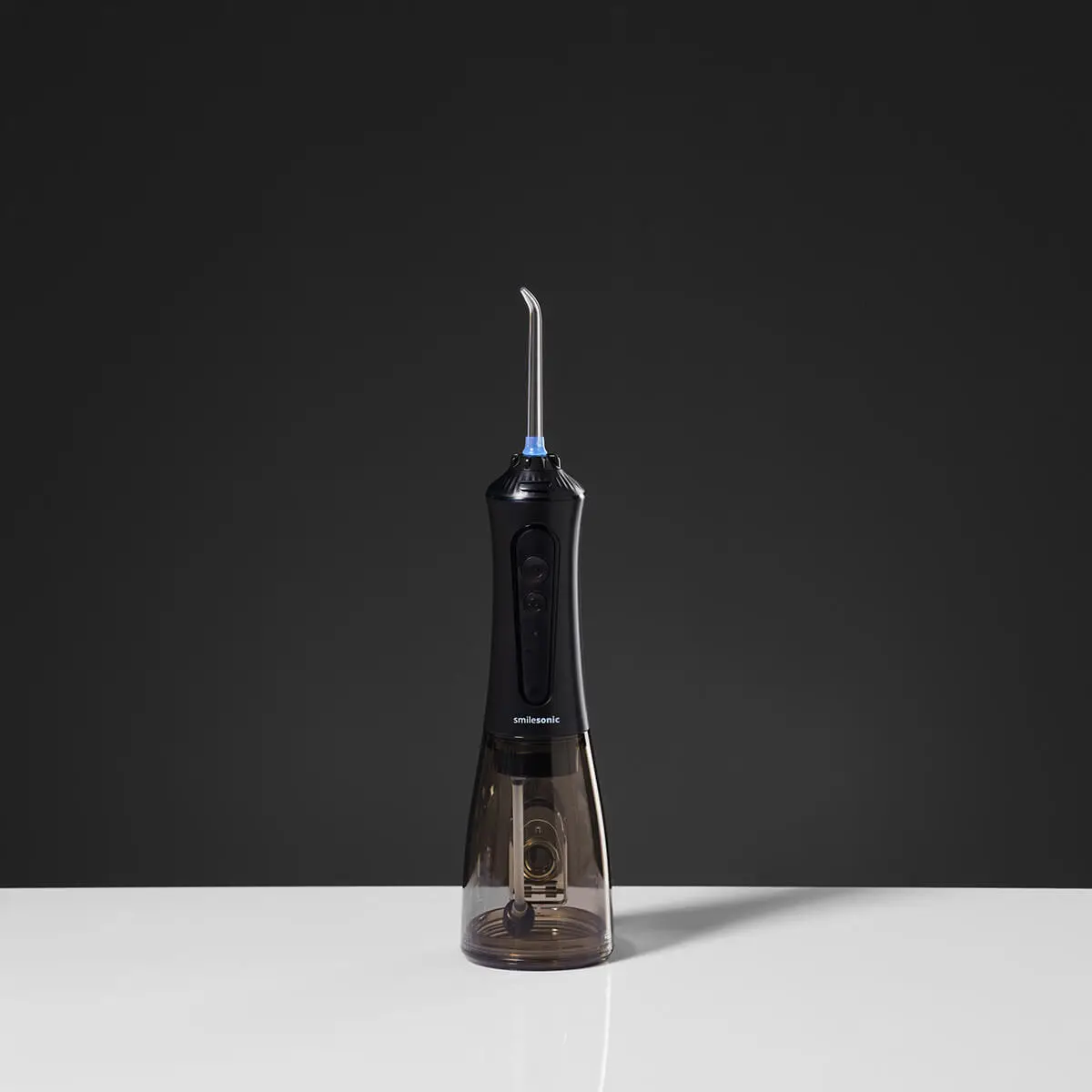
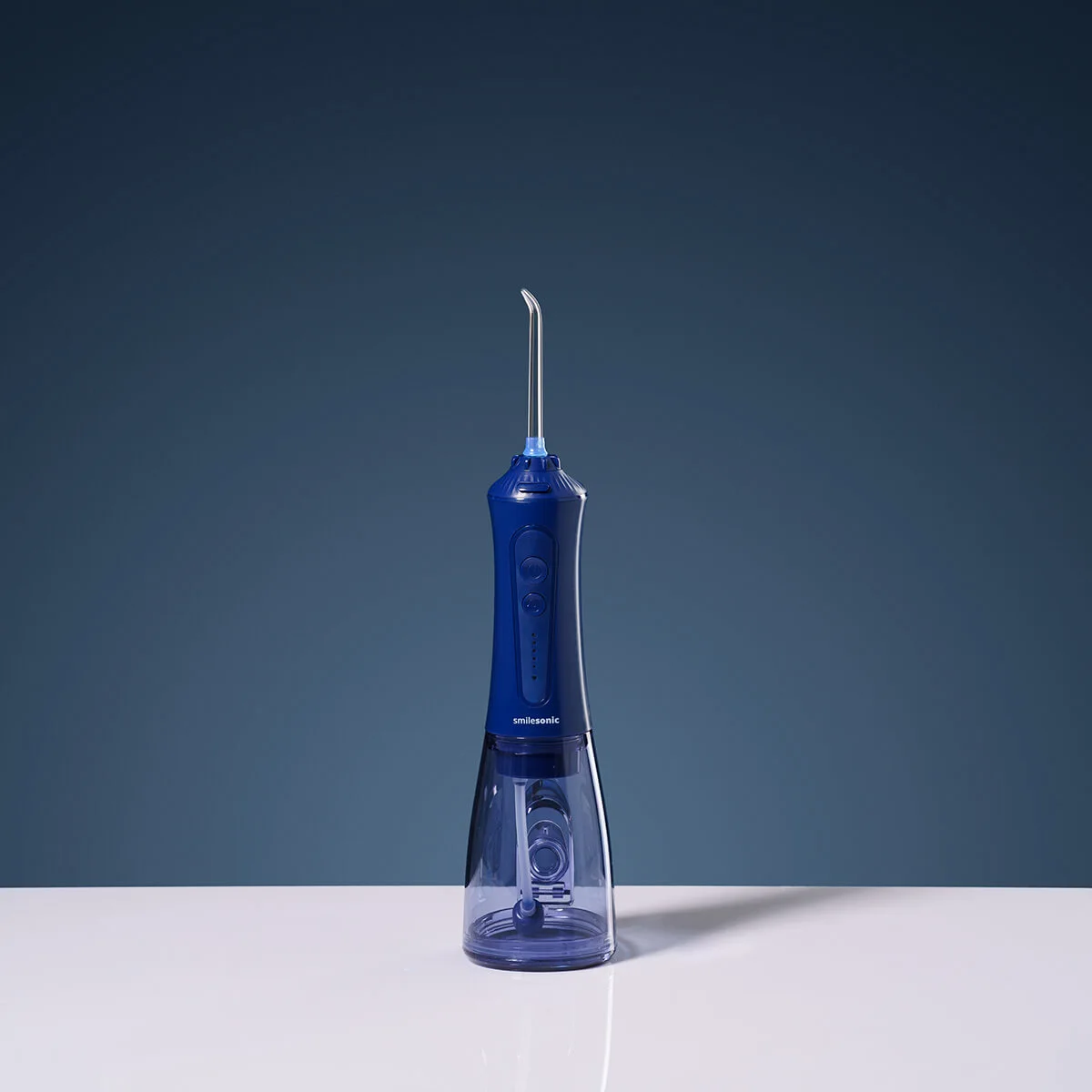
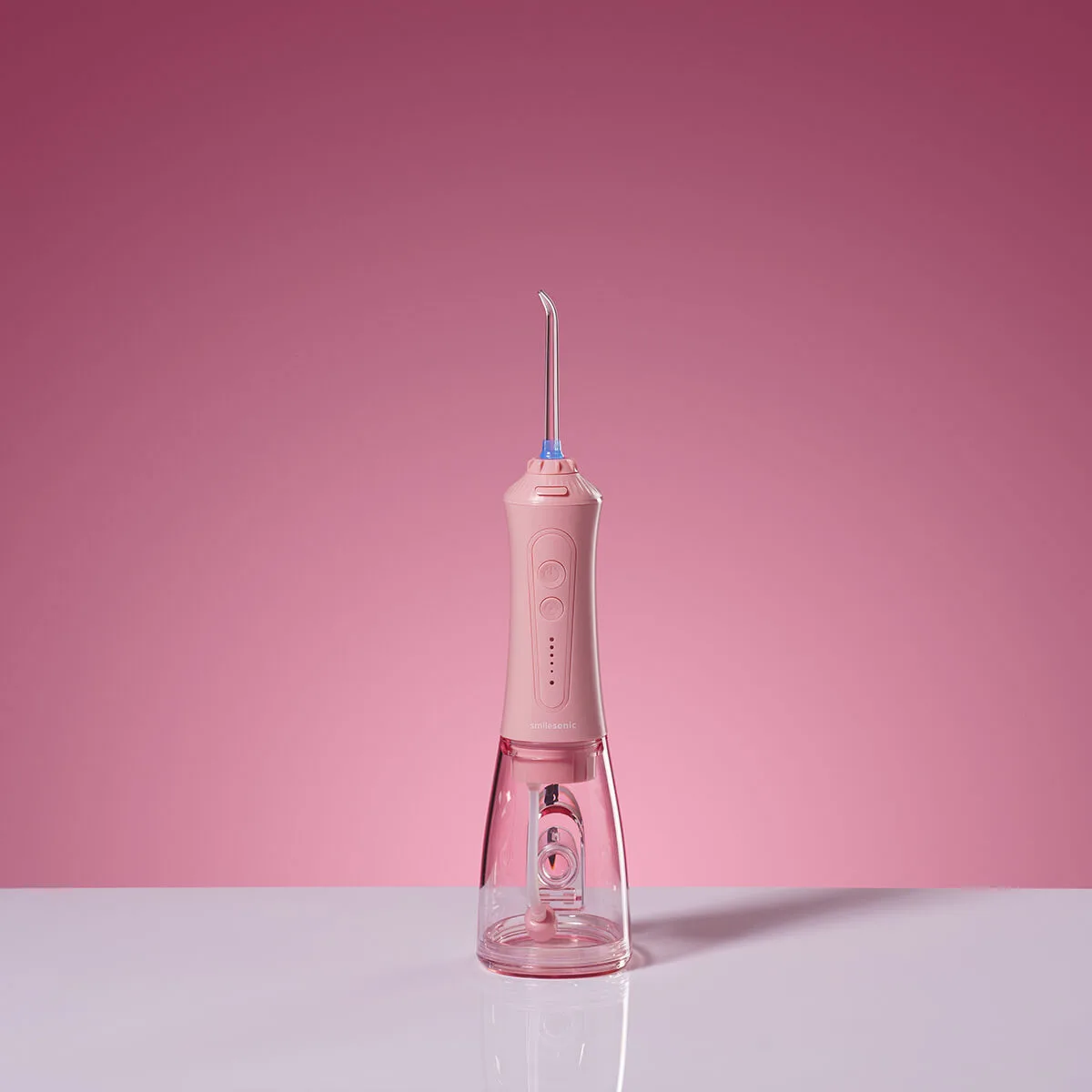
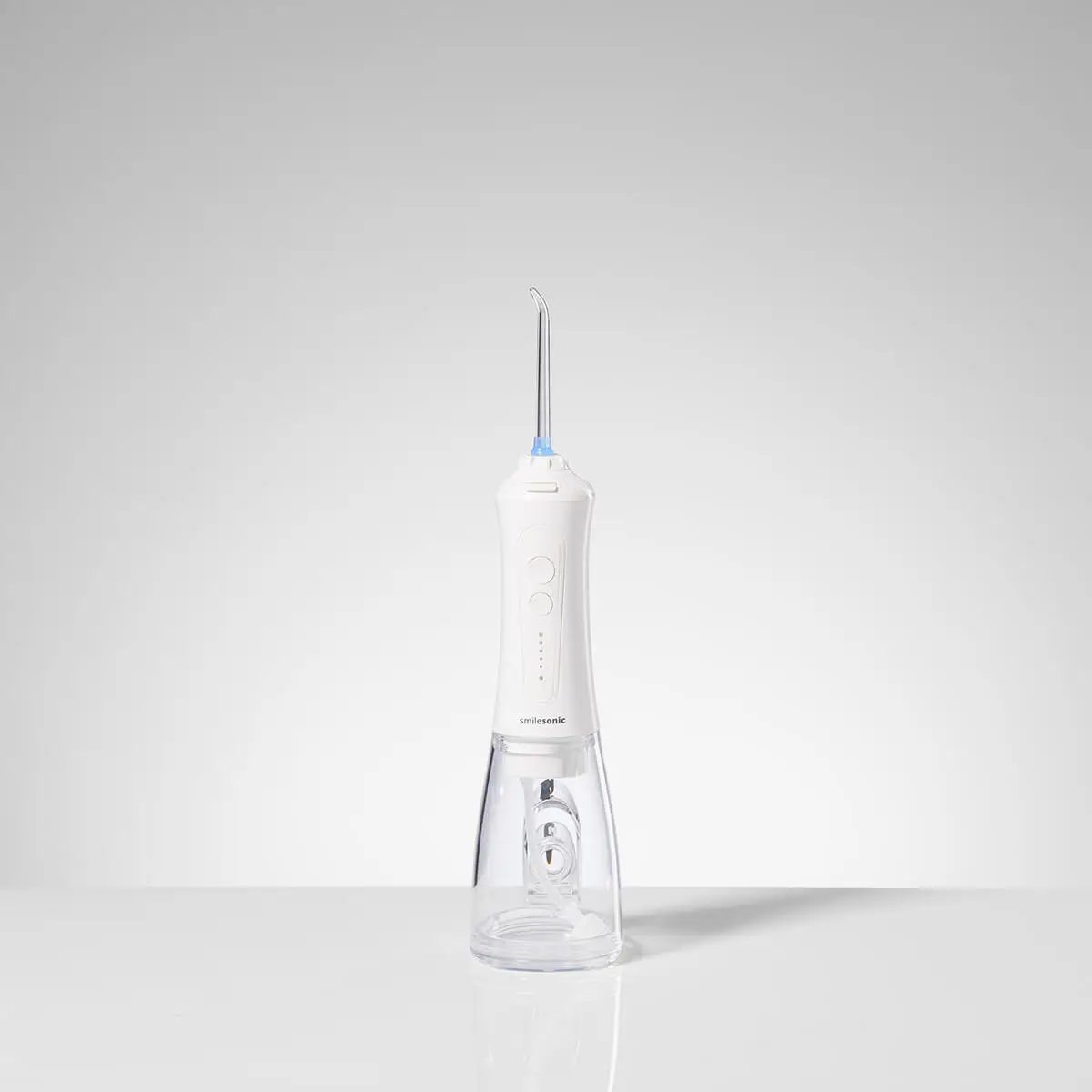
If flossing is inconvenient, a water flosser is a good alternative. It effectively removes food particles and debris without risking damage to the material. Devices such as the Smilesonic AquaFlow are gentle yet effective – ideal for both home use and travel.
Co z kontrolami u dentysty?
Wizyty kontrolne co 6 miesięcy to absolutna podstawa. Podczas takiego spotkania stomatolog:
- sprawdzi szczelność licówek oraz ich przyleganie do zęba,
- oceni stan dziąseł,
- usunie kamień i osad,
- wypoleruje powierzchnię, jeśli to potrzebne.
Jeśli na swoich zębach zaobserwujesz zmianę koloru, ukruszenie, nadwrażliwość lub nieświeży oddech z jamy ustnej – nie czekaj na kontrolę, tylko zgłoś się wcześniej.
Podsumowanie: piękny uśmiech wymaga codziennej troski
Licówki – zarówno kompozytowe, jak i porcelanowe – mogą służyć wiele lat, ale tylko wtedy, gdy będą odpowiednio pielęgnowane. Choć różnią się odpornością oraz trwałością, jedno je łączy: potrzebują systematycznego, delikatnego, ale zarazem skutecznego dbania o higienę jamy ustnej.
Nie wystarczy je mieć – trzeba też o nie dbać, a wtedy staną się nie tylko ozdobą, ale także długoterminową inwestycją w zdrowy i piękny uśmiech.