
In brief:
Wedge-shaped defects are not always caused by excessive tooth brushing. They are often the result of less obvious factors such as stress, teeth grinding, malocclusion, or an acidic diet. Treating wedge-shaped defects requires not only restoring the tooth but also eliminating the underlying cause to prevent recurrence.
What are wedge-shaped defects?
Wedge-shaped defects are characteristic notches located in the cervical area of the tooth—where the crown meets the gum. They typically have a “V” or “U” shape and often appear symmetrically on both sides of the dental arch.
Initially, these defects are painless, but over time they can lead to sensitivity and even enamel cracking. Contrary to appearances, they are not caused by tooth decay but by mechanical and chemical erosion of enamel and dentin.
Not just brushing – causes you may not be aware of
For years, it was believed that wedge-shaped defects were solely the result of “brushing too hard.” While a hard toothbrush and improper technique can contribute, they are only part of the picture.
1. Excessive brushing and hard toothbrushes
Defects can develop when too much pressure is applied during brushing or when using a hard-bristled toothbrush. Friction leads to mechanical wear of enamel in the cervical area.
2. Teeth grinding and clenching (bruxism)
Stress and emotional tension often cause unconscious grinding, especially at night. Vibrations and micro-stress affect the cervical areas, leading to microcracks and gradual enamel breakdown.
3. Acidic diet
Carbonated drinks, citrus fruits, fruit juices, and vinegar lower the pH in the mouth, softening enamel. Brushing immediately after consuming acidic foods accelerates enamel wear.
4. Malocclusion and improper tooth contact
Misaligned teeth can lead to uneven distribution of chewing forces. As a result, certain teeth are overloaded, making them more prone to wedge-shaped defects.
5. Hormonal changes and aging
With age, enamel loses elasticity and gums recede, exposing the cervical areas. This natural process increases susceptibility to erosion.
How to recognize wedge-shaped defects?
Early symptoms are subtle: slight sensitivity to cold drinks, a stinging sensation أثناء brushing, or a feeling of a “notch” when touched.
In advanced cases, you may notice:
- visible indentations near the gum line,
- pain when consuming sweet or acidic foods,
- enamel cracking or tooth chipping.
If you notice these symptoms, consult a dentist. Self-treatment or aggressive whitening may worsen the condition.
Expert opinion
“Wedge-shaped defects are increasingly common not only in middle-aged individuals but also in younger patients. They usually result from a combination of factors—overly aggressive brushing, stress, and diet. Effective treatment requires not only restoring the defect but, above all, eliminating the cause—such as correcting the bite, improving brushing technique, or using a relaxation splint,” says Jacek Szczerbicki, expert at Denthelp.
Treatment of wedge-shaped defects
Treatment depends on severity and cause and usually includes several steps:
1. Diagnosis and elimination of the cause
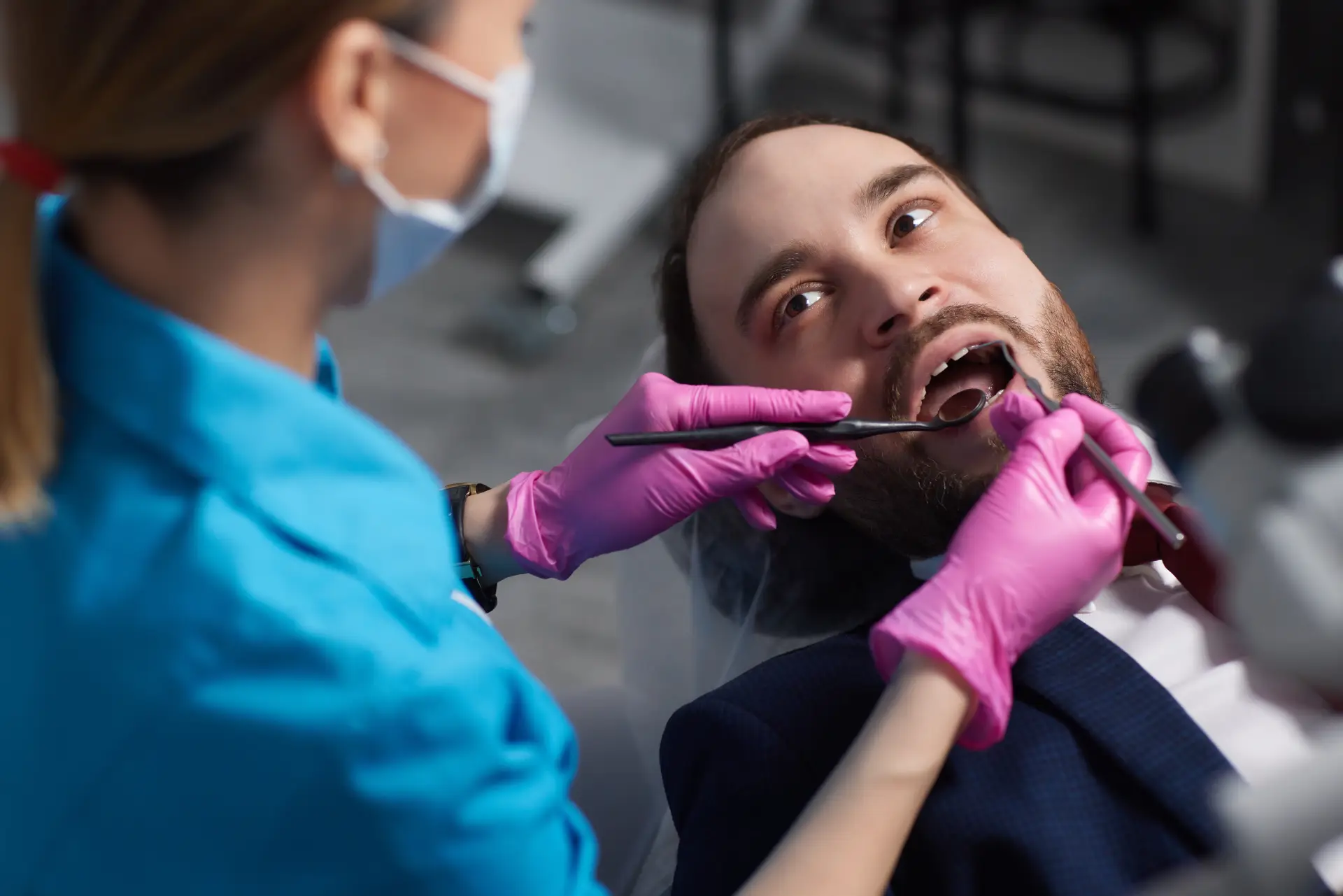
The dentist evaluates brushing habits, bite, and diet. If bruxism is involved, a custom protective splint may be recommended.
2. Restoration of the defect
Small defects can be treated with tooth-colored composite materials. Larger ones may require fiber-reinforced fillings or composite veneers.
3. Treatment of sensitivity
Fluoride varnishes, arginine-based toothpastes, or dentin-sealing agents are used to reduce discomfort and protect teeth from further wear.
4. Habit changes and prevention
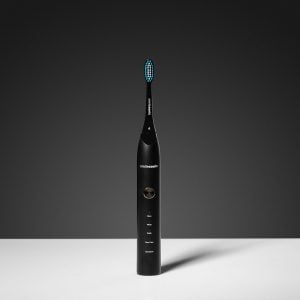
Dentists may recommend a soft sonic toothbrush, circular brushing technique, and low-abrasion toothpaste (RDA below 70). It’s also advisable to wait at least 30 minutes after consuming acidic foods before brushing.
Can wedge-shaped defects heal on their own?
Unfortunately, no. These defects involve the loss of hard tooth tissue, which cannot regenerate naturally. The sooner you see a dentist, the easier it is to prevent progression and pain.
FAQ – Frequently Asked Questions
Are wedge-shaped defects the same as cavities?
No. They are not caused by bacteria but by enamel and dentin wear. However, untreated defects can increase the risk of decay.
Can a hard toothbrush really cause damage?
Yes. Hard bristles combined with excessive pressure can damage enamel and gums. Soft sonic toothbrushes with pressure control are recommended.
Can wedge-shaped defects be treated at home?
No. Professional restoration is required. Home care products may reduce sensitivity but won’t rebuild enamel.
How can I prevent wedge-shaped defects?
Use a soft toothbrush, avoid brushing immediately after meals, and don’t apply excessive pressure. Managing bite issues and stress is also important.
Can wedge-shaped defects be whitened?
No. Whitening won’t remove them and may worsen the condition. Restoration should come first.
Do wedge-shaped defects hurt?
Yes, once dentin is exposed, teeth become highly sensitive to temperature and touch. Pain subsides after proper treatment.
Can they be treated without drilling?
In early stages, strengthening agents or composite resins may be sufficient. Deeper defects usually require traditional fillings.