

Modern cosmetic dentistry now offers many ways to improve the appearance of teeth – from subtle corrections to complete smile makeovers. Two of the most commonly chosen solutions are bonding and veneers. Both procedures are designed to improve the shape, color, and proportions of teeth, but they differ in terms of durability, final effect, cost, and invasiveness.
If you’re wondering which method to choose, read this article to the end. We compare bonding and veneers point by point, explain who benefits more from each method, and when it’s truly worth investing in porcelain veneers.
What Is Bonding?
Bonding is a quick and minimally invasive procedure that involves applying a special composite material to the tooth (similar to the material used for dental fillings). The composite is shaped directly on the tooth’s surface – the dentist can change its shape, length, color, and even its alignment with neighboring teeth.
The procedure usually does not require enamel grinding, and the results are visible immediately – often after just one appointment.
Bonding works well when you want to:
- close a diastema (gap between teeth),
- lengthen worn teeth,
- cover minor cracks or discoloration,
- slightly improve smile symmetry.
What Are Veneers?
Veneers are thin, custom-designed shells made of composite or porcelain that are bonded to the front surface of the teeth. This solution is used for more comprehensive smile makeovers – when you want to completely transform the appearance of your teeth.
Veneers can:
- cover discoloration that cannot be removed with whitening,
- correct crooked teeth or uneven tooth length,
- create symmetry throughout the dental arch,
- build a completely new “perfect” smile from scratch.
They usually require slight tooth preparation, especially porcelain veneers. This is a permanent procedure that cannot be reversed, but in return you get an effect that can last even more than a decade.
Comparison: Bonding vs Veneers
1. Aesthetic Effect
Veneers – especially porcelain ones – offer superior aesthetics. They are resistant to staining, very smooth, and highly natural-looking. Their color, translucency, and shine closely resemble real teeth.
Bonding can also look very good, but composite material does not provide the same depth or gloss as porcelain. In addition, it may become dull and absorb stains over time.
2. Durability
Porcelain veneers can last 10–15 years or even longer. The composite used in bonding typically lasts around 3–5 years before requiring repair or replacement. It is also more prone to wear and chipping.
3. Procedure Invasiveness
Bonding is safe for the natural tooth structure – in most cases, no grinding is needed. It is also fully reversible. Veneers, especially porcelain veneers, require enamel reduction, meaning the tooth will always need to be covered with a veneer or crown afterward.
4. Time and Number of Appointments
Bonding can often be completed in a single visit – the dentist shapes the material directly on the tooth. Veneers require several stages: consultation, tooth preparation, impressions, and laboratory fabrication.
5. Cost
Bonding is the more affordable option – usually costing around PLN 300–600 per tooth. Porcelain veneers typically cost between PLN 1200–2500 per tooth, depending on the dental clinic and material quality.
Who Should Choose Bonding, and Who Should Choose Veneers?
Choose Bonding If:
- you want to improve the appearance of 1–3 teeth,
- you care about lower costs,
- you do not want your teeth ground down,
- you do not have severe discoloration or major bite problems,
- you want to “test” a new smile without making permanent changes.
Choose Veneers If:
- you want a long-lasting and dramatic effect,
- you have several aesthetic concerns at once (shape, color, alignment),
- you want a one-time complete smile transformation,
- your teeth are heavily discolored or damaged,
- you are prepared for a higher budget and more invasive treatment.
Can Bonding and Veneers Be Combined?
Yes – many people start with bonding (for example at a younger age or with a smaller budget) and later decide to get veneers after a few years. This is a good strategy that allows you to test a new smile before committing to a permanent solution.
What Should You Avoid After Either Procedure?
Regardless of the method, it is worth:
- avoiding biting hard objects (nuts, seeds, nails),
- limiting coffee, tea, and red wine (especially with bonding),
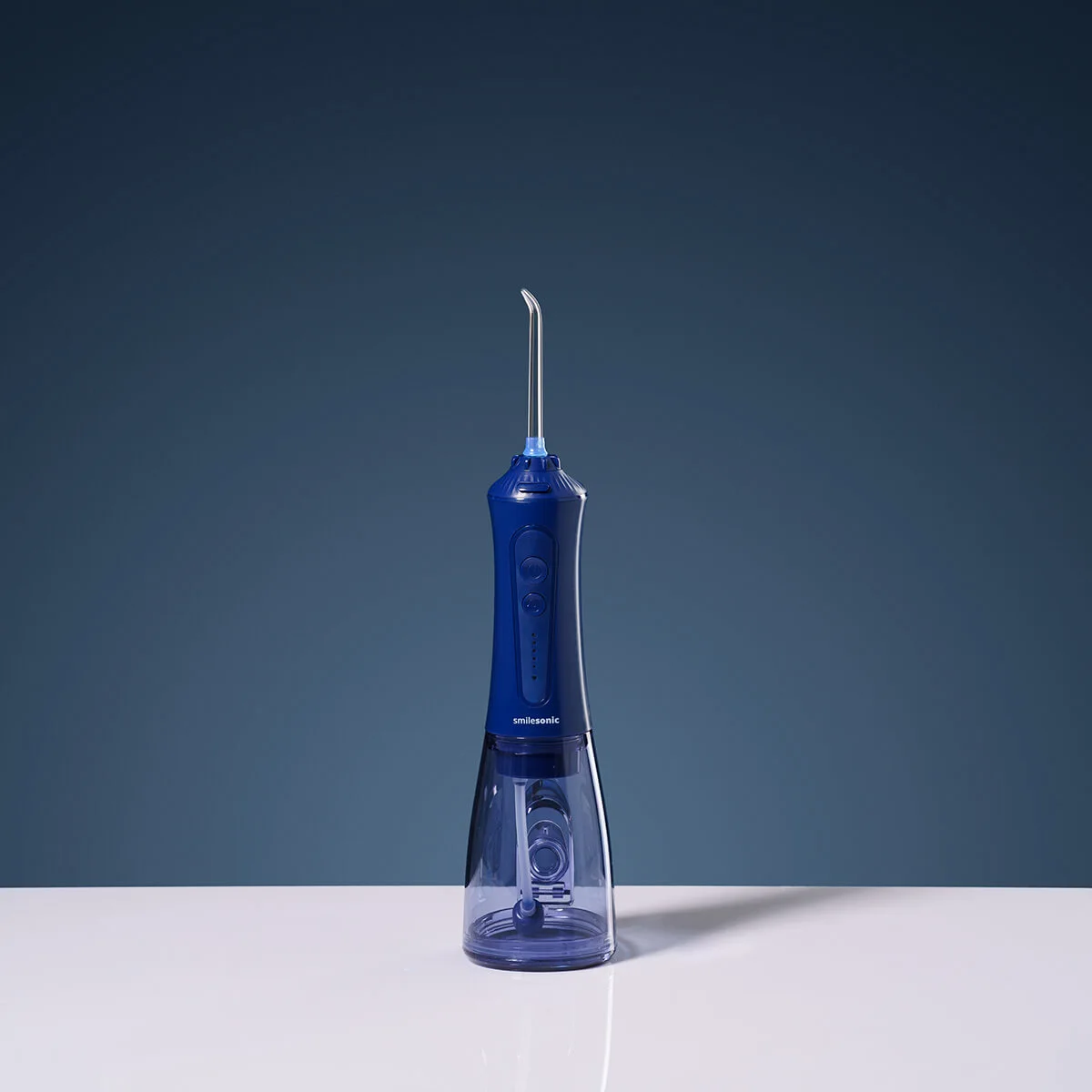
- regularly cleaning interdental spaces (for example with a water flosser),
- attending dental check-ups every 6 months,
- avoiding whitening toothpastes – they may damage composite material or the cement under veneers.
Podsumowanie
Bonding i licówki to dwa różne podejścia do poprawy estetyki zębów – oba mają zalety oraz ograniczenia. Bonding będzie idealny dla tych, którzy chcą szybkiej, taniej poprawki z możliwością korekty w przyszłości. Licówki – szczególnie porcelanowe – to wybór dla osób szukających trwałości, prestiżu i kompleksowej metamorfozy.
Nie ma jednej uniwersalnej odpowiedzi. Najlepszą decyzję podejmiesz po konsultacji ze stomatologiem estetycznym, który weźmie pod uwagę nie tylko Twój uśmiech, ale też Twoje potrzeby, oczekiwania i styl życia.