

Enamel’s role is to protect teeth from bacteria, mechanical damage, and acids, but over time it can become weakened. Enamel erosion does not hurt immediately, but it can lead to tooth sensitivity, discoloration, a higher risk of cavities, and cracks. The good news is that proper daily oral hygiene can effectively help protect enamel and, to some extent, even support its rebuilding.
In the text below, you’ll learn what enamel actually is, what damages it, and how to strengthen it every day without the need for specialist dental procedures.
What exactly is enamel?
Enamel is the outer layer of the tooth crown – semi-transparent, rock-hard, but without nerve endings and without the ability to regenerate in the traditional sense. It is composed mainly of minerals, especially hydroxyapatite – compounds made of calcium and phosphorus.
Although enamel is highly durable, its surface can gradually wear down or dissolve under the influence of acids from food, drinks, and bacteria found in dental plaque. That is why daily hygiene plays such an important role – not only in removing plaque, but also in supplying teeth with the substances they need to rebuild their microstructure.
What weakens enamel?
The main enemy of enamel is acid – both external acids (from citrus juices, soft drinks, sweets) and acids produced by bacteria while metabolizing sugars.
Here are the most common habits and factors that damage tooth enamel:
- improper tooth brushing (e.g. brushing too hard or using a hard-bristled toothbrush),
- consuming large amounts of acidic drinks and snacks,
- lack of fluoride or calcium in the diet and toothpaste,
- gastroesophageal reflux disease (GERD),
- dry mouth (caused by medication, stress, or dehydration),
- poor oral hygiene habits – irregular or insufficient brushing.
How to strengthen enamel every day – practical tips
Gentle but thorough brushing
The most important rule is to brush your teeth at least twice a day – morning and evening. The toothbrush should have soft or medium bristles, and your movements should be gentle, without aggressive scrubbing. Brushing too hard can wear away enamel, especially if done right after eating acidic foods.
A good habit is to wait around 30 minutes after eating before brushing your teeth – this gives saliva time to neutralize acids.
Choosing the right toothpaste
Fluoride is essential for enamel health because it helps remineralize microscopic damage. It’s best to choose a toothpaste containing 1000–1450 ppm fluoride – the standard amount recommended for adults. People with sensitive teeth may benefit from toothpaste enriched with hydroxyapatite or arginine, substances that support enamel rebuilding and reduce sensitivity.
It’s best to avoid whitening toothpastes with abrasive particles, as they may damage already weakened enamel.
Remineralizing mouthwashes
A high-quality mouthwash is not only for fresher breath. Products containing fluoride, calcium, phosphates, or nano-hydroxyapatite support remineralization and strengthen enamel’s natural protective barrier. It’s best to use them in the evening after brushing, without rinsing afterward with water.
Cleaning interdental spaces
The bacteria responsible for sugar breakdown and acid production also hide between the teeth – areas that a toothbrush cannot reach. Using dental floss, interdental brushes, or a water flosser helps remove plaque from these spaces and limits acid exposure to enamel.
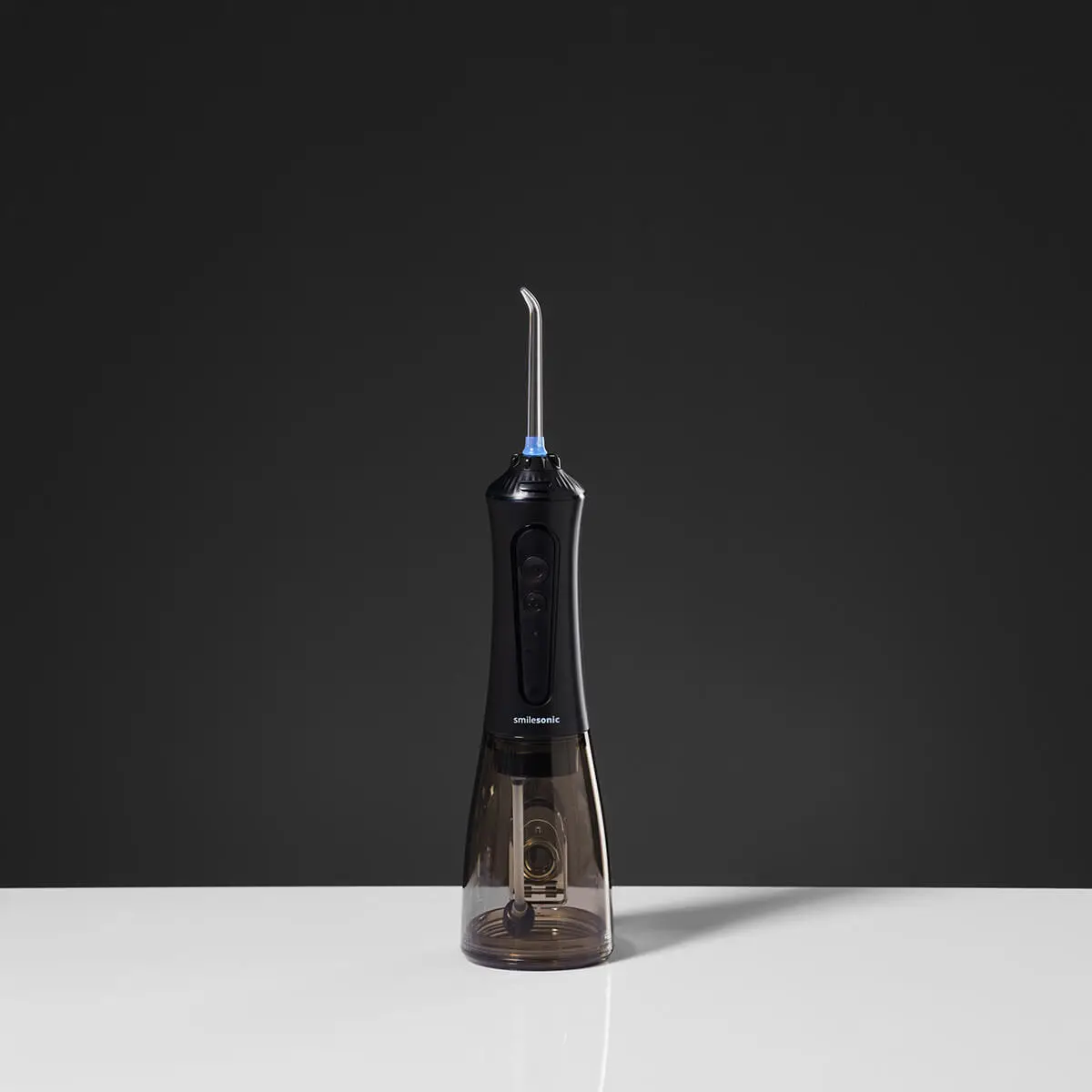
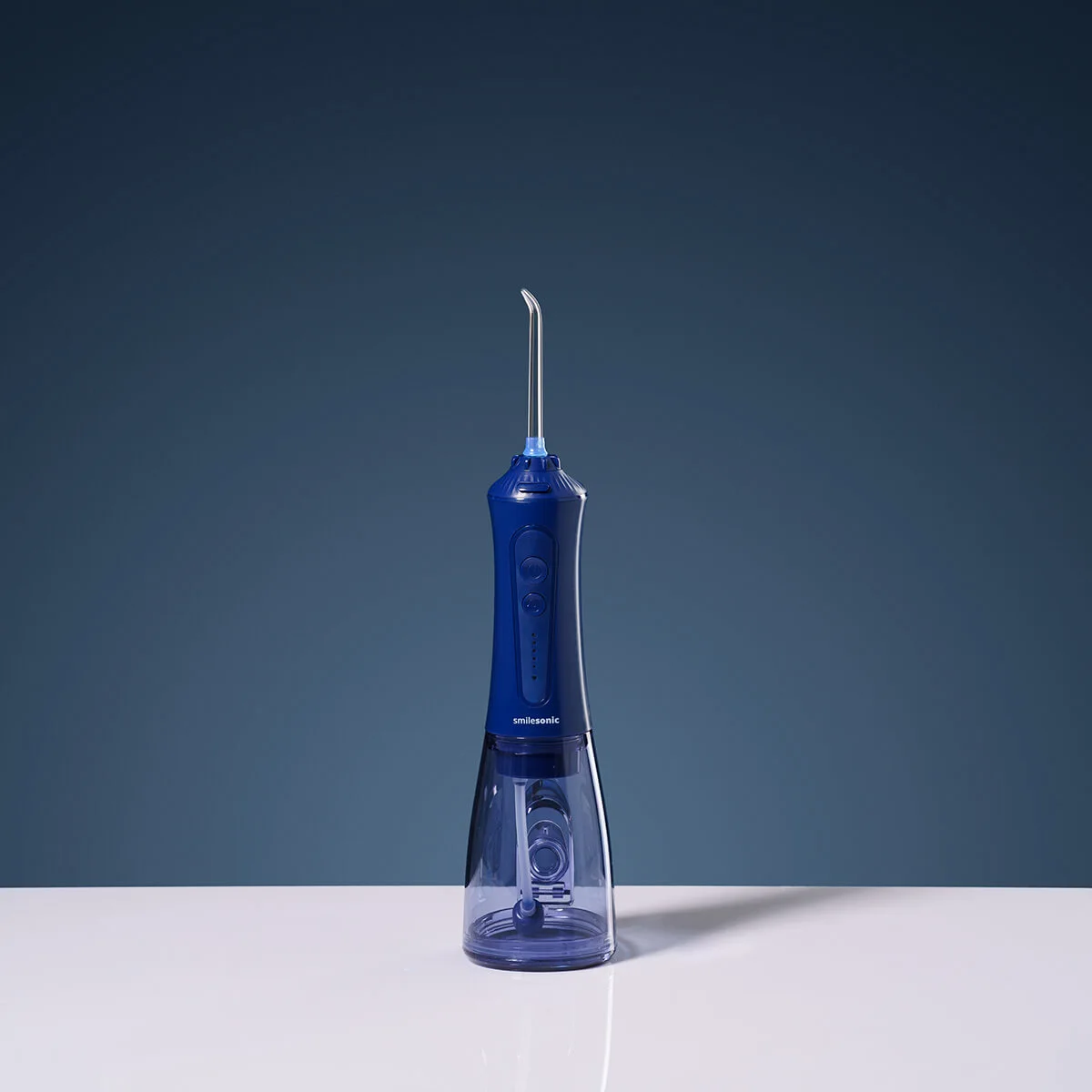
A well-designed water flosser, such as the Smilesonic AquaFlow, flushes out food debris and bacteria with a stream of water while also massaging the gums and improving blood circulation – which benefits the health of the entire oral cavity.
Proper diet
Diet has a huge impact on enamel health. To keep enamel strong, it’s important to limit acidic drinks (cola, fruit juices, energy drinks), sweets, and highly processed foods rich in simple sugars. Instead, focus on foods rich in calcium (dairy products, nuts, kale), phosphorus (meat, fish, legumes), and vitamin D, which helps calcium absorption.
Water – especially fluoridated water – is the best drink for your teeth because it neutralizes acids and supports saliva in its protective role.
Dodatkowe nawyki wzmacniające szkliwo
Jeśli chcesz wzmocnić swoje szkliwo, warto wyrobić w sobie kilka zdrowych nawyków:
- unikaj szczotkowania zaraz po kwaśnych posiłkach – odczekaj min. 20–30 minut;
- żuj gumy bez cukru, ale za to z ksylitolem – stymulują wydzielanie śliny, która pomaga chronić szkliwo;
- nie pij gazowanych napojów małymi łyczkami przez dłuższy czas – to wydłuża kontakt kwasu ze szkliwem;
- utrzymuj dobre nawodnienie organizmu – suchość w ustach sprzyja rozwojowi próchnicy i erozji szkliwa.
Czy szkliwo da się odbudować?
Choć szkliwo nie regeneruje się w taki sposób, jak np. skóra, możliwa jest remineralizacja mikroubytków, czyli odbudowa jego struktury na poziomie mikroskopowym. Fluor, wapń i fosfor, zawarte w paście lub ślinie, wnikają w szkliwo i wzmacniają je od środka. Warunkiem jest jednak regularna higiena oraz unikanie szkodliwych czynników.
W poważniejszych przypadkach konieczne może być zastosowanie zabiegów stomatologicznych – np. lakierowania fluorem, infiltracji ubytków początkowych lub uzupełnień estetycznych.
Podsumowanie
Codzienna higiena jamy ustnej to coś więcej niż tylko mycie zębów – to system ochrony, który może realnie wzmacniać szkliwo oraz zapobiegać jego niszczeniu. Odpowiednia technika szczotkowania, dobrej jakości pasta z fluorem, płukanka remineralizująca i regularne czyszczenie przestrzeni międzyzębowych to fundamenty zdrowych i mocnych zębów.
Warto również dbać o dietę, nawodnienie oraz unikać nadmiernej ekspozycji zębów na kwasy. Dzięki tym prostym, codziennym działaniom szkliwo zębów może pozostać silne, odporne i zdrowe przez długie lata – a uśmiech będzie nie tylko ładny, ale też naprawdę zdrowy.