
W skrócie:
Wybór odpowiedniego wypełnienia zęba zależy od wielu czynników: wielkości ubytku, lokalizacji zęba, potrzeb estetycznych, budżetu oraz stanu zdrowia jamy ustnej. Materiały takie jak amalgamat, kompozyty, cementy szkłojonomerowe czy ceramika oferują różne właściwości – ważna jest także odpowiednia pielęgnacja zębów z plombami, aby wypełnienie służyło długo i obyło się bez powikłań.
Dlaczego temat plomb jest tak ważny?
Ubytek zęba należy wypełnić nie tylko dla estetyki, ale przede wszystkim aby przywrócić funkcję żucia i zapobiec dalszemu uszkodzeniu zęba oraz otaczających tkanek. Nieodpowiedni lub nieprawidłowo dobrany materiał wypełnienia może prowadzić do nieszczelności, wtórnej próchnicy, pęknięcia zęba lub skrócenia trwałości wypełnienia. Dlatego zarówno dobór materiału, jak i późniejsza pielęgnacja mają kluczowe znaczenie.
Rodzaje materiałów wypełnień
1. Plomby amalgamatowe
Klasyczny materiał metaloamalgamatowy – trwały, tani i stosowany od wielu lat. Jednak ze względu na kolor (srebrzystoszary), coraz rzadziej wybierany jako estetyczne rozwiązanie. Z pewnymi ograniczeniami dotyczącymi wytrzymałości i estetyki.
Zalety: dobra wytrzymałość, łatwość użycia w tylnych zębach, niższy koszt.
Wady: kolor, estetyka, możliwość rozszerzania się materiału, mniej pożądanego w branży estetycznej.
2. Plomby kompozytowe (żywiczne)
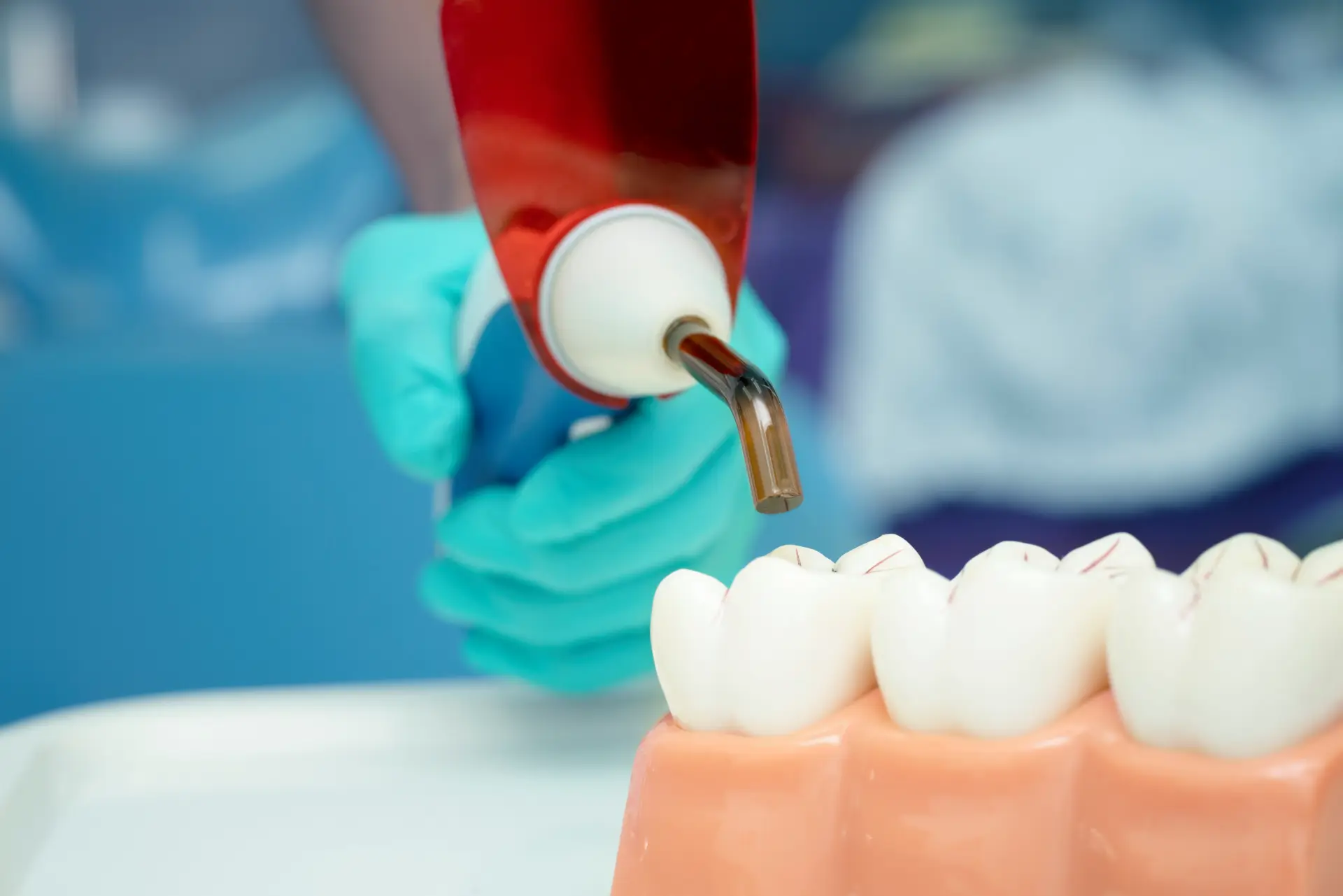
To dominujący dziś wybór. Plomba kompozytowa ma kolor zbliżony do zęba. W dodatku materiał żywiczny wzmocniony jest wypełniaczami ceramicznymi lub nanocząstkami.
Zalety: estetyka, możliwość precyzyjnego odbudowania kształtu zęba, wiązanie chemiczne z zębiną i szkliwem.
Wady: wymaga techniki pracy, może mieć mniejszą trwałość niż niektóre metale w bardzo dużych ubytkach, wrażliwy na wilgoć podczas wykonywania.
3. Cementy szkłojonomerowe i modyfikowane (GIC, RMGIC)
Materiały, które łączą właściwości adhezyjne i uwalnianie fluoru. Często stosowane w zębach mniej obciążonych lub w miejscach wymagających ochrony przed próchnicą.
Zalety: wydzielanie fluoru, dobra przyczepność do tkanek zęba, mniej wymagające warunki.
Wady: mniejsza wytrzymałość mechaniczna, gorsza estetyka niż kompozyty, ograniczenia w dużych wypełnieniach.
4. Porcelana / ceramika / inlayonlay
Rozwiązania bardziej zaawansowane — pośrednie wypełnienia lub odbudowy wykonane w laboratorium, w przypadku dużych ubytków lub estetyki najwyższej klasy.
Zalety: bardzo dobra estetyka, trwałość, odporność na przebarwienia.
Wady: wyższy koszt, wymagana wizyta w laboratorium i czas oczekiwania.
Jak dobrać właściwe wypełnienie?
Zwróć uwagę na takie aspekty jak:
- rozmiar ubytku i lokalizacja – duże ubytki w zębach trzonowych mogą wymagać materiałów o wyższej wytrzymałości (np. amalgamat, ceramika);
- estetyka – dla zębów przednich rekomendowane są kompozyty lub ceramika;
- budżet i preferencje klienta – część pacjentów wybiera materiały niższej ceny, inni stawiają na maksymalną estetykę;
- stan jamy ustnej – wysoki poziom próchnicy, obecność wilgoci czy trudny do osiągnięcia dostęp może ograniczyć wybór materiału;
- długoterminowa perspektywa – niektóre materiały prezentują lepszą trwałość i mniejsze ryzyko ponownego leczenia.
Pielęgnacja zębów z plombami — co warto wiedzieć?
Posiadanie wypełnienia oznacza, że ząb był uszkodzony – to nie znaczy, że problem został na zawsze zażegnany. Właściwa higiena i regularna kontrola stomatologiczna są teraz jeszcze ważniejsze.
- Używaj szczoteczki o miękkich lub średnich włóknach – kompozyty i ceramika reagują inaczej niż naturalna struktura zęba na mikrouszkodzenia.
- Codziennie stosuj nici dentystyczne lub szczoteczki międzyzębowe – miejsca styku plomba/ząb są potencjalnym miejscem dla bakterii.
- Unikaj nadmiernego obciążenia – np. gryzienia twardych przedmiotów: choć wypełnienie może być trwałe, sam ząb może być osłabiony.
- Regularnie odwiedzaj stomatologa – kontrola pozwala wykryć niewielkie nieszczelności lub mikropęknięcia zanim staną się poważnym problemem.
- Zwróć uwagę na dietę – produkty kwaśne, słodkie czy barwiące mogą przyspieszyć zużycie materiałów wypełnień i szkliwa wokół nich.
Opinia eksperta
– Dobór właściwego materiału wypełnienia to dopiero połowa sukcesu. Równie ważne jest, by po jego założeniu pacjent dbał o ząb jak o naturalny — ponieważ każdy wypełniony ząb ma swoje specyficzne warunki pracy i wymaga świadomej pielęgnacji – mówi Karolina Gut – miłośniczka zdrowego i estetycznego uśmiechu, ekspertka Denthelp.
FAQ – najczęstsze pytania
Czy każda plomba musi być wymieniana po kilku latach?
Nie każda. Trwałość wypełnienia zależy od materiału, wielkości ubytku, miejsca w jamie ustnej i higieny pacjenta. Jeżeli nie ma mikropęknięć, przecieków czy próchnicy wokół plomby — może być użytkowana wiele lat.
Czy plomby kompozytowe są lepsze niż amalgamatowe tylko ze względu na kolor?
Kolor to tylko jeden z czynników. Kompozyty oferują lepszą estetykę i wiązanie z zębiną, natomiast amalgamat może być korzystniejszy w bardzo dużych ubytkach w zębach trzonowych z uwagi na trwałość i koszt. Wybór materiału należy zawsze skonsultować ze stomatologiem.
Czy muszę stosować specjalną szczoteczkę dla zębów z plombami?
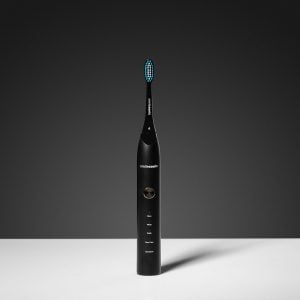
Nie jest to konieczne, ale wskazane jest używanie szczoteczki dobrej jakości (np. sonicznej lub elektrycznej) z końcówką dostosowaną do warunków jamy ustnej. Właściwa technika i regularność są ważniejsze niż sama specjalna szczoteczka.