

In brief:
Interdental caries develops in the spaces that a regular toothbrush cannot reach. Poor hygiene in these areas can lead to serious cavities and even root canal treatment. To prevent it, regular cleaning of interdental spaces using dental floss, oral irrigators, and interdental brushes is essential.
What is interdental caries?
Interdental caries (also called approximal caries) is a cavity that forms between two adjacent teeth. It is one of the hardest types of decay to detect—it develops “silently” and often shows no symptoms until it reaches the dental pulp. Treatment is more complex than for surface cavities, as it requires greater precision and often diagnostic X-rays.
What are the causes?
The main cause of interdental caries is insufficient hygiene—specifically, neglecting interdental spaces. Food debris, bacteria, and plaque accumulate in these areas and are not removed by a regular toothbrush. The risk increases with a high-sugar diet and when saliva cannot effectively neutralize acids.
What symptoms may indicate a problem?
In its early stages, interdental caries may not cause any symptoms. Sometimes there is sensitivity to cold, pain when biting, or bad breath. In advanced stages, it can lead to significant enamel damage and require root canal treatment. It is often detected accidentally during a dental check-up or X-ray.
How to effectively care for interdental spaces?
Proper cleaning of interdental spaces is key to preventing caries:
- Dental floss – the basic tool for removing food debris from areas a toothbrush cannot reach
- Interdental brushes – useful for people with larger spaces or after orthodontic treatment
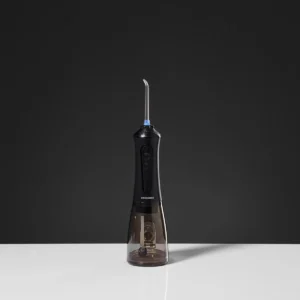
- Oral irrigator – effectively flushes out debris and bacteria, especially helpful with braces and bridges
Is a sonic toothbrush enough?
A sonic toothbrush, such as Smilesonic EX or Smilesonic UP, is highly effective on tooth surfaces and along the gumline. Its sound waves help clean hard-to-reach areas, but they do not replace flossing or irrigation. The best results come from combining these methods.
How often should you visit the dentist?
Prevention is not just about daily hygiene. It is recommended to have a dental check-up every 6 months, even if there are no symptoms. Regular examinations and X-rays help detect cavities between teeth before they become serious.
Summary
Interdental caries is a common problem caused by neglecting daily hygiene. Flossing, irrigation, and using a sonic toothbrush should form the foundation of home prevention. Combined with regular dental visits, they help avoid costly and painful treatment.
FAQ – frequently asked questions about interdental caries
Can interdental caries develop even if I brush my teeth daily?
Yes—brushing alone may not remove food debris and plaque from tight spaces between teeth. That’s why daily interdental cleaning with floss, an irrigator, or interdental brushes is essential.
What symptoms may indicate interdental caries?
Common symptoms include pain when biting, sensitivity to cold or sweet foods, and dark discoloration between teeth. In early stages, it may cause no symptoms at all—hence the importance of regular dental check-ups.
What tools help prevent interdental caries?
An oral irrigator helps flush out debris from hard-to-reach areas, while sonic toothbrushes clean more effectively than manual ones. Dental floss and interdental brushes are also important additions, chosen based on tooth spacing.
Does interdental caries require root canal treatment?
Not always—if detected early, it can be treated conservatively by removing the affected tissue and filling the cavity. Advanced cases that reach the pulp may require root canal treatment.
How often should interdental spaces be cleaned?
Daily—preferably in the evening after the last meal. Regular removal of plaque and food debris significantly reduces the risk of caries and inflammation.