
In brief:
Bite raising is a specialized dental procedure aimed at restoring the proper vertical dimension of occlusion that has been compromised, for example, by tooth wear, bruxism, or long-term neglect. It improves chewing function, facial aesthetics, and can help prevent further damage to the temporomandibular joint. After treatment, proper oral hygiene and the use of appropriate dental care tools are essential.
What does bite raising involve?
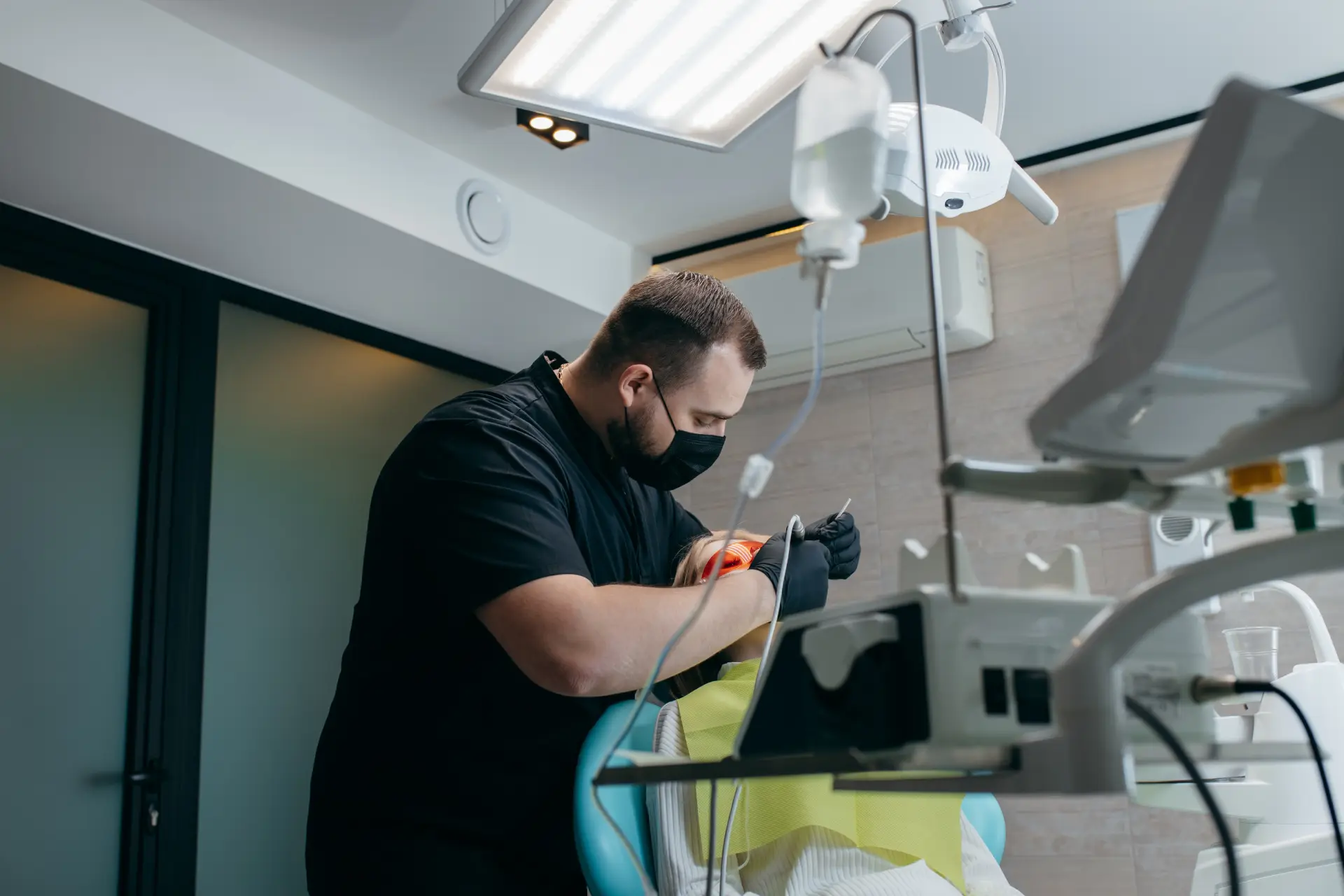
Bite raising (also known as occlusal reconstruction) is the process of rebuilding the lost height of teeth—most often due to excessive enamel wear, erosion, or occlusal disorders. It involves using composite fillings, veneers, crowns, or temporary overlays to restore the original bite height.
In some cases, treatment is preceded by a diagnostic phase using relaxation splints and prosthetic mock-ups.
When is bite raising performed?
This procedure is recommended for patients with:
- significant tooth wear (mechanical or chemical),
- bruxism,
- tooth displacement and orthodontic issues causing occlusal imbalance,
- pain in the chewing muscles and temporomandibular joint,
- reduced facial aesthetics (e.g., sunken lips),
- the need for comprehensive prosthetic reconstruction.
Oral hygiene after bite raising
After the procedure, proper oral hygiene is crucial. Gentle but thorough brushing helps prevent inflammation, plaque buildup, and bacterial accumulation around new restorations.
It’s recommended to:
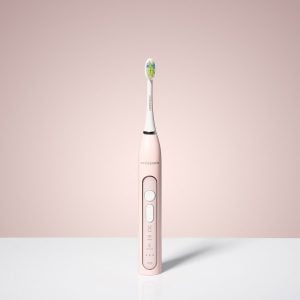
- use sonic toothbrushes for precise cleaning, even in hard-to-reach areas, without irritating the gums,
- complement daily care with oral irrigators, which effectively remove food debris from under crowns, overlays, or reconstructed surfaces, reducing the risk of secondary decay.
It’s also important to:
- attend regular check-ups and professional cleanings to maintain the results.
- avoid very hard or sticky foods for several days,
- follow your dentist’s instructions carefully,
Recommended hygiene products after the procedure
After bite raising, it’s advisable to use:
- a sonic toothbrush with soft bristles and multiple modes (e.g., models like Smilesonic EX or Smilesonic UP),
- an oral irrigator to clean difficult areas and prevent gum inflammation,
- alcohol-free mouthwashes to soothe tissues and protect new restorations,
- soft dental floss or interdental brushes selected individually by a hygienist.
Is bite raising painful?
Bite raising is generally a painless procedure performed under local anesthesia, so patients do not feel discomfort during treatment.
After the anesthesia wears off, temporary symptoms may occur, such as:
- tooth sensitivity,
- a feeling of a “foreign body” in the mouth,
- mild jaw muscle soreness (especially if the change was significant).
These are natural responses as the body adapts to the new bite height. Symptoms usually subside within a few days and can be managed with mild pain relievers. If discomfort persists, a follow-up visit is recommended for adjustment or evaluation.
Scientific source
More information on occlusal treatment can be found in: “The Vertical Dimension of Occlusion: To Raise or Not to Raise?”, SunText Review of Dental Sciences, 2023.
FAQ – frequently asked questions
Is bite raising permanent?
Yes, provided it is done correctly and the patient maintains good oral hygiene and regular check-ups. The results can last for many years.
Do I need to change how I brush after the procedure?
Yes, using gentle sonic toothbrushes and irrigators is recommended. The new tooth surfaces may require slightly adjusted brushing techniques.
How long does occlusal reconstruction take?
Depending on the complexity, from a few weeks to several months. It often begins with a trial phase using temporary overlays.
Can everyone undergo bite raising?
No. A thorough diagnosis is required beforehand. The procedure may be contraindicated in patients with active periodontal disease or untreated tooth decay.