
In short:
Yes, diet has a direct impact on gum health. Proper nutrients support gum resistance, regeneration, and help prevent inflammation, while processed foods low in vitamins can worsen periodontal problems. In this article, we explain how to compose meals that truly support healthy gums.
Healthy gums start on your plate
KoThe condition of your gums depends on many factors: hygiene, genetics, lifestyle—but one of the key elements, often overlooked, is diet. Gums, as active soft tissue, are sensitive to nutrient deficiencies, dehydration, and weakened immunity.
Poor dietary habits may lead to:
- bleeding during brushing
- irritation and redness
- slower healing
- inflammation and periodontal diseases (e.g., periodontitis)
- imbalance of the oral microbiome
On the other hand, a well-balanced diet can not only improve overall health but also act preventively by strengthening periodontal tissues and limiting the growth of harmful bacteria.
What to eat to support gum health?
Here are the key nutrients and their role in oral health:
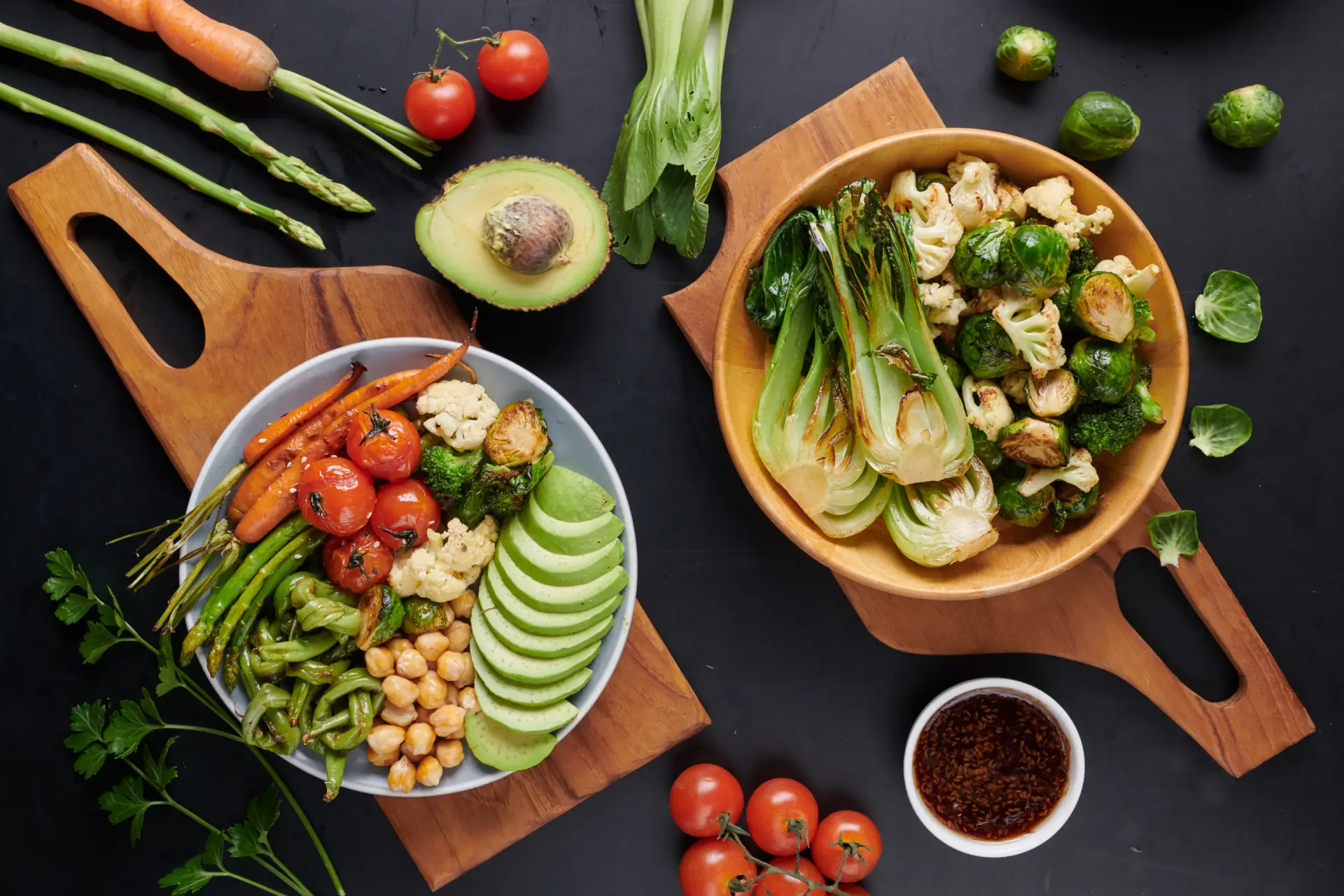
- Vitamin C
Not only supports the immune system but also strengthens blood vessels in the gums and accelerates healing.
Sources: peppers, parsley, kiwi, oranges, strawberries, blackcurrants
- Vitamin D
Regulates calcium and phosphorus levels, affects bone density, and supports gum immunity. Deficiency is linked to periodontal disease.
Sources: fatty fish (salmon, mackerel), eggs, milk, sun exposure
- Vitamin A
Supports regeneration of mucous membranes and maintains a healthy protective epithelial barrier in the gums.
Sources: carrots, sweet potatoes, spinach, pumpkin, apricots
- B vitamins (especially B2, B3, B9)
Support proper blood supply to soft tissues and healing of inflammation.
Sources: whole grains, beans, broccoli, nuts, yeast
- Zinc
Has anti-inflammatory and antibacterial effects and supports tissue regeneration in the oral cavity.
Sources: pumpkin seeds, red meat, eggs, nuts
- Coenzyme Q10
Supports cellular metabolism in the gums and slows periodontal tissue degradation.
Sources: fatty fish, broccoli, spinach, organ meats, supplements
What to avoid for healthy gums?
Just as important as what we eat is what we avoid. For healthy gums, it is worth limiting:
- simple sugars and sweets – accelerate bacterial growth in dental plaque
- sugary drinks and energy drinks – contain acids and sugars that irritate gums
- alcohol and excessive caffeine – dry out the mucosa and reduce natural protection
- snacks like chips, sticks, crackers – mechanically irritate gums and leave residues
- nutrient-poor, low-fiber foods – slow down tissue regeneration
What else can you do?
To support your gums:
- drink plenty of water – promotes saliva production and washes away food debris
- chew raw vegetables – improve circulation and mechanically clean gums
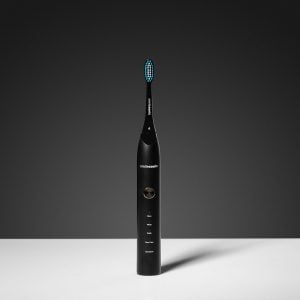
- use a sonic toothbrush with soft bristles, e.g. Smilesonic – gently massages gums
- avoid prolonged exposure to acidic foods (citrus, vinegar), which may weaken enamel and irritate gums
Summary
Diet has a real impact on gum health—it can support the body’s natural defense mechanisms or, in the case of poor nutrition, weaken them. A properly balanced diet rich in vitamins, minerals, and antioxidants is one of the simplest ways to care for your smile every day—not only externally, but also from within.
FAQ – Frequently Asked Questions About Diet and Gum Health
Does diet really affect gum health?
Yes. Diet directly influences gum condition. Proper intake of vitamins and minerals supports immunity, tissue regeneration, and reduces inflammation risk.
Which vitamins are most important for healthy gums?
Vitamins C, D, A, and B-complex are key. They strengthen blood vessels and support healing and regeneration of gum tissues.
What should I avoid to protect my gums?
Avoid simple sugars, processed foods, alcohol, and excess caffeine. They can increase inflammation, weaken immunity, and irritate mucous membranes.
Does drinking water affect oral health?
Yes. Water supports saliva production, washes away food particles, and helps maintain a balanced oral microbiome, protecting gums from irritation.
Can diet help treat gum inflammation?
Yes, diet can support treatment. Nutrients with anti-inflammatory and regenerative properties (like vitamin C and zinc) complement dental therapy.
Can hard foods damage gums?
Yes, some hard snacks (chips, crackers) can irritate gums mechanically and cause micro-injuries. Careful chewing is recommended.