
In short:
Self-ligating braces are a modern alternative to traditional orthodontic brackets, but despite their simplified design, they still require careful oral hygiene. Thanks to the absence of ligatures (elastic bands), cleaning your teeth can be somewhat easier than with conventional systems. However, there is still a high risk of plaque buildup and food debris accumulation. Below, we explain how to properly care for your teeth during orthodontic treatment with this type of appliance and which products are worth using.
What are self-ligating braces?
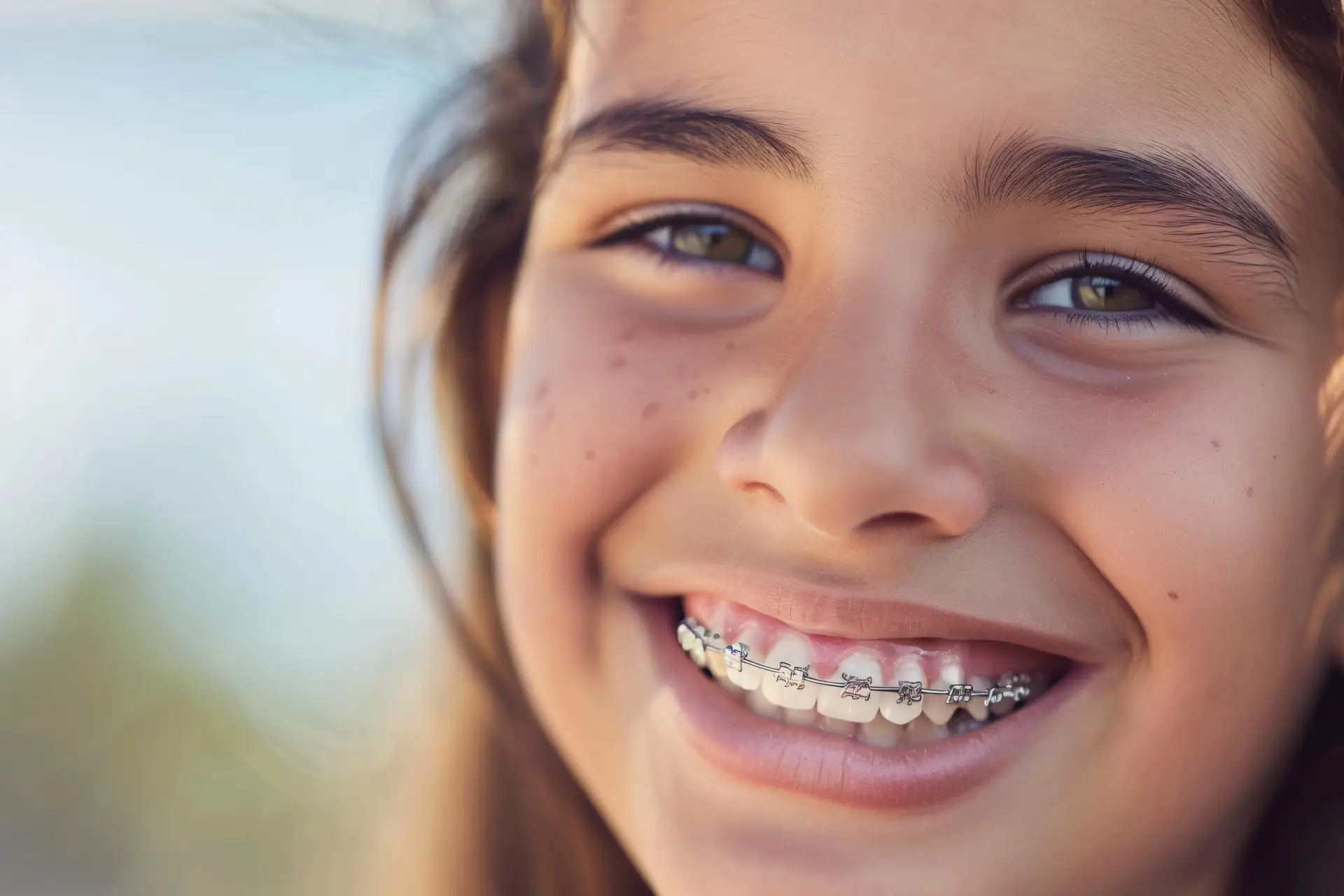
This is one of the most commonly chosen types of next-generation fixed braces. Unlike traditional systems, they do not require ligatures (elastic bands) to hold the archwire in place. Instead, the brackets are equipped with special clips or sliding mechanisms that secure the wire.
As a result, the appliance looks more aesthetic, is less visible, and potentially more hygienic. The self-ligating mechanism reduces friction and may shorten treatment time, while also decreasing the number of elements where plaque can accumulate. But does that mean you no longer need to take such careful care of your teeth? Absolutely not.
Why is hygiene still a challenge with braces?
Even the most advanced orthodontic appliance is still a foreign object in the mouth, where food particles and bacteria can easily accumulate. Although self-ligating braces eliminate elastic ligatures (which tend to discolor and trap plaque), cleaning around brackets, wires, and gums still requires precision.
The most common problems reported by patients during orthodontic treatment include:
- Red, swollen gums
- Bleeding during brushing
- Tartar buildup around brackets
- Bad breath
- Discoloration or demineralization of enamel after braces removal
As shown in a study published in Clinical Oral Investigations, both self-ligating and traditional braces can lead to bacterial accumulation in gingival pockets, increasing the risk of inflammation:
“Self-ligating brackets show high levels of periodontal pathogens in gingival crevicular fluid,” the publication notes.
What should be included in your daily hygiene routine?
To maintain oral health throughout orthodontic treatment, it’s worth equipping yourself with a few essential tools:
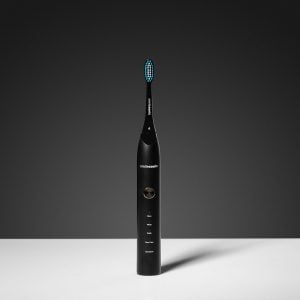
- Sonic toothbrush with an orthodontic tip – e.g., devices like Smilesonic EX or Smilesonic UP, which effectively remove plaque without damaging brackets; vibrations help clean areas between the appliance and teeth
- Oral irrigator – e.g., Smilesonic AquaFlow – a pressurized water stream flushes out food debris from hard-to-reach areas, including under the archwire
- Interdental brushes – help clean spaces between brackets, especially in the back teeth
- Dental floss with a stiffened end or orthodontic flossers – allow precise cleaning along the gumline and under the archwire
- Mouthwash – preferably alcohol-free and containing fluoride – helps reduce inflammation and supports enamel remineralization
Orthodontic care kits containing all these products are available in stores like Denthelp, offering a convenient way to maintain comprehensive hygiene.ające wszystkie te produkty – to wygodne rozwiązanie, które ułatwia zachowanie kompleksowej higieny.
Summary
Although self-ligating braces may be slightly easier to maintain than traditional systems, they require the same level of attention and care when it comes to oral hygiene. The key to success is consistency, proper tools, and awareness of the risks associated with inadequate cleaning. Regular dental check-ups and the use of devices such as irrigators and sonic toothbrushes significantly help maintain healthy teeth and gums throughout treatment.
FAQ – Frequently Asked Questions
Are self-ligating braces easier to clean?
Yes, because the absence of elastic bands improves access to brackets and reduces areas where debris can accumulate. However, thorough hygiene remains essential for healthy teeth and gums.
What devices help with cleaning braces?
The most effective tools are sonic toothbrushes with orthodontic tips, water irrigators, and specialized floss. They help reach areas that a regular toothbrush cannot.
Can you use a regular manual toothbrush with braces?
Yes, but it does not provide as thorough cleaning around brackets as sonic toothbrushes. It’s worth considering dedicated orthodontic brushes.
How often should you use an irrigator with braces?
Ideally after every major meal, to flush out trapped food debris. Regular use reduces the risk of gum inflammation and cavities.
Do self-ligating braces shorten treatment time?
Often yes, as they reduce friction and allow more efficient tooth movement. However, the total treatment time depends on the individual diagnosis and orthodontic plan.